Have Hybrid Energy Systems Exposed the Limits of Carbon Accounting in African Mining?
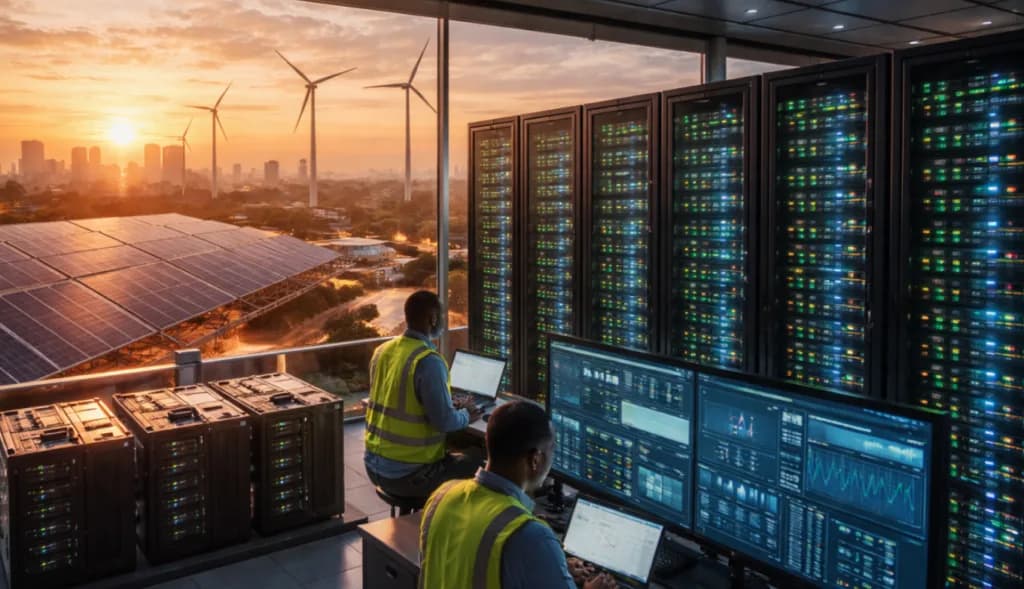
Hybrid energy systems have become a defining feature of modern mining operations across Africa. Faced with unreliable grids, high diesel costs, and pressure to reduce emissions, mines increasingly rely on combinations of solar power, battery storage, diesel generators and, where possible, grid electricity. While these systems have delivered clear operational and environmental benefits, they have
Have Hybrid Energy Systems Exposed the Limits of Carbon Accounting in African Mining?
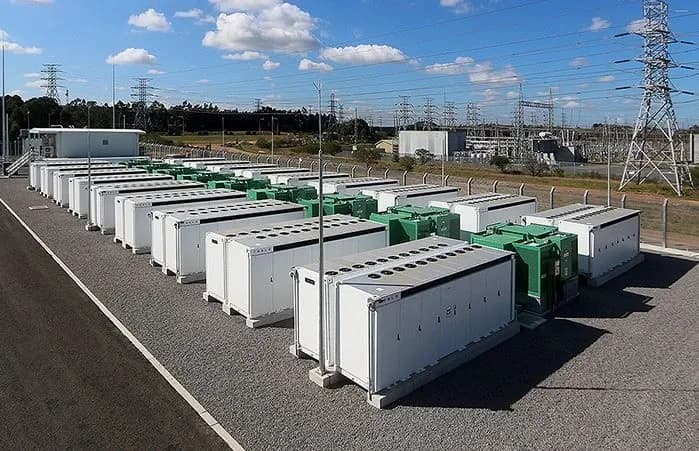
Hybrid energy systems have become a defining feature of modern mining operations across Africa. Faced with unreliable grids, high diesel costs, and pressure to reduce emissions, mines increasingly rely on combinations of solar power, battery storage, diesel generators and, where possible, grid electricity. While these systems have delivered clear operational and environmental benefits, they have also revealed a growing problem carbon accounting tools struggle to accurately reflect how African mines actually consume energy.
Carbon accounting tools and energy system assumptions
Most carbon accounting platforms were designed around relatively simple energy assumptions. They work best where power supply is stable, metered continuously, and sourced from a single utility with well-documented emission factors. African mining sites rarely fit this profile. Energy supply often changes multiple times a day as mines switch between solar, diesel and grid power depending on availability, cost and operational demand. Carbon tools that assume fixed energy inputs or static emission factors struggle to keep up with this variability.
Hybrid systems have made this mismatch more visible. Before hybrids, emissions calculations at many mines were crude but straightforward: diesel consumption was converted into emissions using standard factors, and grid electricity was treated as a uniform input. Hybridisation adds layers of complexity. Battery storage introduces losses that are rarely accounted for properly. Solar generation may offset diesel use during the day but not at night. Grid power may be available intermittently, with an emissions profile that differs significantly from national averages. Many tools cannot model these dynamics without extensive manual intervention.
Data collection and reporting constraints
Data collection presents another challenge. Carbon accounting software often assumes real-time data feeds from smart meters and centralised energy management systems. In practice, many African mines still rely on manual meter readings, paper logs or delayed data uploads due to connectivity constraints. Hybrid systems increase the number of data points that need to be tracked, amplifying the risk of gaps, estimates and inconsistencies. The result is carbon reporting that appears precise on dashboards but is built on approximations that are rarely visible to external audiences.
Scope classification further complicates matters. Standard distinctions between direct emissions and purchased electricity become blurred at off-grid or mini-grid operations, where mines may generate some power internally while buying or sharing power within a local network. Carbon tools designed for clear-cut ownership boundaries often force these realities into rigid categories, producing results that are technically compliant but operationally misleading.
Implications for emissions reporting accuracy
Importantly, hybrid energy systems are not the problem. They have reduced fuel consumption, lowered costs and cut emissions at many African mines. The issue is that their adoption has outpaced the ability of carbon accounting tools to reflect local operating conditions. In some cases, reported emissions have become less credible even as actual performance has improved, undermining trust in both internal decision-making and external disclosures.
This gap has bigger implications. As regulators, lenders and customers place greater weight on emissions data, inaccurate or poorly contextualised reporting can expose mines to reputational and compliance risks. It can also distort comparisons between operations, penalising sites that operate in more complex energy environments.
Hybrid energy systems have not improved carbon accounting tools by default. Instead, they have exposed the limits of tools built for different realities. Addressing this will require carbon accounting approaches that can handle variable energy mixes, intermittent data and locally appropriate emission factors. Until then, carbon reporting will continue to struggle to fully account for the complexity of hybrid power systems used at African mining operations.