HPE Spaceborne Computer-2 Returns to the International Space Station
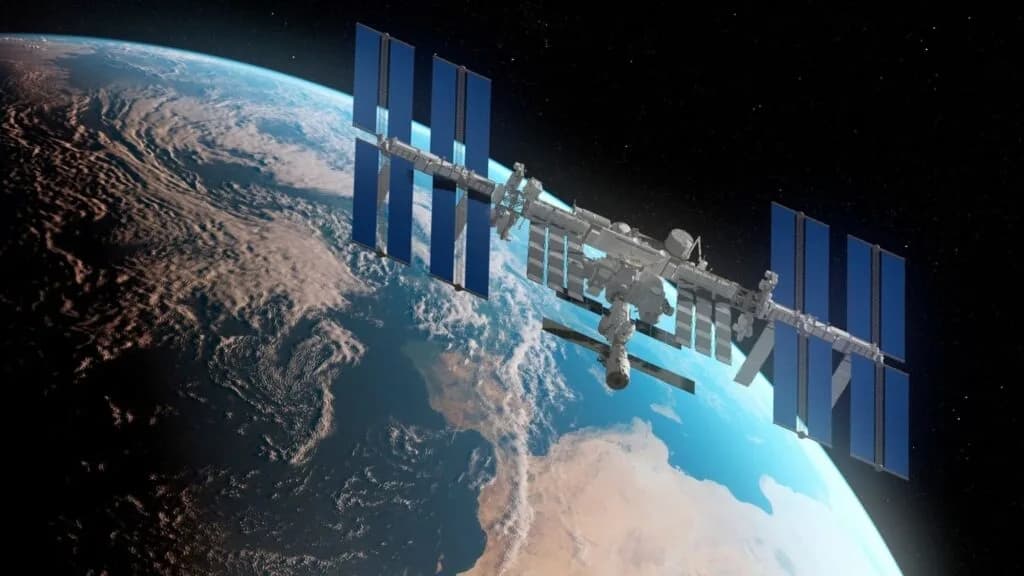
Hewlett Packard Enterprise (NYSE: HPE) announced it has sent a third iteration of the HPE Spaceborne Computer, built from commercial off-the-shelf (COTS) servers, to the International Space Station (ISS) via a Northrop Grumman Commercial Resupply Services mission, contracted by NASA, aboard a SpaceX Falcon 9 rocket. The goal of HPE Spaceborne Computer-2’s latest trip is
HPE-Spaceborne-Computer-2-Returns-to-the-International-Space-Station
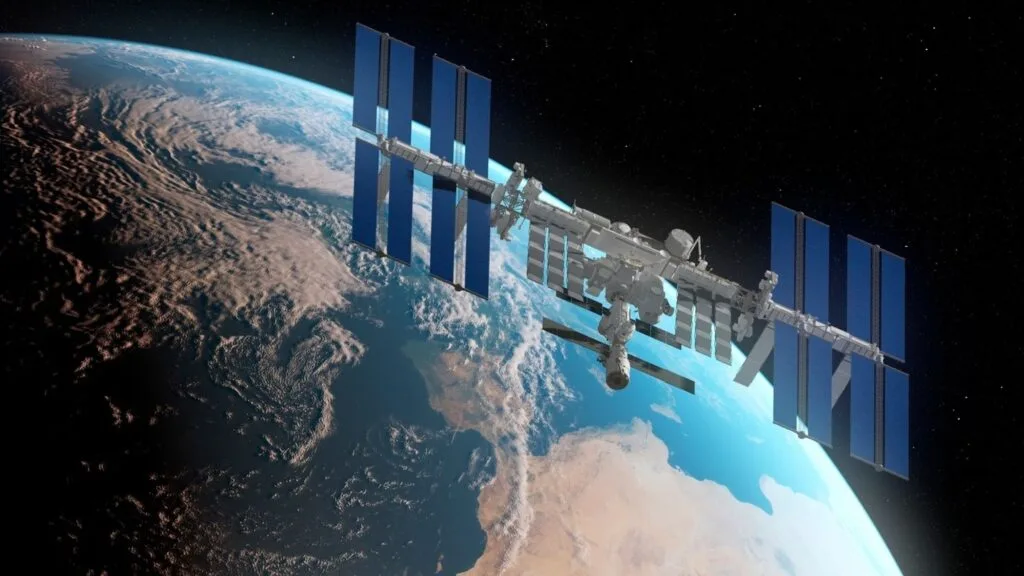
Hewlett Packard Enterprise (NYSE: HPE) announced it has sent a third iteration of the HPE Spaceborne Computer, built from commercial off-the-shelf (COTS) servers, to the International Space Station (ISS) via a Northrop Grumman Commercial Resupply Services mission, contracted by NASA, aboard a SpaceX Falcon 9 rocket.
The goal of HPE Spaceborne Computer-2’s latest trip is to build upon the system’s previous success while expanding the scope and complexity of data center-level processing and high performance computing (HPC) that can be done in space, including artificial intelligence (AI) and machine learning (ML) workloads. This configuration of the award-winningi HPE Spaceborne Computer, based on HPE Edgeline and ProLiant servers, has been updated with over 130 TB of flash-based storage from KIOXIA, the most storage to ever travel to the space station on a single mission. This includes four KIOXIA 960 GB RM Series Value SAS, eight 1,024 GB XG Series NVMe and four 30.72 TB PM6 Enterprise SAS SSDs. The additional flash memory storage will make it possible to run new types of applications and conduct research using larger data setsii through the ISS National Laboratory.
Improvements to HPE Spaceborne Computer-2 also include an updated operating system, NASA space flight support software and new system security. Once on board the space station, the health and status of these technologies will be monitored daily to assess the performance in the harsh conditions of space.
Advancing research on Earth and in space
After installation of HPE Spaceborne Computer-2 is completed on the space station, the system will be used by researchers to advance innovation and save time. Traditionally, data gathered in space was collected aboard the research outpost and sent to Earth for processing. An onboard supercomputer enables data to be evaluated in low Earth orbit in near-real time, making it possible to achieve a 30,000
times reduction in download sizeiii by only transmitting the data output, or insight, to Earth instead, therefore drastically reducing download times.
Research slated for HPE Spaceborne Computer-2 includes a federated learning (FL) experiment that will independently train ML models and inference engines that were originally created on the Cloud. The experiment will be collaborated on and operated by cloud service providers with the dual-intent to contribute to ML training models used on Earth and maintain an up-to-date AI inference engine in space.
HPE will once again invite the public to submit proposals to perform experiments on the HPE Spaceborne Computer-2 through the ISS National Laboratory. Additional information about submitting proposals can be found here.
Additional Resources · ISS National Lab-Sponsored Experiments Propel Spaceborne Computer Toward New Frontiers in Space Computing · HPE Spaceborne Computer program: The incredible journey of a computer at the farthest edge · KIOXIA Joins Hewlett Packard Enterprise Servers on Space Launch Destined for the International Space Station