GTCO takes on fintechs with 200,000 PoS terminals
Guaranty Trust Holding Company is planning a major expansion of its merchant payments business through HabariPay, its fintech subsidiary, with plans to deploy 200,000 Point of Sale (PoS) terminals across Nigeria. The target, outlined in GTCO's 2025 annual report, comes after a strong year for HabariPay. The company processed ₦80.9 trillion ($59.04 billion) in payments
GTCO takes on fintechs with 200,000 PoS terminals
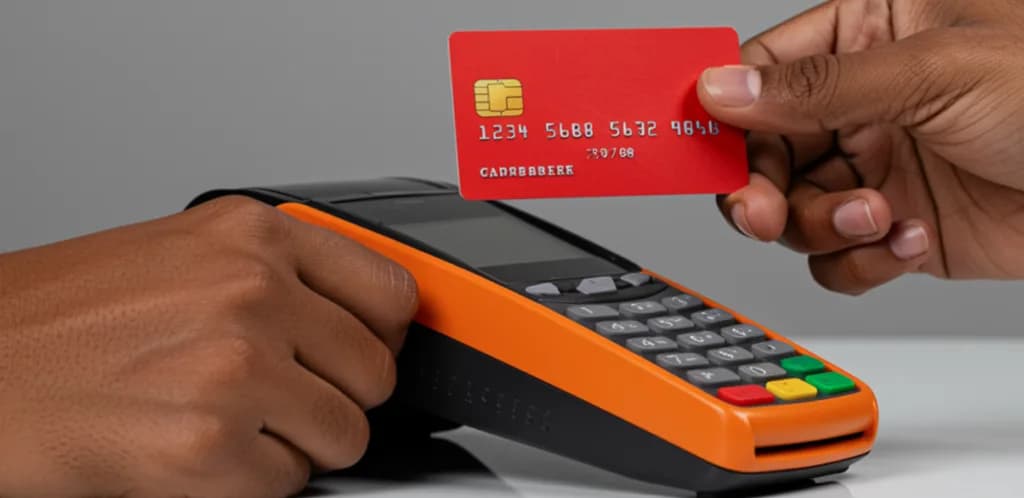
Guaranty Trust Holding Company is planning a major expansion of its merchant payments business through HabariPay, its fintech subsidiary, with plans to deploy 200,000 Point of Sale (PoS) terminals across Nigeria. The target, outlined in GTCO’s 2025 annual report, comes after a strong year for HabariPay. The company processed ₦80.9 trillion ($59.04 billion) in payments during 2025, almost three times the amount recorded the previous year. GTCO also wants the value of transactions processed through its PoS terminals to climb from ₦1.2 trillion ($875.79 million) in 2025 to ₦12 trillion ($8.76 billion) this year. The bank is entering a market that fintech companies have spent years building. Firms such as Moniepoint, OPay and PalmPay already operate extensive merchant networks, giving them a significant lead in PoS payments. “We aim to deploy 200,000 POS terminals nationwide, expanding last mile access and enabling financial inclusion for micro-businesses and SMEs,” GTCO said in its annual report. The group has not disclosed the size of HabariPay’s existing terminal network. It did, however, report that its PoS business processed 41.4 million transactions in 2025, with transaction value rising 168.3% to ₦1.2 trillion.
A market banks no longer want to ignore
The have banks concentrated on personal banking and large corporate clients while fintechs built payment businesses around merchants. That strategy has paid off. Every PoS terminal gives providers more than transaction revenue. It creates a relationship with business owners that can later support lending, savings, payroll and other financial services. According to the Nigeria Inter-Bank Settlement System, PoS terminals processed ₦10.51 trillion ($7.67 billion) during the first quarter of 2025. Nigeria had more than 5.9 million active terminals by the end of March that year. Moniepoint says it has over one million active terminals processing more than ₦10 trillion in payments every month. OPay also says more than one million businesses use its merchant services. Banks are now trying to establish similar networks through their fintech businesses rather than leaving that part of the market to independent payment companies. HabariPay wants to process ₦1 trillion ($729.83 million) in payments every month by signing up more SMEs, corporates, fintech platforms and institutions. If that target is reached, annual PoS transaction value would increase to ₦12 trillion.
HabariPay posts strong profits
HabariPay began as the Habari super app in 2018 before GTCO restructured it into a dedicated payments business four years later. Through its Squad platform, the company offers payment gateways, online payment tools and PoS services. The business generated ₦9.74 billion ($7.11 million) in profit after tax during 2025, making it one of the strongest performing fintech subsidiaries owned by a Nigerian bank. Elsewhere, Access Holdings said its fintech subsidiary, Hydrogen, processed 2.8 billion payment transactions worth ₦85.9 trillion ($62.69 billion) last year. The business also expanded its PoS acquiring services and digital invoicing platform but reported lower profit after tax than HabariPay.
Competing beyond pricing
GTBank has also changed how it prices its PoS service. In February 2025, the bank scrapped processing fees for merchants that process at least ₦7.5 million ($5,474) in monthly transactions. The decision reduces costs for larger merchants while helping the bank attract more businesses to its platform. HabariPay is also investing in fraud prevention, real time settlements and cybersecurity. Outside Nigeria, the company has expanded into Ghana and is exploring additional payment opportunities in West Africa. Even if HabariPay reaches its ₦12 trillion annual target, it will still trail companies such as Moniepoint in merchant payments. But the direction is clear. Banks are no longer leaving the merchant business to fintechs. They want a larger share of a market that has become one of the busiest parts of Nigeria’s digital payments industry.