Globacom users may not be able to make calls to MTN due to unpaid debts in the next 10 days
MTN Nigeria has reportedly received approval from the Nigerian Communications Commission (NCC) to partially disconnect subscribers on the Globacom network due to a lingering unpaid interconnection debt. This means that the telecoms company has approved to terminate the connection in days (18th January) except otherwise determined by the Commission. The NCC, through Reuben Muoka, its
Globacom-users-may-not-be-able-to-make-calls-to-MTN-due-to-unpaid-debts-in-the-next-10-days
MTN Nigeria has reportedly received approval from the Nigerian Communications Commission (NCC) to partially disconnect subscribers on the Globacom network due to a lingering unpaid interconnection debt. This means that the telecoms company has approved to terminate the connection in days (18th January) except otherwise determined by the Commission.
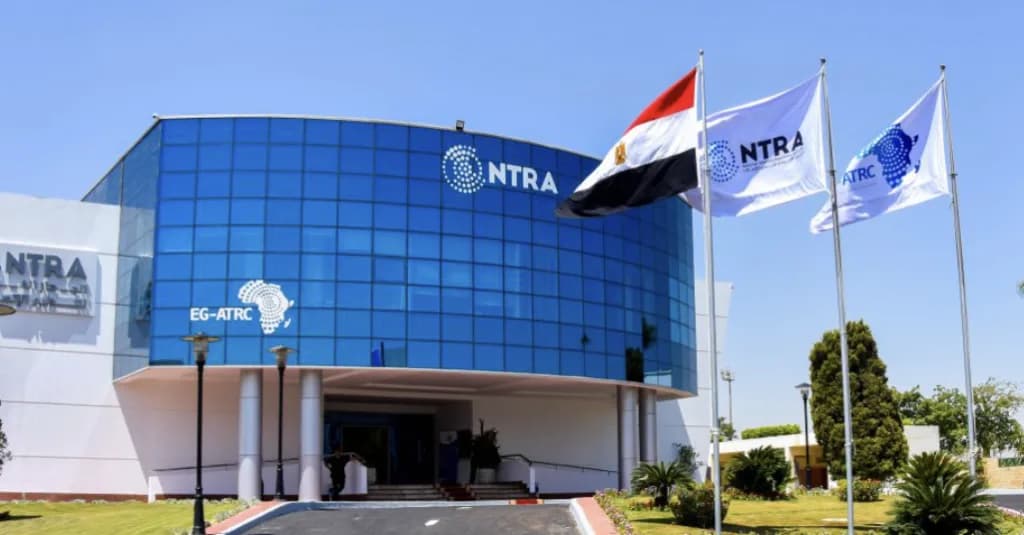
The NCC, through Reuben Muoka, its Director of Public Affairs, recently made an announcement in a document termed ‘Pre-Disconnection Notice’ that it had permitted MTN to partially disconnect Globacom due to unresolved debts. This decision has significant ramifications beyond just individual users, affecting the broader telecommunications sector in Nigeria.
As a result, Globacom customers will retain the ability to receive calls from MTN subscribers. However, they will be unable to initiate calls to MTN numbers after January 18, 2024. Nonetheless, incoming calls to Globacom will continue without interruption. The NCC authorized this partial disconnection under the provisions of the Nigerian Communications Act of 2003 and the 2012 Guidelines on Disconnecting Telecom Operators.
The NCC emphasized that this partial disconnection will persist until further notice. Before reaching this verdict, the commission granted Globacom an opportunity to respond to MTN’s claims of non-payment. After careful evaluation, the NCC determined that Globacom had no valid reason for its outstanding interconnectivity charges.
Recent data from the NCC reveals that Globacom, founded by Nigerian magnate Mike Adenuga and Bella Disu in 2003, boasts 61 million subscribers, making it Nigeria’s second-largest mobile operator with a 27.8% penetration rate. Notably, this isn’t the first instance where Glo subscribers faced such disruptions. In 2019, MTN had imposed a similar restriction on calls from Globacom for over five days, a move subsequently reversed after intervention by industry stakeholders.
In 2018, the NCC set interconnection rates and granted telecom operators the authority to disconnect defaulting counterparts with mounting debts. Capitalizing on this, MTN had previously limited communication for Globacom’s 4.6 million users. Moreover, the NCC had briefly suspended Globacom’s regulatory services in May 2023, which were reinstated once outstanding debts were settled.
In a separate incident underscoring financial disputes within the telecom sector, the Nigerian Civil Aviation Authority (NCAA) deactivated a Globacom-operated base station in Abuja due to a N5 billion debt. This action reflects the escalating tensions surrounding financial obligations among industry players.
The current partial disconnection underscores the intricate interdependencies between major telecom operators and raises concerns about the industry’s contractual stability. This scenario necessitates a comprehensive review of financial agreements and obligations among service providers.
This situation challenges the resilience of Nigeria’s telecom industry, highlighting the need for refined regulatory frameworks. Stakeholders, policymakers, and regulators must draw lessons from this episode to bolster the sector’s resilience and efficiency. Ultimately, the ongoing disputes and partial disconnections will significantly influence the future trajectory of telecommunications in Nigeria.