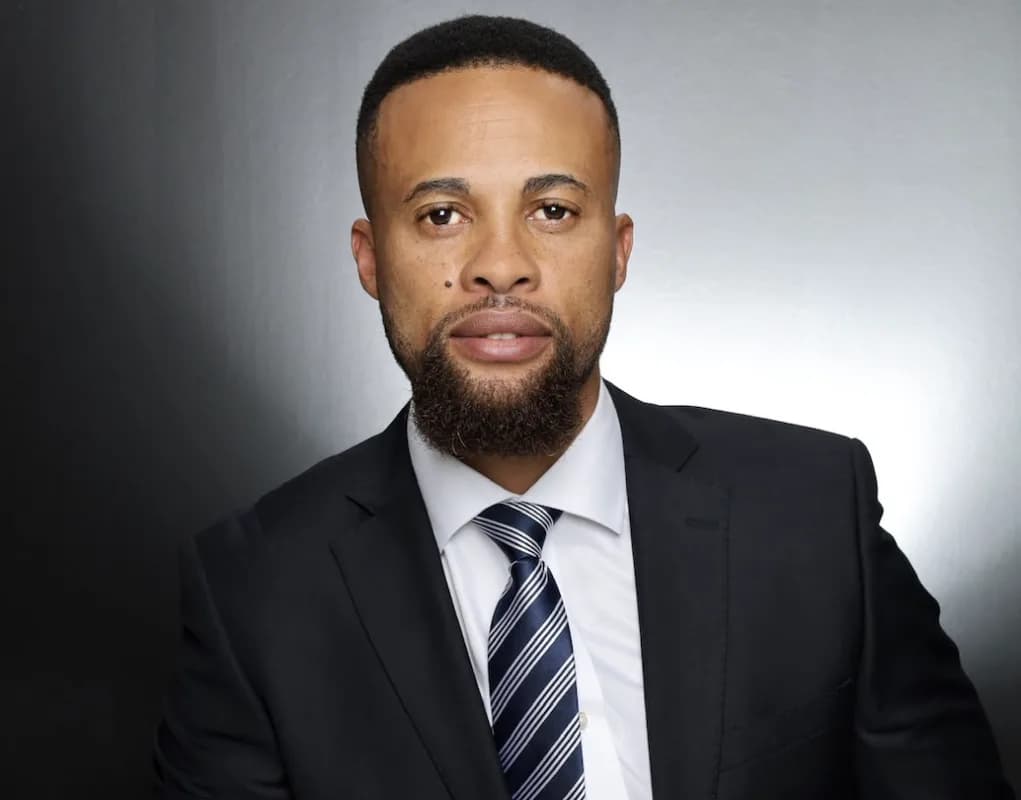
Founder Fridays: Ariel Robotics
From autonomous warehouse drones and non-invasive diabetes monitoring to AI-powered mobility technology for the visually impaired, Landile Mabele has built a portfolio of ventures around one guiding principle: technology should solve problems people live with every day. As founder of Ariel Robotics, the South African entrepreneur is developing AI-powered drone technology to help businesses automate
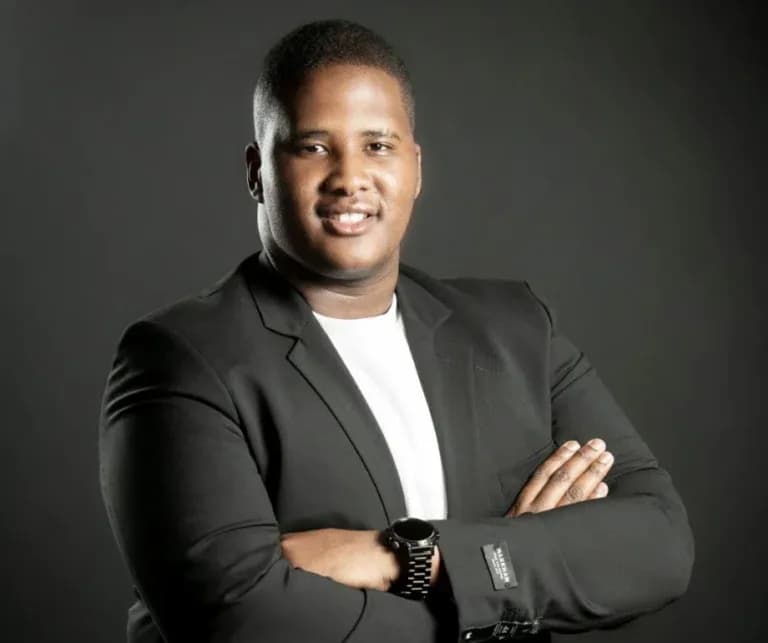
Founder Fridays: Ariel Robotics
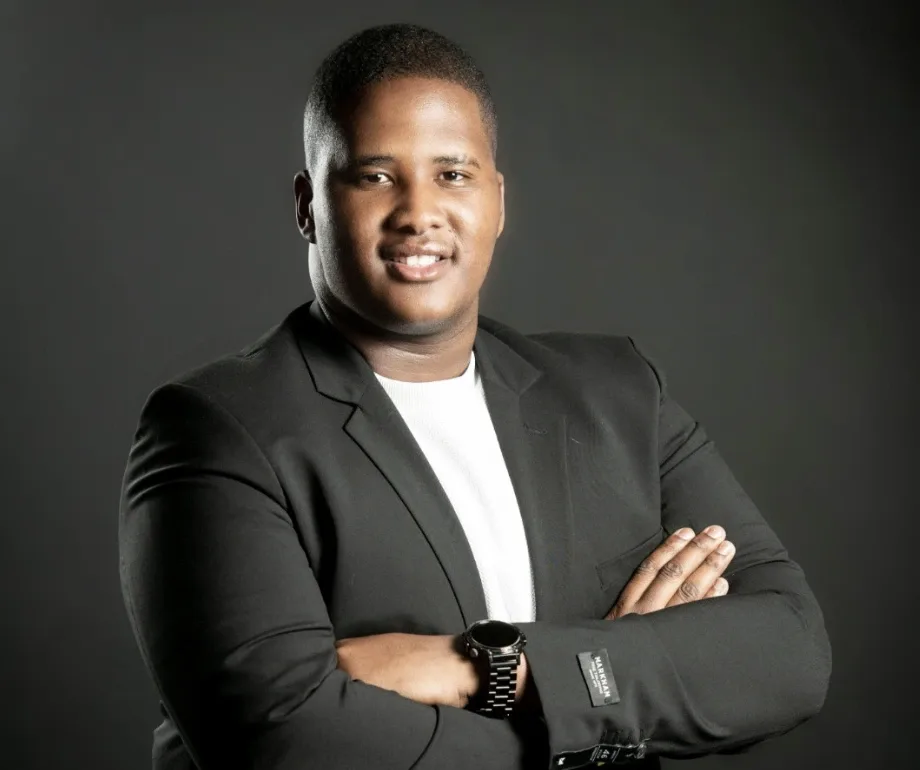
From autonomous warehouse drones and non-invasive diabetes monitoring to AI-powered mobility technology for the visually impaired, Landile Mabele has built a portfolio of ventures around one guiding principle: technology should solve problems people live with every day. As founder of Ariel Robotics, the South African entrepreneur is developing AI-powered drone technology to help businesses automate inventory management while continuing to pursue innovations in healthcare and accessibility.
For Landile, entrepreneurship has never been driven by a desire to build technology for its own sake. Instead, his ideas usually begin by observing how people work, identifying inefficiencies and asking whether there is a better way to solve them. That approach has led him into industries as diverse as robotics, healthcare and retail innovation, with each venture designed to tackle a practical challenge rather than follow the latest technology trend.
While Ariel Robotics is currently his primary focus, it represents one part of a broader vision to develop African technologies that improve the way people work and live.
Ariel Robotics
The idea behind Ariel Robotics emerged from a problem that many warehouses continue to experience despite growing investment in automation.
Inventory verification remains a time-consuming process in many operations. Employees often spend hours manually counting stock, scanning shelves and reconciling inventory records, slowing productivity and increasing the risk of errors. Although these processes have become standard practice across many businesses, Landile believed they could be improved.
That thinking led him to explore how autonomous drones and artificial intelligence could automate warehouse inventory management.
Instead of simply replacing manual processes, Ariel Robotics is developing technology that enables businesses to collect inventory data more efficiently while improving accuracy and reducing operational disruption. Autonomous drones can capture stock information and provide businesses with better visibility over their inventory without requiring lengthy manual stock counts.
For Landile, the technology is valuable because it solves a genuine business problem.
“I always start with the problem. Once you understand the problem properly, the technology becomes the solution.”
Building the Company
Turning an innovative idea into a sustainable business has presented a different set of challenges, he says.
Earning the confidence of customers, investors and industry partners has required just as much attention as developing the technology itself.
Since its launch, Ariel Robotics has concentrated on refining its technology while building the governance structures expected of businesses operating in industrial markets. He believes companies adopting new technologies want confidence in the people behind the innovation as much as they want confidence in the technology itself.
“You are selling yourself before you sell your solution.”
That lesson has influenced the company’s approach to growth. Rather than pursuing expansion as quickly as possible, Ariel Robotics has concentrated on refining its products, building partnerships and demonstrating its capabilities through pilot projects that allow customers to evaluate the technology in real operating environments.
Landile also believes compliance and sound governance are often underestimated by startups. Maintaining proper financial records, meeting regulatory requirements and building a business that is ready for investment have become important priorities alongside product development.
For founders hoping to attract funding, he believes those fundamentals can make the difference between generating interest and securing long-term investment.
Other Ventures
Although Ariel Robotics is currently his primary focus, robotics is not where Landile’s entrepreneurial journey began. Earlier in his career, he founded Navwok, a healthcare technology venture developing solutions that improve people’s quality of life. Among its projects is a non-invasive glucose monitoring device aimed at making blood sugar testing less intrusive and more accessible. The technology remains under development as it progresses through the medical certification process required before commercialisation. Through Navwok, Landile is also developing an AI-powered smart cane designed to assist visually impaired users by improving navigation and environmental awareness.
More recently, he has explored retail innovation through Yongla, a refill-based concept aimed at reducing packaging waste while helping consumers access household products more affordably.
Although each venture serves a different market, they all reflect the same way of thinking. Instead of searching for industries to enter, Landile identifies problems that affect people’s daily lives and explores how technology can address them.
Future Growth
As Ariel Robotics continues to develop, Landile is increasingly looking beyond South Africa’s borders.
Participation in programmes and engagements in countries including the United Arab Emirates, Rwanda and Morocco has provided opportunities to engage with entrepreneurs, businesses and innovation ecosystems working on similar industrial challenges, experiences that have reinforced his belief that African startups should develop products capable of competing internationally while remaining grounded in solving local problems. Landile believes that same thinking creates opportunities for robotics beyond warehousing, particularly in sectors such as mining, where autonomous aerial technologies can support infrastructure inspections, surveying, stockpile measurement, security and operational monitoring.
Mining is one sector that particularly interests him. From infrastructure inspections, surveying and stockpile measurement to security and operational monitoring, Landile believes autonomous aerial technologies have significant potential to improve efficiency in environments where safety, accuracy and productivity remain critical.
Rather than viewing robotics as a niche technology, he believes its applications will continue expanding as more industries embrace digital transformation and automation.
Advice for Founders
Asked what advice he would give aspiring entrepreneurs, Landile is quick to challenge one of the biggest misconceptions about building a business.
He believes entrepreneurship is far less glamorous than it often appears on social media and encourages aspiring founders not to wait until they have funding or perfect conditions before getting started.
Instead, he advises entrepreneurs to begin with whatever resources they have available, focus on solving a real problem and allow the business to grow from there.
“You just need to start it. You mustn’t be limited by money. You can literally start with what you have in order to get where you want to.”
Landile also believes entrepreneurs should focus on creating value before chasing perfection.
“Don’t chase perfection. Just chase that idea for it to exist. Once it exists, then we can make it perfect.”
For him, the first step is simply getting the idea off the ground. From there, founders can refine, improve and grow the business over time.
Read About Other FOUNDERS HERE