Founder Friday: Aions
For many entrepreneurs, success is measured by funding rounds, valuations and exits. For Mitchan Adams, co-founder of Ozow and founder of Aions Ventures, success is measured by something more enduring: building businesses that create jobs, unlock opportunity and strengthen South Africa’s entrepreneurial ecosystem. After helping scale Ozow from a startup idea into one of South
Founder Friday: Aions
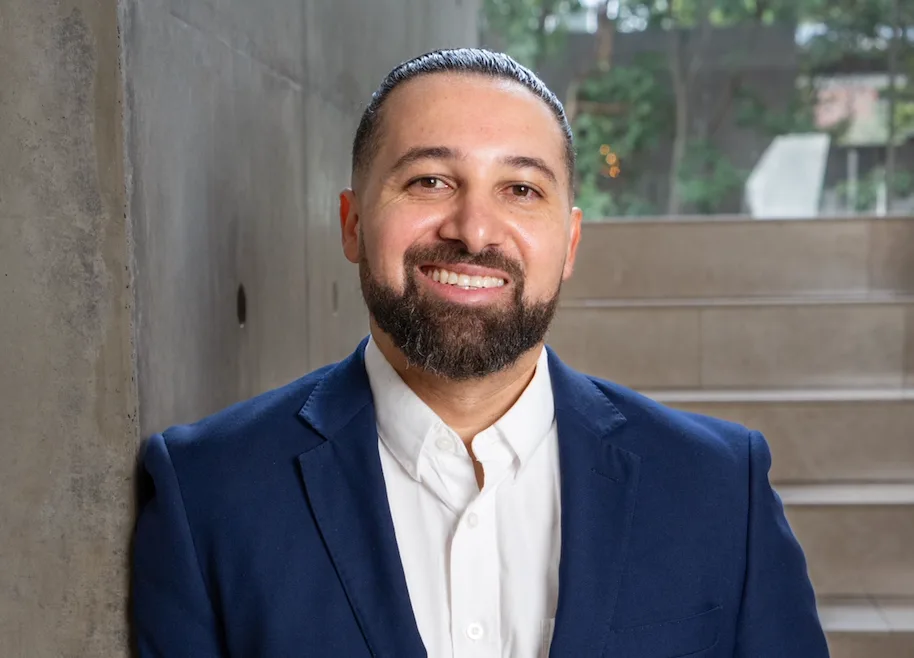
For many entrepreneurs, success is measured by funding rounds, valuations and exits. For Mitchan Adams, co-founder of Ozow and founder of Aions Ventures, success is measured by something more enduring: building businesses that create jobs, unlock opportunity and strengthen South Africa’s entrepreneurial ecosystem.
After helping scale Ozow from a startup idea into one of South Africa’s leading fintech companies, Mitchan reached a point where he recognised that the skills required to launch a business are often different from those needed to run a mature organisation. Rather than simply moving on to another venture, he chose to focus on helping entrepreneurs overcome the challenges that often prevent promising businesses from succeeding. Today, through Aions Ventures, he works with founders at the earliest stages of their journeys, combining funding, mentorship and practical support to help transform ideas into sustainable businesses.
Building Businesses Through People
One of the most important lessons Mitchan learned during the growth of Ozow was that businesses are ultimately built by people. While governance, systems and processes become increasingly important as a company grows, success still depends on having the right individuals in the right roles.
“Governance is very important. But more than anything, people build businesses,” he says.
Like many founders, Mitchan initially believed hard work and determination could solve most problems. Over time, however, he realised that growth depends on surrounding yourself with people you can trust and empowering them to take ownership. Yet hiring talented individuals alone is not enough.
“People don’t arrive with context,” he explains. “You have to help them understand why the business exists and what you’re trying to achieve.”
Without that shared understanding, even highly skilled employees can struggle to contribute effectively to the long-term goals of the organisation. For Mitchan, building a successful company means creating an environment where people understand not only their responsibilities, but also the mission behind the work.
Understanding Your Role as a Founder
Another lesson that emerged from Mitchan’s entrepreneurial journey was the importance of self-awareness. He believes many founders place unnecessary pressure on themselves by trying to fill every role within a business.
“Many founders think they have to be the CEO, the salesperson, the strategist and the operator all at once,” he says. “But every stage of a business requires different skills.”
Some entrepreneurs excel at identifying opportunities and launching businesses, while others are better suited to building systems, managing teams and scaling operations. Understanding where you add the most value is critical to sustainable growth.
That realisation played a significant role in his own career. As Ozow matured, Mitchan recognised that his greatest strength lay in building and creating rather than managing a larger corporate structure. Instead of holding onto a role that no longer aligned with his strengths, he began looking for a new challenge where he could make a greater impact.
Why Aions Was Created
Following his departure from Ozow’s daily operations, Mitchan found himself increasingly approached by entrepreneurs seeking advice and mentorship. While many possessed strong ideas and ambition, they often lacked access to practical guidance, networks and early-stage support.
“There were a lot of talented people with good ideas, but they needed more than funding,” he says. “They needed mentorship, support and practical guidance.”
Those conversations revealed a recurring gap within the startup ecosystem. Founders could often find advice in one place and funding in another, but rarely both in a structured and practical way. That insight ultimately led to the creation of Aions, an organisation designed to help entrepreneurs move from promising ideas to investment-ready businesses.
Rather than operating as a traditional investment firm, Aions was built around the belief that founders need active support as they navigate the difficult early stages of growth.
Why Funding Alone Is Not Enough
One of Mitchan’s strongest convictions is that capital by itself rarely determines whether a startup succeeds.
“People assume funding is the solution. Funding without guidance often accelerates failure.”
Many first-time entrepreneurs are learning as they go. They face decisions around hiring, pricing, customer acquisition, operations and growth strategy, often without prior experience. Simply providing capital without guidance can leave founders vulnerable to costly mistakes.
“You can’t hand somebody a large amount of money, walk away, and then act surprised when mistakes happen,” he says. “Founders need guidance while they’re making decisions.”
This philosophy shaped Aions’ approach from the beginning. While funding remains important, Mitchan believes mentorship, accountability and practical support are often what determine whether a business survives long enough to achieve meaningful growth.
The Human Side of Entrepreneurship
Beyond business strategy, Mitchan believes entrepreneurship comes with emotional challenges that are often overlooked. Building a company can be an isolating experience, particularly when founders are expected to project confidence while navigating uncertainty behind the scenes.
“Every founder experiences self-doubt,” he says. “You’re expected to lead, inspire and make decisions while carrying a lot of pressure.”
Many entrepreneurs reach out to not because they need funding, but because they need perspective from someone who has faced similar challenges. Having experienced the uncertainty, pressure and self-doubt that often accompany entrepreneurship, he understands that founders sometimes need guidance beyond business strategy. For him, mentorship is not simply about solving operational problems; it is about helping entrepreneurs maintain confidence, make better decisions and continue moving forward during difficult periods.
That support often becomes most valuable when businesses encounter setbacks, helping founders stay focused on long-term goals rather than short-term obstacles.
Culture Creates Momentum
While startups often focus heavily on product development and fundraising, Mitchan believes culture remains one of the most overlooked drivers of long-term success.
“You have to create something people genuinely want to be part of,” he says.
He places particular importance on a company’s earliest employees, describing them as the people who help validate and spread the founder’s vision throughout the organisation. Drawing on a popular leadership analogy, Mitchan notes that a movement is never built by one person alone. While founders may initiate the vision, it is the first believers who give that vision credibility and encourage others to follow.
“The first followers are incredibly important because they validate the vision and help spread it through the business.” As organisations grow, those early employees often become custodians of culture, ensuring the values and purpose of the business continue to be passed on to new team members.
Turning Challenges Into Momentum
Building Aions was not without its own difficulties. In its early years, the company faced the challenge of proving its model while establishing credibility within South Africa’s funding ecosystem. Progress was slower than expected, and there were moments when the future of the business remained uncertain.
Rather than abandoning the idea, Mitchan and his team continued refining their model while pursuing strategic partnerships that aligned with their long-term vision. A major breakthrough eventually came through a long-term partnership with Telkom, which provided the support needed to expand operations and increase the number of entrepreneurs Aions could assist.
The experience reinforced one of his core beliefs: resilience often matters just as much as strategy. For founders facing uncertainty, persistence can be the difference between a breakthrough and a missed opportunity.
Solving Real Problems
When asked about the most common mistake entrepreneurs make, Mitchan points to one issue above all others.
“They assume customers want their product.”
According to him, many founders spend too much time refining products behind closed doors instead of testing ideas in the market and learning directly from customers. Valuable insights come from understanding customer pain points and adapting solutions based on real-world feedback.
“They keep improving the product instead of speaking to customers and understanding what people actually need.”
Advice for Future Founders and starups
For Mitchan, achieving product-market fit remains one of the most important milestones in any startup journey. Entrepreneurs who listen carefully to customers and remain adaptable are far more likely to build businesses that stand the test of time.
As South Africa continues to face unemployment and economic challenges, he remains convinced that entrepreneurship can play a meaningful role in creating sustainable growth and opportunity. His advice to aspiring founders is straightforward: start with real problems and remain relentlessly focused on the customer.
“Start with real problems. Look at what frustrates people and what creates pain in their lives, then focus on solving those problems.”
For Mitchan, entrepreneurship has never been about chasing valuations or building businesses for the sake of it. It is about creating opportunities, supporting founders and helping build the next generation of companies capable of making a lasting impact on South Africa’s economy.
Read about other founders HERE