Google Accelerator Graduates 15 African AI Startups
Fifteen AI-focused startups from eight African countries have completed the latest edition of the Google for Startups Accelerator Africa programme, highlighting the growing role of artificial intelligence in solving business and operational challenges across the continent. The three-month programme, which ran from March to June 2026, brought together startups from Nigeria, Kenya, South Africa, Uganda,
Google Accelerator Graduates 15 African AI Startups
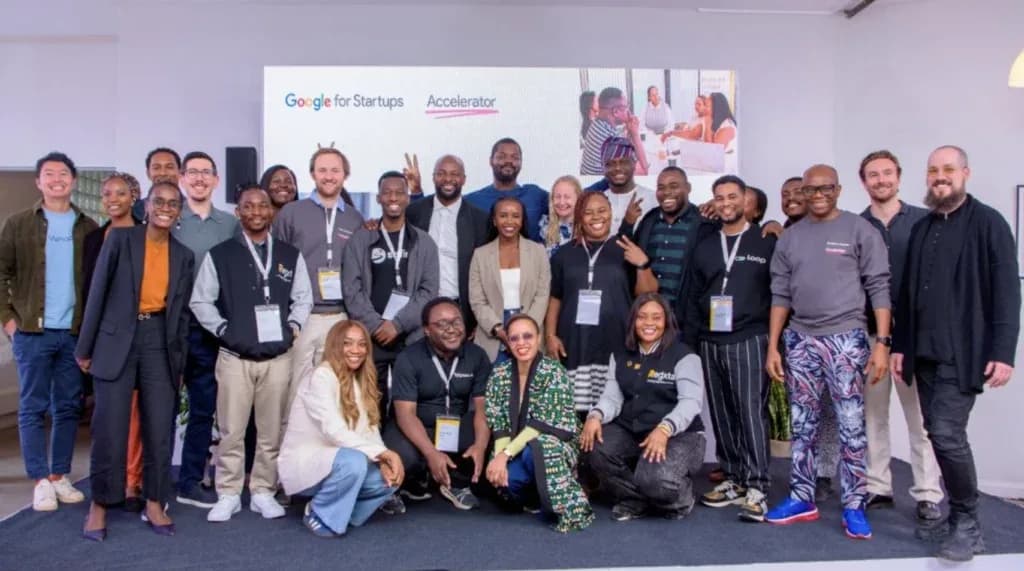
Fifteen AI-focused startups from eight African countries have completed the latest edition of the Google for Startups Accelerator Africa programme, highlighting the growing role of artificial intelligence in solving business and operational challenges across the continent.
The three-month programme, which ran from March to June 2026, brought together startups from Nigeria, Kenya, South Africa, Uganda, Tanzania, Senegal, Côte d’Ivoire, and Angola. Participants received access to Google’s technology resources, technical mentorship, and support designed to help growth-stage companies scale their operations.
According to programme organisers, 60% of the graduating startups are already profitable, with the cohort generating an average monthly revenue of approximately $60,000. The companies also raised a combined $1.1 million during the programme.
Speaking during the Demo Day in Nairobi, Google’s Managing Director for Africa, Alex Okosi, said the programme aims to support founders using AI to address practical challenges in African markets.
Strong Revenue Growth Across the Cohort
The cohort included startups operating across fintech, mobility, health technology, agriculture, enterprise software, and digital infrastructure.
Kenya accounted for four of the graduating companies. Coamana uses AI to analyse real-time data from informal food markets, helping improve visibility across supply chains. Duck focuses on helping consumer brands track inventory and reduce stock shortages through real-time retail intelligence. ReportsAI converts unstructured data into reporting and compliance documentation for organisations, while VunaPay provides payment infrastructure designed for agricultural cooperatives and smallholder farmers.
Tanzania’s Safiri also formed part of the East African contingent, using digital tools to support transportation services and tourism operations.
Fintech and Financial Infrastructure Well Represented
Several fintech and financial infrastructure businesses featured prominently in the graduating class. Angola’s Anda Africa applies AI-powered credit scoring models to informal transport workers, while Nigeria’s Bani develops cross-border payments infrastructure. Uganda’s Emaisha Pay combines agricultural payments with embedded financing services for participants in the agro-trade sector.
South Africa was represented by Loop, which focuses on mobility and digital payments, and Vambo AI, a company developing multilingual AI solutions designed for African languages.
AI Applications Extend Across Multiple Industries
Other participants included Senegal’s Maad, which operates an AI-powered commerce platform for consumer brands, and Nigerian startups MasteryHive AI, Regxta, and Termii. Their solutions address transaction reconciliation, anti-money laundering monitoring, alternative credit scoring, and communications infrastructure for financial services.
Côte d’Ivoire’s Meditect completed the cohort with software designed to support pharmacy digitisation and healthcare management.
Since its launch in 2018, the Google for Startups Accelerator Africa programme has supported more than 190 startups across 17 African countries. According to Google, participating companies have collectively raised more than $400 million and created over 3,500 jobs. The company has also provided more than $11 million in equity-free funding and product credits to startups through the programme.