Emirates Goes Virtual – Safety Training Prioritised with VR Tech
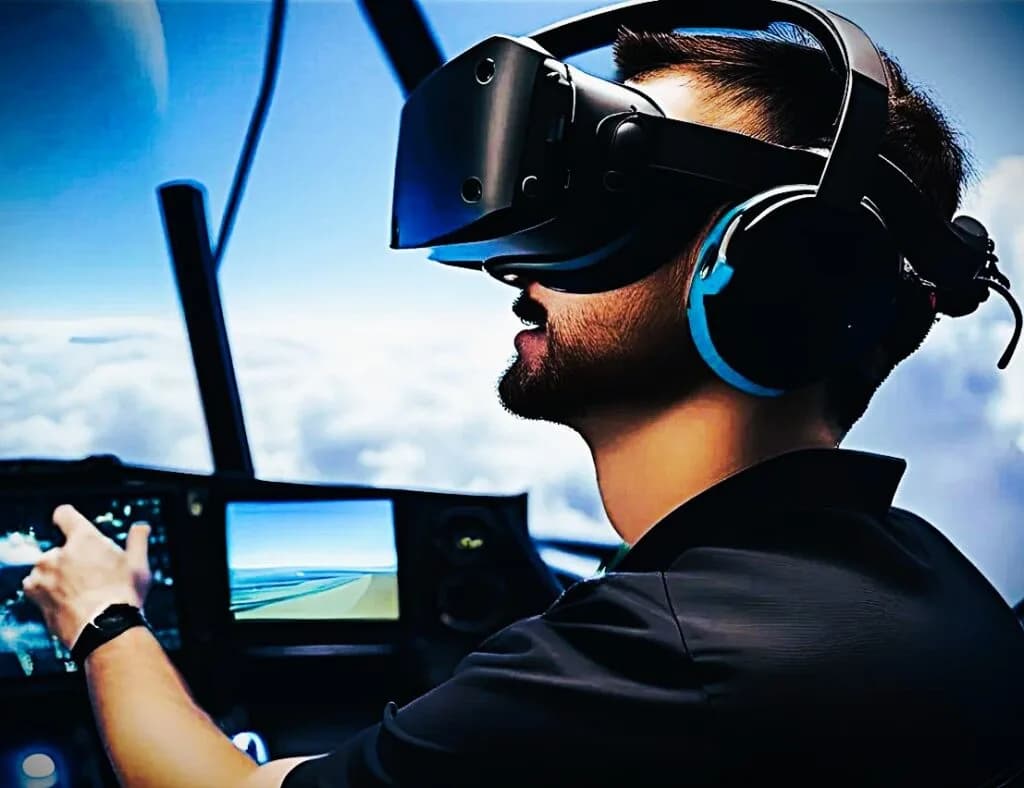
Virtual reality training has long been utilised by airlines for training purposes, particularly for pilots and air-control staff. VR simulations enable trainees to practice high-risk manoeuvres and emergency procedures without compromising safety. This hands-on experience improves decision-making, situational awareness, and response times, ultimately enhancing overall flight safety. The training courses in the aviation industry
Emirates Goes Virtual – Safety Training Prioritised with VR Tech
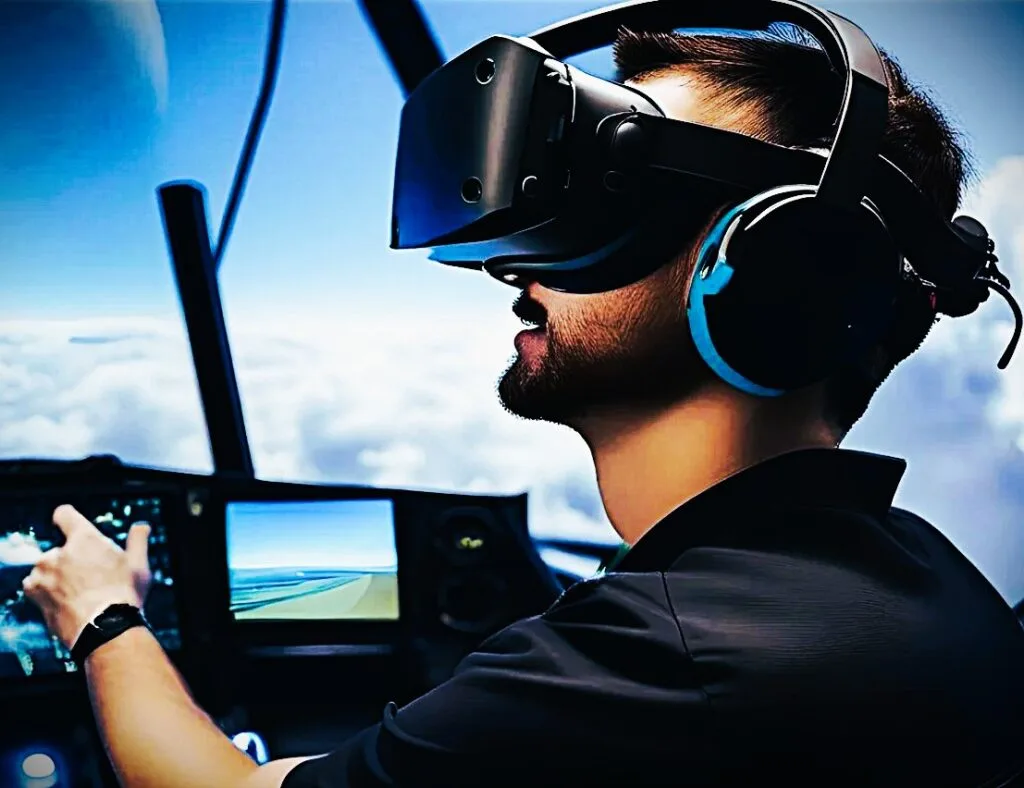
Virtual reality training has long been utilised by airlines for training purposes, particularly for pilots and air-control staff. VR simulations enable trainees to practice high-risk manoeuvres and emergency procedures without compromising safety.
This hands-on experience improves decision-making, situational awareness, and response times, ultimately enhancing overall flight safety. The training courses in the aviation industry are complex and steeped in the vast regulations and rules of the industry that requires in-depth procedures and protocols.
Providing knowledge and keeping it up to date is therefore an involved task, in particular because many training courses require physical installations.
VR offers Cost Savings and a Training Scale
Virtual reality offers a solution for these obstacles, in a virtual environment where endless practice can take place without the high cost of building multiple physical training environments. In a world with ever increasing need for effective training, Emirates airlines has begun to extended its immersive virtual training platform MIRA, to include the airline’s number one priority – safety.
In 2023, the Emirates Group embarked on MIRA, its futuristic, immersive digital platform that is a first in the aviation industry. The platform is transforming the Group’s employee experiences – particularly for cabin crew and new staff.
Cabin Crew Essential to Safety
The airline employs almost 23,000 staff with a rapidly expanding cabin crew team, who are responsible for the safety of millions of travelers every year. These “air-heroes” are a key element of any airlines safety protocols and procedures, and will soon be able to complete their recurrent SEP (Safety & Emergency Procedures) training on the MIRA training module
The self-guided virtual training has been designed to meet the requirements of regulatory bodies, while maintaining the integrity and quality of Emirates’ exceptional training programs.
The platform features photorealistic, high-fidelity, fully modelled cabin interiors of the Airbus A380, Boeing 777 and Airbus A350 aircraft, plus emergency slides, tarmac, air-bridges and different views of water and land. It will be supported with hyper-realistic audio and images. Multi-player scenarios with avatars playing the part of backup crew members will ensure standard operating procedures are accurately replicated.
Two VR Training Modules Available
While Emirates’ iconic cabin crew are renowned for offering the airline’s signature service, their core responsibility is ensuring on-board safety. SEP training on MIRA is designed to complement current methodology and will initially start with two modules – aircraft door operations and fire-fighting – key aspects of on-board safety.
Arming and disarming heavy aircraft doors require hands-on skills and experience. If opened incorrectly, the emergency slide could inflate, potentially causing damage to aircraft and air-bridges, or lead to injuries. This is why cabin crew are required to complete annual recurrent SEP training.
Soon, Emirates cabin crew will be practicing door drills virtually to demonstrate and be assessed for their competency in normal and emergency door operations, and standard operating procedures.
Firefighting skills are also key in the cabin crew competency arsenal. MIRA will feature a host of scenarios for fires in ovens, overhead lockers and toilets. Cabin crew will demonstrate their skills using a fully modelled fire extinguisher with visual and audio effects of smoke and flames as well as extinguishing agents.