Elon Musk's Starship aims for the stars with seventh test launch
Elon Musk’s SpaceX is preparing for the seventh orbital flight test of Starship, the massive prototype rocket the company envisions as key to humanity's journey to Mars. The launch window from SpaceX's Starbase in Boca Chica, Texas opens at 4:00 p.m. (2200 GMT) on Wednesday and will be streamed live on Musk's X platform. Space
Elon Musk's Starship aims for the stars with seventh test launch
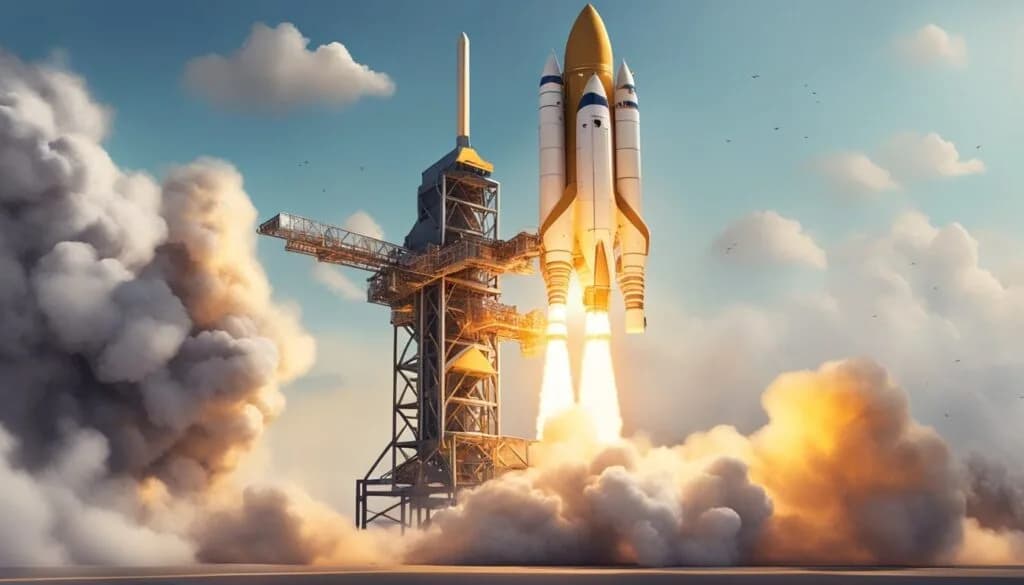
Elon Musk’s SpaceX is preparing for the seventh orbital flight test of Starship, the massive prototype rocket the company envisions as key to humanity’s journey to Mars.
The launch window from SpaceX’s Starbase in Boca Chica, Texas opens at 4:00 p.m. (2200 GMT) on Wednesday and will be streamed live on Musk’s X platform.
Space enthusiasts will be eager to see if SpaceX can replicate the stunning feat of catching the first-stage Super Heavy booster in the launch tower’s “chopstick” arms during descent, approximately seven minutes after liftoff.
According to The News, SpaceX successfully executed the maneuver in October, but it fell short during the subsequent flight in November, when President-elect Donald Trump joined Elon Musk to observe the test from mission control.
“Instead, Super Heavy made a more subdued splashdown in the Gulf of Mexico,” the report noted.
SpaceX later revealed that it had implemented significant hardware upgrades to the launch and catch tower to improve reliability for booster recovery, including enhancements to the sensor protections on the chopsticks.
These were damaged during the previous launch, which contributed to the booster’s offshore diversion.
“Starship has also undergone several design refinements,” SpaceX announced.
The latest iteration now reaches 403 feet (123 meters) in height, making it slightly taller than previous versions and about 100 feet higher than the Statue of Liberty.
The latest upgrades to Starship feature a redesigned upper-stage propulsion system, now capable of carrying 25% more propellant, along with modifications to the forward flaps.
These flaps have been resized and repositioned to minimize their exposure to intense heat during atmospheric reentry.
According to the report for the first time, Starship will deploy a payload: 10 Starlink simulators, which are similar in size and weight to the company’s actual internet satellites.
Both the simulators and Starship’s upper stage are expected to splash down in the Indian Ocean about an hour after launch.
SpaceX’s Soaring Valuation
In December 2023, SpaceX was valued at nearly $180 billion. By June 2024, that figure had soared to $210 billion. Just months later, in November 2024, SpaceX’s valuation skyrocketed again to $255 billion, cementing its position as the most valuable private start-up globally.
This meteoric rise reflects growing investor confidence in SpaceX’s ambitious goals, from launching commercial satellites to advancing the frontiers of human space exploration.
Starship’s big bet: SpaceX’s vision for the future
SpaceX already dominates the orbital launch market with its Falcon 9 and Falcon Heavy rockets, serving commercial clients, NASA, and the Pentagon.
However, the company has made it clear that it sees Starship as its future.
Chief Operating Officer Gwynne Shotwell recently indicated that Starship could replace the Falcon rockets by the end of the decade.
Designed to be fully reusable, Starship’s test flights currently cost around $90 million, according to research firm Payload Research. However, Elon Musk has expressed confidence in reducing costs to as low as $10 million per launch in the near future.
The first three test flights ended in dramatic explosions, resulting in the loss of the vehicles. Despite this, SpaceX has swiftly iterated on its design, embodying its “fail fast, learn fast” philosophy.
Musk aims to dramatically increase the frequency of tests, requesting permission from the Federal Aviation Administration (FAA) for 25 launches in 2025. The FAA is currently holding public meetings on the matter.
Critics have raised concerns about the environmental impact of SpaceX’s operations, including disruptions to nearby ecologically sensitive areas and alleged violations of wastewater regulations at the launch site.
With Musk now part of Trump’s inner circle, the billionaire may find a more favourable regulatory landscape under the incoming administration.