Ecosystem Builders The Unsung Heroes in the African Startup Landscape
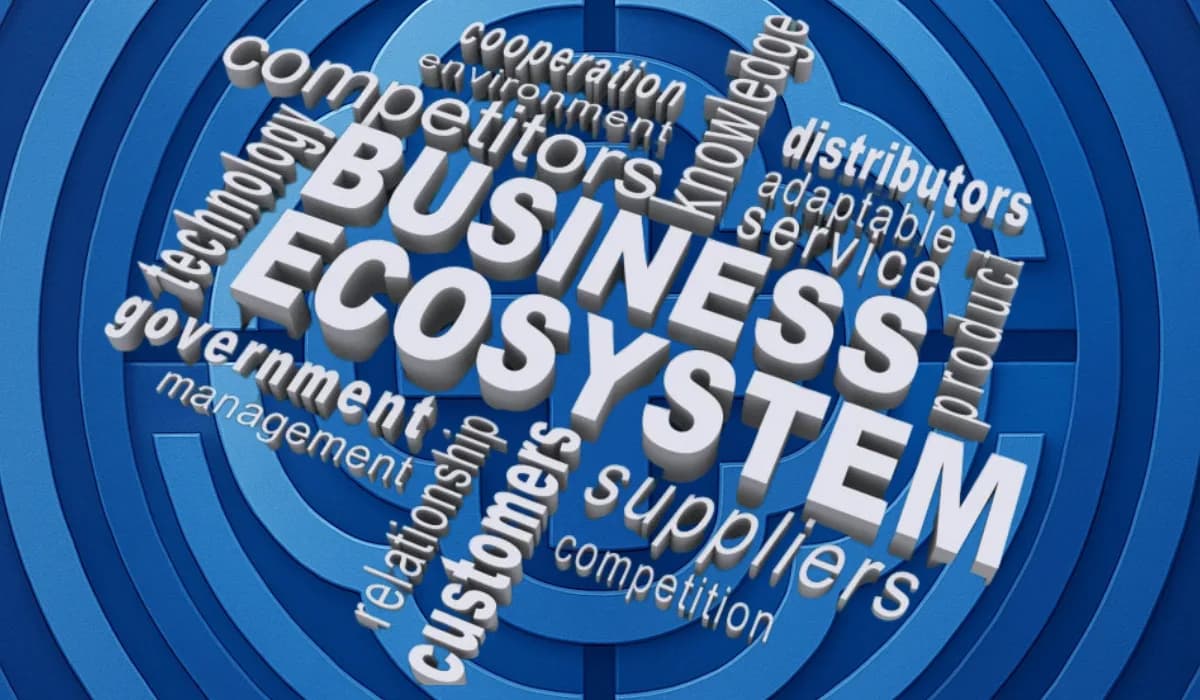
Ecosystem Builders are organisations, individuals, or initiatives that actively create, strengthen, and scale the environment in which startups can thrive. They do not just invest or advise, these are the true heroes of the business growth world where they build the “plumbing” and provide the scaffolding of the ecosystem. They provide talent pipelines, capital access,
Ecosystem Builders The Unsung Heroes in the African Startup Landscape
Ecosystem Builders are organisations, individuals, or initiatives that actively create, strengthen, and scale the environment in which startups can thrive. They do not just invest or advise, these are the true heroes of the business growth world where they build the “plumbing” and provide the scaffolding of the ecosystem. They provide talent pipelines, capital access, infrastructure, networks, policy frameworks, and market opportunities.
Unlike pure investors such as Venture capital organisations , banks and private equity who deploy capital, or startups who build products or services, ecosystem builders focus on system-level interventions that benefit multiple companies or even markets at once.
Ecosystem builders are the “invisible infrastructure” of Africa’s startup boom. They support turning raw talent and ideas into investable companies and create the conditions for scale. Without them, the funding numbers in Africa would be dramatically lower.
1. Core Types of Ecosystem Builders in Africa
2. Who Are the Most Influential Ones Right Now in 2026?
- CcHUB (Nigeria): The original “ecosystem builder” in Africa. Has trained around 10,000 founders and spun out multiple companies including the tech unicorn Flutterwave.
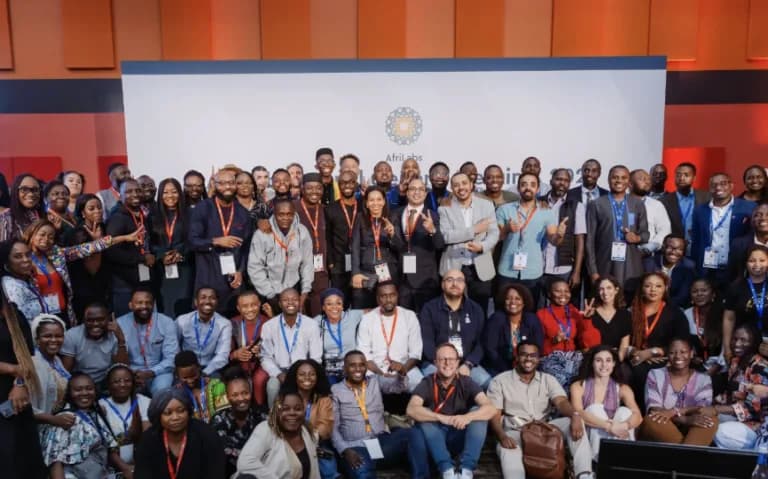
- AfriLabs: The largest pan-African network which connects 400+ innovation hubs and pushes for continent-wide policy harmonisation.
- Tony Elumelu Foundation (TEF): Africa’s largest entrepreneurship programme, has provided more than $100m in grants and trained 20,000+ entrepreneurs.
- MEST Africa (Ghana): Focuses on software and deep-tech talent development across West Africa.
- LaunchLab / LaunchLab Africa (South Africa): Stellenbosch-based; strong in agri-tech, fintech, and climate-tech initiatives.
- Google for Startups Africa: Provides cloud credits, and mentorship at scale as well as providing non-dilutive grants – essentially free money given to startups, researchers, or social enterprises that does not require startups to you to give away any ownership or equity their company
- Village Capital / Savant Group: Focuses on building entire verticals (climate, health, fintech).
3. Their Real Impact (Not Just Hype)
- Talent: Most hubs run bootcamps and pre-accelerators that have produced thousands of product managers, engineers, and founders.
- Capital Access: They de-risk startups so that global and local VCs can invest (many Series A rounds now require “ecosystem builder” validation).
- Policy Wins: AfriLabs and SAVCa helped push startup visa reforms in Rwanda, Kenya, and South Africa.
- Infrastructure: They have built or influenced co-working spaces, maker labs, data centres, and innovation districts across 40+ countries.
4. Current Trends (2026)
- There has been a notable shift from “hubs everywhere” to specialised vertical builders (climate, healthtech, agritech).
- Increased focus on revenue-generating models rather than pure grant dependency.
- Rise of corporate + DFI partnerships (e.g., MTN + Google + AfDB co-funding programmes).
- Growing emphasis on pan-African scale — builders now help startups expand across borders via AfCFTA.
- 2025 total: African startups raised between $3.1 billion (MohaC Africa) and $4.1 billion (Partech Africa estimates), a 25–40% recovery from 2024.
- Q1 2026: $705 million across 59 deals in 14 countries (26.5% YoY growth).
There are more than 1000 startup hubs in Sub-Saharan Africa today that has matured to now include a full spectrum of support to African startups and is showing consistent results in building and supporting the startup landscape that is estimated to contribute a significant portion towards the total African GDP growth.