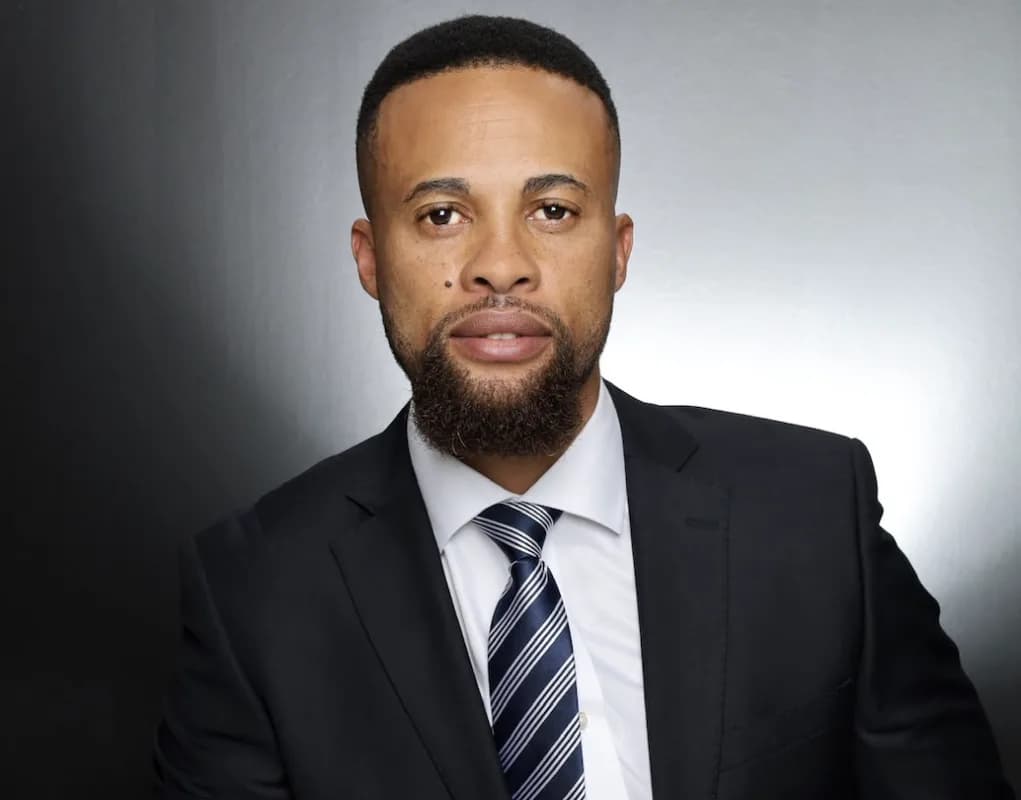
Founder Fridays: Analytics X
Discussions about economic growth often revolve around large corporations, foreign investment and government policy. Talifhani Banks sees the opportunity differently. In his view, much of Africa’s economic energy already exists in township businesses, informal traders and small enterprises that keep local markets moving every day but rarely have access to the systems or financial tools

Founder Fridays: Analytics X

Discussions about economic growth often revolve around large corporations, foreign investment and government policy. Talifhani Banks sees the opportunity differently. In his view, much of Africa’s economic energy already exists in township businesses, informal traders and small enterprises that keep local markets moving every day but rarely have access to the systems or financial tools needed to grow.
That thinking led him to found Analytics X and the fintech platform My Xpay. Through these ventures, Talifhani is building technology, financial infrastructure and data-driven tools designed to support businesses and improve how African markets function.
Early Influences and Foundations
Talifhani’s interest in business and numbers began early. Raised in an environment where small trading and micro-lending were part of everyday life, he quickly discovered a talent for mathematics. He went on to study statistics and developed a strong interest in econometrics, investment and financial systems. The more he learned about finance, the more he noticed how disconnected many of these systems were from communities like the one he grew up in.
Instead of moving into banking, he began working in retail analytics where he built pricing models and worked closely with data. Time spent at companies such as Massmart and Pick n Pay exposed him to how major retailers make decisions using data. It also revealed a major gap. Large companies had access to powerful analytics while small businesses that needed those insights the most had almost none.
Founding Analytics X
Over time he began to see a growing gap between what companies were doing with data and what they could be doing. That realisation led him to step away and launch Analytics X in 2017.That experience gave him confidence that he could build something of his own. In 2017 he left corporate life and founded Analytics X.
What started as a data and analytics company quickly grew into something broader. Talifhani envisioned a platform that connected data science, creativity and human behavior. The company began helping organizations understand consumer patterns, marketing performance and operational decisions while also building digital systems and infrastructure.
Discovering Africa’s Real Opportunity
As the company expanded across projects and markets, he gained exposure to entrepreneurs and innovators from around the world. Those experiences restructured his thinking. Many countries build solutions based on their environments and economic realities. Africa’s greatest advantage, he realized, was its massive informal economy.
Across cities from Johannesburg to Harare and Gaborone, the same picture appears, he said. Townships and small businesses dominate daily trade. These markets are huge but remain largely excluded from formal financial systems, analytics tools and supply chains. Talifhani saw an opportunity to build technology that includes them rather than ignoring them.
My Xpay and Financial Access
That realization eventually led to the creation of My Xpay, a platform designed to give small businesses access to financial tools, suppliers and digital transactions within a single ecosystem. Through the platform, shop owners can manage payments, order stock and build transaction histories that help them qualify for credit. Instead of relying on cash-only operations or informal borrowing, businesses begin to operate within a more structured financial system.
For Talifhani, data sits at the center of that transformation. Many small traders understand their customers well but lack the systems to track patterns, demand cycles or inventory effectively. With the right tools, they can make more informed decisions about stock, sales and finances. Over time, that kind of visibility can turn survival businesses into stable, scalable enterprises.
Challenges, Expansion and a Bigger Mission
Another issue he often highlights is the fragmentation of African markets caused by different currencies and financial regulations. These barriers limit trade between countries and keep many small businesses operating within narrow local markets. Technology, particularly fintech infrastructure, has the potential to change this by enabling easier transactions and cross-border commerce.
Building such platforms has not been easy. Financial technology requires regulatory approvals, banking partnerships and strict security standards. Gaining trust from institutions and regulators has been one of the biggest hurdles. Recognition through international entrepreneurship platforms and partnerships with global financial organizations have helped validate the work and open doors.
Beyond technology, Talifhani is also exploring opportunities in mining and community development. Africa’s mineral wealth, he believes, should translate into stronger local economies and improved infrastructure. His long-term vision includes projects that combine business growth with direct impact on surrounding communities.
For Talifhani, these ventures are closely connected to the direction he wants Analytics X to take. He ultimately sees the company evolving into an investment platform focused on empowering businesses at the bottom of the economic pyramid. By connecting finance, technology and local enterprise, he believes African economies can grow from the ground up rather than relying only on large institutions.
Advice for the Next Generation
When speaking to young entrepreneurs, his message is simple. Believe in your ability to build meaningful companies. The journey is difficult and uncertain but waiting for traditional opportunities will not transform communities. Real change comes when people take the risk of creating something that did not exist before.
In his view, Africa’s next economic breakthrough will not come from copying global models. It will come from building systems that reflect the continent’s realities and unlocking the potential that already exists in its communities.
read about other Founder Fridays Here