Creator Pulse – The True Cost of Creating a Podcast
Contributing Author: Mohale Moloi I have been trying to explain to my mother, who is approaching seventy, that talking into a camera in your living room can be a lucrative career. For her generation, where a real job meant being a teacher, lawyer, social worker or cop, the modern creator economy sounds absurd. Yet this
Contributing Author: Mohale Moloi
I have been trying to explain to my mother, who is approaching seventy, that talking into a camera in your living room can be a lucrative career. For her generation, where a real job meant being a teacher, lawyer, social worker or cop, the modern creator economy sounds absurd. Yet this digital economy, filled with everything from podcasts to short-form videos, has minted a new class of media entrepreneurs across Africa.
Easy Entry Does not Equal Longevity Potential
Starting a podcast is technically easy. A mid-range smartphone, a decent data connection, and the audacity to speak are all you need. But, there’s a catch: building a show you can make commercially viable is an entirely different undertaking. The low barrier to entry should never be confused with a low barrier to success. The American trade association (Sounds Profitable) found that one out of every three listeners who start a podcast will stop. Amplifi Media’s analysis of the Apple podcasts directory revealed how quickly creators are discouraged, 47% of podcasts stop production after three or fewer episodes.
This gap between starting and sustaining became clear to me while listening to the Easter episode of People Just Need Comedy (PNC). A voice note from a 14-year-old fan who dreams of launching her own show, played on air, and she wanted to know how to get funding to replicate PNC’s success. The host’s advice to her? Build it, and the audience would come. While this advice was well-meaning, it was also incomplete.
The Professional Feel Needed to Monetise
The true cost of moving from hobbyist to creator lies in outgrowing that initial, scrappy phase and transitioning into a structured production that keeps an audience interested. I spoke to a husband-and-wife podcasting duo who illustrate this transition. They did not start their show to court brands; they wanted to document their love story. Armed with an iPhone and the kind of unpolished authenticity that early audiences respond to, they built their following organically. But as their audience expanded, so did the demands of production.
They reinvested their YouTube AdSense revenue into their podcast: floodlights and filters for better lighting, microphones from Facebook Marketplace, editing skills learned from YouTube tutorials, and eventually a videographer for the final cut. These creators recognised the difficult truth: you cannot pitch blue-chip brands for premium sponsorship rates if your audio peaks and your lighting flickers. With professionally produced episodes ranging between R8,000 and R20,000 per episode, a ten-episode season can come with a production budget of up to R200,000 before a single sponsorship rand has been secured.
Ambition Collides with Reality
This is the friction point where ambition and revenue collide. To secure that amount for a sponsored series today, creators must present high-end branding, custom illustrations, a broadcast-quality portfolio, and social metrics that prove a real audience exists. Yet some marketing professionals still treat podcasting as cheap-to-produce content and expect bargain rates. Brands that don’t fall into that trap tend to funnel spend towards a small pool of established names, which is how your brand ends up placed next to your direct competitor on the same creator’s media kit.
That brand behaviour is particularly difficult to defend when you consider the market’s scale. South Africa’s podcast advertising market created $170.9 million in 2024 and is projected to reach nearly $400 million by 2030. Brands already know the creator’s voice is the product. They are just not willing to pay for it accordingly.
These creators are quietly running full-scale, independent production houses with real operational overheads, yet some are still being priced as hobbyists. This creates an exhausting tension: balancing the commercial demands of a brand seeking ROI against the authentic needs of the audience that gave the creator influence in the first place. Get that balance wrong in either direction, and the show suffers. The human cost here is creator burnout. Research showsthat more than half of creators have experienced burnout, with 37% considering quitting the industry.
Legacy Media Venturing Into Podcasts
It is worth noting the irony that legacy broadcasters are now entering the space they could have spearheaded. The SABC hosts podcasts on its app, and its 2025 annual report recorded a 290% year-on-year surge in podcast downloads. They have arrived not out of innovation, but necessity, as the medium’s commercial proof became undeniable. Podcasting is cheap to start and wildly expensive to scale into a revenue engine, and the institutions that are arriving late to this truth did not have to bear those costs themselves. Creators side-hustled the industry into viability until it became too big to ignore.
This brings me back to the real jobs I am still trying to explain to my mother. Building a sustainable podcast requires the same financial discipline, operational overhead, and sheer grit as any traditional business. The only difference is that the boardroom is a living room, and the product is your voice.
Perception Shift Required
Which is why it is past time for media buyers, agencies, and brands to close the gap between how they perceive creators and what creators are actually driving. You are not sponsoring a hobbyist with a microphone. You are partnering with an independent media business, one that has already done the hard work of building an audience that trusts them. The question is whether your investment reflects that reality, or whether you are still pricing the work like it is 2018.
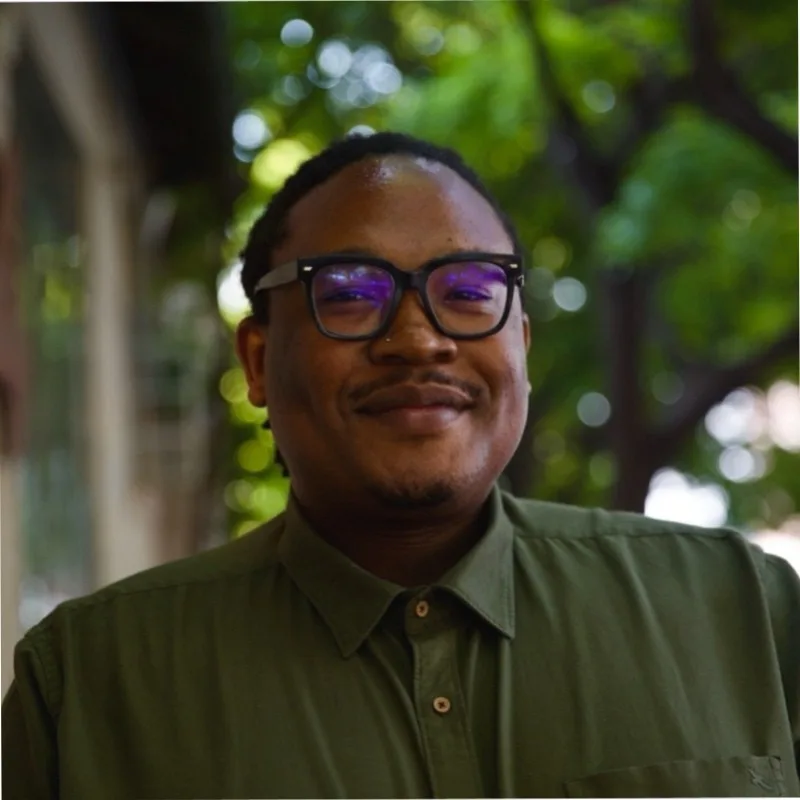
Mohale Moloi is an independent media industry analyst