China Restricts Supply of Rare Earth Magnets: A Blow to Green Tech and EV Industries
Picture by Peter Sobolev China’s recent decision to tighten its control over the export of rare earth magnets has sent shockwaves through the global green technology sector, particularly among electric vehicle (EV) manufacturers and smart electronics producers. As the world races toward a cleaner, more sustainable future, this strategic restriction threatens to derail progress in
China Restricts Supply of Rare Earth Magnets: A Blow to Green Tech and EV Industries
Picture by Peter Sobolev
China’s recent decision to tighten its control over the export of rare earth magnets has sent shockwaves through the global green technology sector, particularly among electric vehicle (EV) manufacturers and smart electronics producers. As the world races toward a cleaner, more sustainable future, this strategic restriction threatens to derail progress in renewable energy, electric mobility, and advanced electronics.
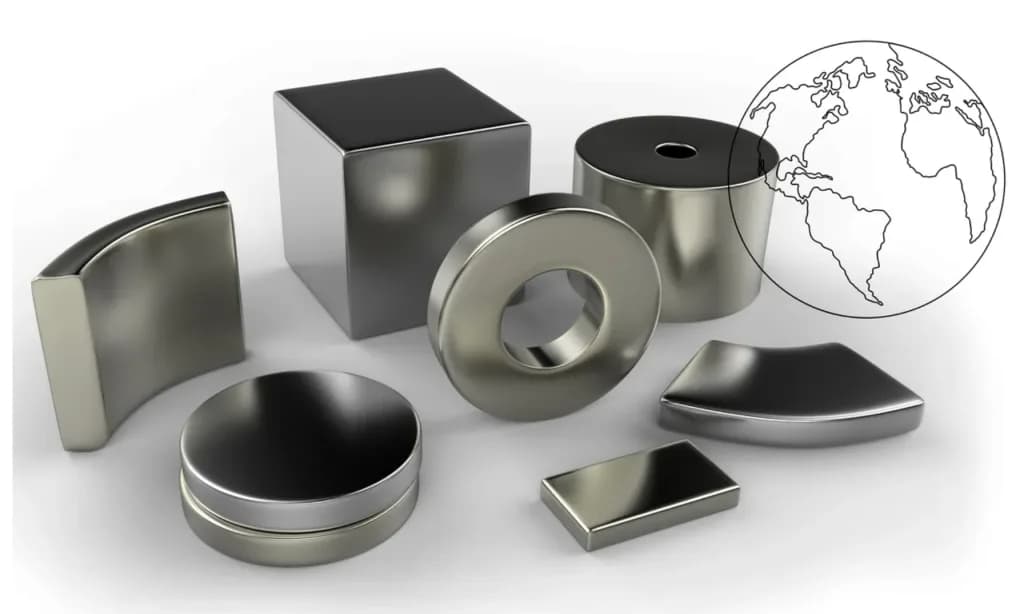
Rare earth magnets, especially neodymium-iron-boron (NdFeB) magnets, are small but powerful components essential to the performance and efficiency of many green technologies. These magnets are found at the heart of electric vehicle motors, wind turbine generators, and the compact, energy-efficient designs of smartphones, tablets, wearable tech MRI machines as well. Their strength, durability, and efficiency make them irreplaceable in applications where weight and power matter.
China’s Strategic Control of the Global Supply Chain
China dominates the rare earth supply chain, producing nearly 90% of the world’s rare earth magnets. The country not only mines and refines the raw materials but also leads in the complex manufacturing processes required to produce high-performance magnets. With the introduction of new export restrictions and licensing requirements in 2024, China is effectively limiting the global flow of these crucial materials.read more here
Electric Vehicles Under Pressure
For EV manufacturers like Tesla, Ford, and Volkswagen to mention a few, the impact is significant. Electric motors rely heavily on NdFeB magnets due to their ability to deliver high torque and efficiency in compact sizes. A disruption in supply can lead to increased production costs, manufacturing delays, and reduced output. In a market where EV demand is soaring and competition is fierce, even a minor supply chain constraint can lead to major setbacks.
Renewable Energy Projects at Risk
Green tech companies, especially those building wind turbines and solar tracking systems, also face hurdles. Direct-drive wind turbines use rare earth magnets to maximize efficiency and minimize maintenance. With supply restricted, project timelines may be delayed, and equipment costs could rise undermining efforts to scale up renewable energy infrastructure quickly enough to meet global climate goals.
Smart Electronics Feeling the Pinch
Smart electronics are another casualty. Smartphones, laptops, wireless earbuds, and other compact devices rely on rare earth magnets for features like haptic feedback, audio performance, and miniaturization. Companies like Apple and Samsung are now reassessing their supply chains, knowing that production slowdowns or cost increases could hurt both profit margins and product availability.
The Broader Impact on Green Transition Goals
The ripple effect goes beyond business and economics; it threatens climate progress. As nations commit to decarbonization through EV adoption and clean energy, the availability of rare earth magnets becomes a make-or-break factor. While some countries are investing in domestic mining and recycling, it will take years to build a self-reliant supply chain that can rival China’s capacity. In the face of this supply shock, many nations are scrambling to diversify their sources. The U.S., EU, Australia, and Canada are investing heavily in developing domestic rare earth supply chains and refining capabilities. However, creating an alternative supply chain is easier said than done. It requires years of exploration, environmental approval, infrastructure development, and technological know-how. Projects like the Mountain Pass mine in California and Lynas Rare Earths in Australia show promise but are still far from matching China’s scale and efficiency.
China’s restriction is a wake-up call to the world, innovation and substitution efforts may offer partial relief, but the reality is clear China’s tightening control over rare earth magnet exports has really exposed just how vulnerable the world’s green transition process is. Without urgent global collaboration and investment in alternative supply routes, the path to a sustainable future may face unexpected and very expensive detours.