Business School – High Impact Low-Cost Brand Strategies
Marketing Lesson – How to Create High-impact, low-cost strategies for brand visibility In today's competitive landscape, small businesses and startups often face the daunting challenge of building brand visibility without the luxury of hefty marketing budgets. Traditional advertising avenues like TV advertising or billboards can ramp up costs quickly, without any guarantee of return. Advertising
Business School – High Impact Low-Cost Brand Strategies
Marketing Lesson – How to Create High-impact, low-cost strategies for brand visibility
In today’s competitive landscape, small businesses and startups often face the daunting challenge of building brand visibility without the luxury of hefty marketing budgets. Traditional advertising avenues like TV advertising or billboards can ramp up costs quickly, without any guarantee of return.
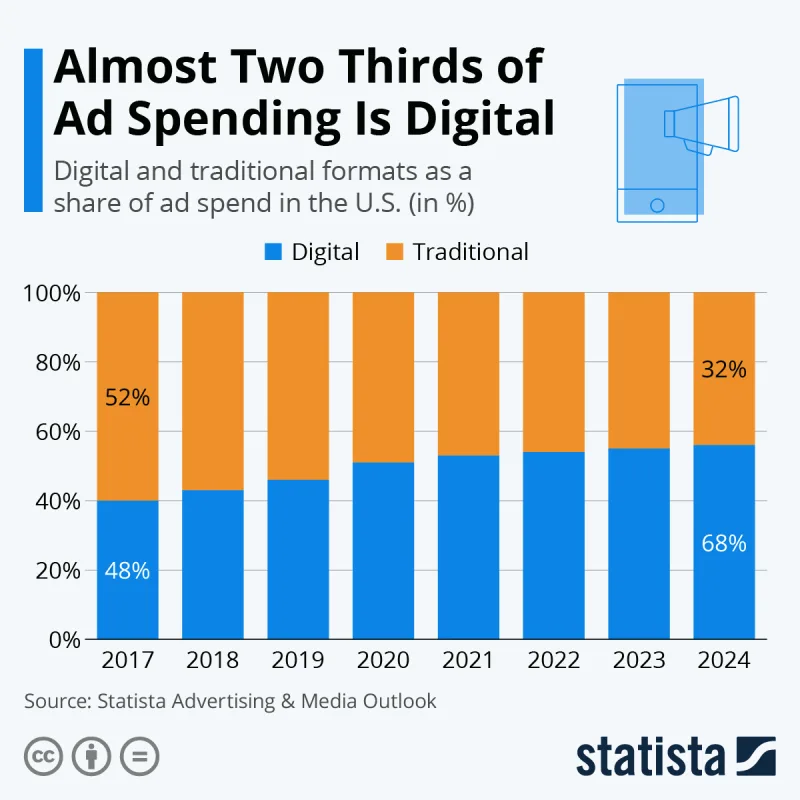
Advertising revenue in traditional media has plummeted over recent years with Traditional media advertising dropping from a 52% share of market to 32% in South Africa.
Television and Newspapers as well as magazines and many radio stations, have over the same period seen large reduction in audience sizes, reducing advertising impact for money spent.
Digital Revolution has Up-Ended Traditional Advertising
This is why savvy entrepreneurs are turning to creative, high-impact strategies that mostly leverage digital and social media tools, community engagement, and ingenuity. These approaches not only minimise costs but also foster authentic connections with audiences, leading to organic growth and viral potential.
Drawing from real-world successes, this breakdown explores proven low-cost tactics, backed by examples, and outlines a step-by-step guide to crafting an effective marketing plan. By focusing on value-driven content and strategic outreach, even bootstrapped brands can achieve remarkable visibility.
Viral Content a Winner
One of the most potent strategies is creating viral content, where a single piece of media can explode in reach with minimal investment. This involves producing humorous, relatable, or provocative videos or posts that resonate emotionally and encourage shares. For instance, Dollar Shave Club launched a quirky video in 2012 titled “Our Blades Are F***ing Great,” shot in just seven hours for a mere $4,500. The ad humorously highlighted their subscription model, differentiating from giants like Gillette. It garnered 27 million views on YouTube, propelled the company to 48.6% of the online shaver market by 2015, and culminated in a $1 billion acquisition by Unilever in 2016.
Similarly, Old Spice’s 2010 campaign, “The Man Your Man Could Smell Like,” featured absurd videos followed by real-time personalised responses to social media comments, costing modestly but boosting sales significantly and revitalising the brand’s image from outdated to trendy. These examples show how humor and interactivity can turn low-budget efforts into cultural phenomena.
User Generate Content Provides Low-Cost High Engagement Value
Another key tactic is harnessing user-generated content (UGC) and social media engagement to build community without paid ads. By encouraging customers to share their experiences, brands amplify visibility through authentic endorsements. GoPro’s “Be a Hero” initiative invited users to upload adventure videos captured with their cameras, sharing the best on social channels. With virtually no additional marketing spend, this fostered a loyal community, provided free content, and elevated brand visibility among thrill-seekers, contributing to GoPro’s dominance in action cameras. Spotify Wrapped takes a similar approach annually, delivering personalized listening summaries in shareable graphics. This zero-cost feature (beyond development) turns users into promoters, generating widespread social buzz and attracting new subscribers organically. Businesses can adapt this by running contests or hashtags that prompt UGC, like a local cafe asking patrons to post photos with #MyFavoriteBrew for features on their page.
The Element of Surprise
Guerrilla marketing and creative stunts offer unconventional ways to capture attention in public or digital spaces. These rely on surprise and wit rather than expenditure. The Blair Witch Project in 1999 used guerrilla tactics by creating a fake website with “evidence” of the film’s “real” events, including police reports and bios, sparking rumors via email and word-of-mouth. Made on a $60,000 film budget with low marketing costs, it grossed nearly $250 million worldwide, pioneering viral digital hype. Cards Against Humanity’s Black Friday “hole-digging” stunt asked for donations to dig a pointless hole, live-streamed with no product tie-in. Minimal costs yielded massive media coverage, reinforcing their irreverent brand and critiquing consumerism. Small businesses might stage flash mobs or clever street art to generate local buzz and online shares.
Content Marketing Creating Personalised Engagements
Content marketing through blogs, emails, and SEO provides sustained visibility by offering value and improving search rankings. NOOMA, an electrolyte drink brand, used a blog for recipes, workouts, and health tips, subtly promoting products. This low-cost strategy drove engagement and sales among health enthusiasts. Airbnb similarly sent personalized emails with travel inspirations and built a blog, contributing to their $73 billion valuation by 2023. Free tools like Google Analytics and Canva make this accessible.
Partnerships and collaborations extend reach via shared audiences. Burger King’s 2015 “McWhopper” proposal to McDonald’s for Peace Day, pitched digitally, cost little but sparked global media frenzy despite rejection. Cross-promotions with complementary brands or micro-influencers can yield similar results.
Step-by-Step Strategy Approach:
- Define Objectives and Audience: Start by clarifying goals, like increasing website traffic by 50% or gaining 1,000 social followers in three months. Identify your key target group or demographic using free tools like surveys or social insights. For example, a startup might aim at millennials via Instagram.
- Audit Resources: Assess what you have—time, skills, existing content, or networks. Budget under $1,000? Prioritize free platforms like TikTok or LinkedIn. List assets like a smartphone for videos or email lists.
- Select Strategies and Channels: Choose 2-3 tactics based on your audience. If visual, opt for viral videos; if B2B, focus on LinkedIn content. Research competitors for inspiration.
- Develop a Content Calendar: Plan weekly posts, emails, or stunts. Use free templates from HubSpot. For UGC, launch a monthly challenge with prizes from inventory.
- Execute with Consistency: Produce and distribute content regularly. Engage audiences by responding to comments to build momentum, as Old Spice did.
- Measure and Optimize: Track metrics with free analytics—views, shares, conversions. Adjust based on what works; if a video flops, pivot to blogs. Iterate quarterly for refinement.
By implementing these strategies, businesses can achieve outsized visibility. Dollar Shave Club and others prove that creativity trumps cash. With discipline, even modest efforts can yield exponential returns, turning constraints into catalysts for innovation.