Bro is taking on Uber and Bolt with a different business model
Breaking into South Africa's e-hailing market is a tough ask. Uber and Bolt have spent years building their platforms and attracting both drivers and commuters. But a Johannesburg startup believes there is still room for a different approach. Bro was founded by Percy Qamata, Msizi Mtolo, Cebile Magudulela and Luther Mfetane. Instead of taking a
Bro is taking on Uber and Bolt with a different business model
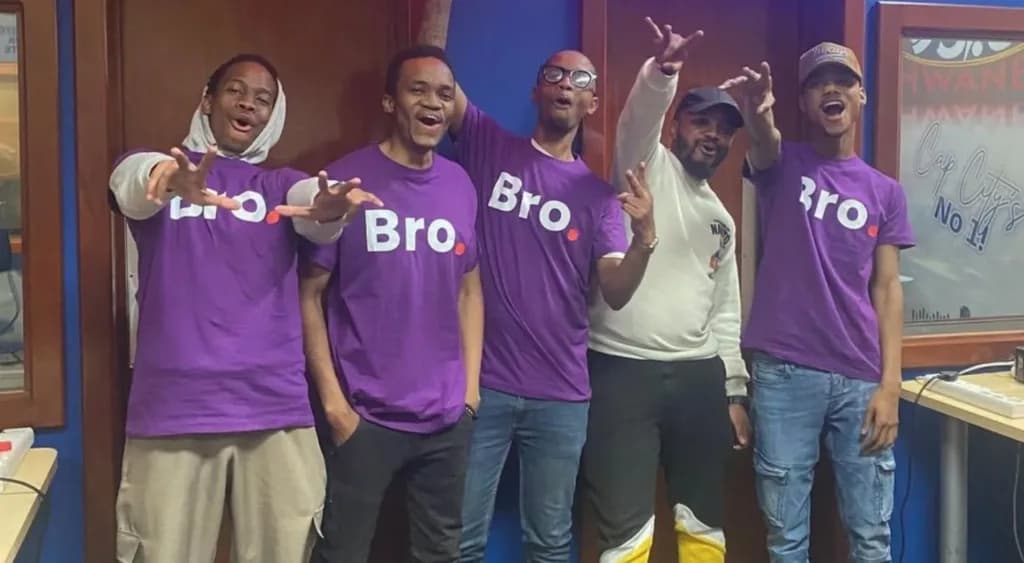
Breaking into South Africa’s e-hailing market is a tough ask. Uber and Bolt have spent years building their platforms and attracting both drivers and commuters. But a Johannesburg startup believes there is still room for a different approach. Bro was founded by Percy Qamata, Msizi Mtolo, Cebile Magudulela and Luther Mfetane. Instead of taking a commission from every trip, the company charges drivers a fixed subscription fee. Once that fee is paid, drivers keep everything they earn from their rides. The idea grew out of a problem the founders kept hearing about. Mtolo had moved from KwaZulu-Natal to Johannesburg, where he worked in the vehicle rental industry. Using e-hailing services almost every day gave him a front row seat to the challenges drivers faced. One complaint came up repeatedly. Drivers felt they were giving away too much of their earnings in commission. At the time, the founders were building websites and digital products for small businesses. Their original plan was to develop software for the taxi industry, but they struggled to find interest. Rather than continue down that road, they looked at a much larger market where they believed they could offer something different. That decision led to Bro.
A fixed monthly cost
Bro’s model is simple. Drivers pay a subscription instead of a commission on every trip. The company currently offers three options: R30 a day, R150 a week or R600 a month. After paying the subscription, drivers keep the full fare from every completed trip. The founders believe the model gives drivers greater control over their income because they know exactly what they will pay to use the platform.
Starting with a pilot
Before launching to the public, Bro tested the platform during a month-long pilot in Braamfontein in July 2025. The trial focused on making sure the basics worked properly, including payments, trip management and safety features such as an SOS button. The team expected a relatively small group of early users. Their target was 50 drivers and 100 commuters. According to Qamata, those numbers were quickly exceeded. Within two months, more than 700 drivers and over 1,100 commuters had registered on the platform. The company officially launched Bro in November 2025. The app is currently available for Android users, while an iOS version is still in development.
Building the business in Johannesburg
Bro is currently operating only in Johannesburg. Its service covers several parts of the city, including Sandton, Randburg, the CBD, Johannesburg South, the East Rand, Alberton and Vosloorus. For now, the company’s focus is on growing its presence in Johannesburg rather than expanding into new cities. The founders have broader plans for the platform. They have spoken about adding services such as food delivery, grocery delivery and fintech products in the future, turning Bro into more than an e-hailing app. Those plans will take time. The immediate challenge is attracting more drivers and commuters in a market where Uber and Bolt remain the biggest players. Bro believes its subscription model gives drivers a reason to try something different. Whether that is enough to win market share will become clearer as the business grows.