China’s Rare Earth Magnet Grip Continues to Shake Automakers
As the global race toward electric mobility accelerates, automakers now confront a silent but formidable barrier China’s firm grip on rare earth magnets. These specialized components critical to EV motors, wind turbines, and other green technologies sit at the heart of both geopolitical tensions and industrial disruption. Despite major global efforts to diversify supply chains,
China’s Rare Earth Magnet Grip Continues to Shake Automakers
As the global race toward electric mobility accelerates, automakers now confront a silent but formidable barrier China’s firm grip on rare earth magnets. These specialized components critical to EV motors, wind turbines, and other green technologies sit at the heart of both geopolitical tensions and industrial disruption. Despite major global efforts to diversify supply chains, China continues to dominate, sparking alarm among electric vehicle makers.
China’s Dominance: From Mining to Magnets
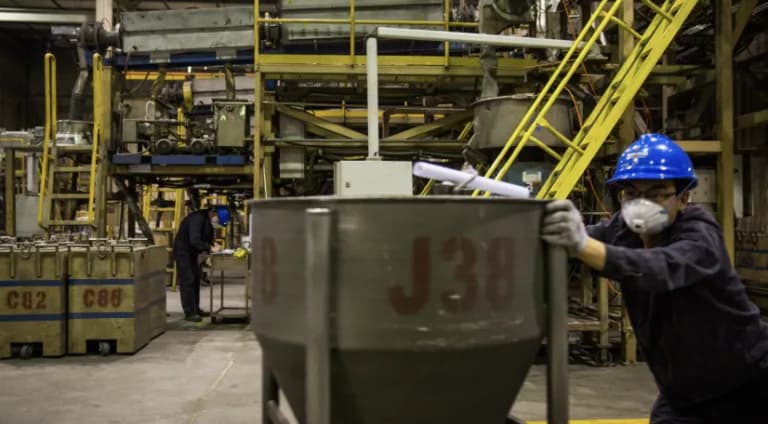
Rare earth magnets, especially neodymium-iron-boron types, play a crucial role in producing compact, high performance electric motors. China mines about 60% of the world’s rare earths and produces more than 80% of the magnets. Its control over downstream processing and manufacturing gives it a powerful strategic edge an area where Western economies still struggle to catch up.
Western Automakers on the Edge
Automakers across the U.S., Europe, and India have voiced rising concerns over tightening magnet supplies. Several EV manufacturers are now redesigning motors to reduce dependence on Chinese magnets a costly, high-risk shift that threatens rollout timelines. Some companies have begun relocating magnet installation to China, while others build up inventories to soften the blow of licensing delays.
Export Controls Continue to cause Global Disruption
Starting in 2023 and continuing into mid-2025, Beijing tightened export controls on rare earth materials and magnet-related technologies, citing national security. These restrictions limit foreign companies’ access to essential components, further straining already fragile supply chains. Although Beijing granted temporary licenses mainly to U.S. and European firms these approvals remain limited in scope and time, offering only partial relief.
Panic in the EV Supply Chain
This policy shift has disrupted EV supply chains worldwide. Indian EV makers like Tata and Bajaj warn of possible production halts unless magnet shipments clear soon. In Europe, firms such as Daimler Truck are stockpiling inventory to weather the crisis. Smaller manufacturers, lacking resources to stockpile or reengineer their systems, face serious vulnerabilities.Read more here
Scramble for Alternatives
To counter China’s grip, several governments have ramped up investment in rare earth mining and magnet production. The U.S., Canada, and Australia are scaling domestic capacity, while India has initiated strategic talks with China to resume magnet exports. Researchers are also developing alternative motor technologies and materials, though these innovations remain years from commercial readiness.
A Strategic Weak Point in the Green Transition
China’s control over rare earth magnets presents more than a supply chain problem it’s a strategic bottleneck. Without reliable and diversified access to these materials, the global push toward cleaner transport risks stalling, endangering emissions goals and climate commitments. As the world races toward an electric future, the smallest yet most vital part of the motor the magnet may determine who leads the energy transition.