AI Puts Africa's Power Grid to the Test
Africa's race to build an AI economy won't be won by adding more power stations alone. Schneider Electric argues that the bigger challenge is upgrading electricity grids to support the technologies driving demand for power. Speaking to TechCabal, Schneider Electric East Africa President Ifeanyi Odoh said many of Africa's electricity networks were built for a
AI Puts Africa's Power Grid to the Test
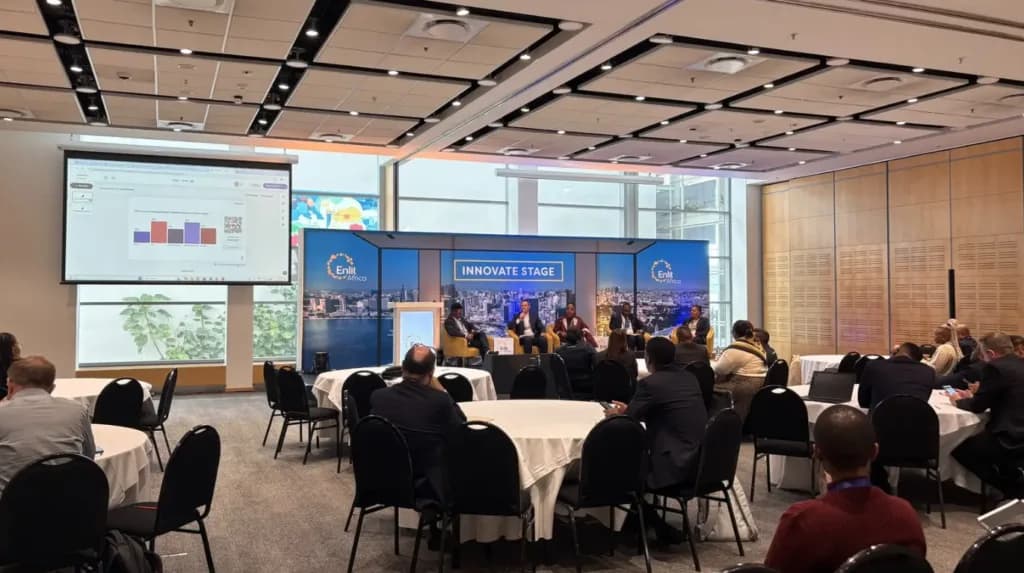
Africa’s race to build an AI economy won’t be won by adding more power stations alone. Schneider Electric argues that the bigger challenge is upgrading electricity grids to support the technologies driving demand for power. Speaking to TechCabal, Schneider Electric East Africa President Ifeanyi Odoh said many of Africa’s electricity networks were built for a different era. Today, utilities expect those same networks to support AI data centres, cloud services, renewable energy and electric vehicles at the same time. “The traditional grid as we know it is already becoming obsolete,” Odoh said. “We need grids that are digitally enabled from the start because the way electricity is generated and consumed has fundamentally changed.”
The grid is becoming part of the AI conversation
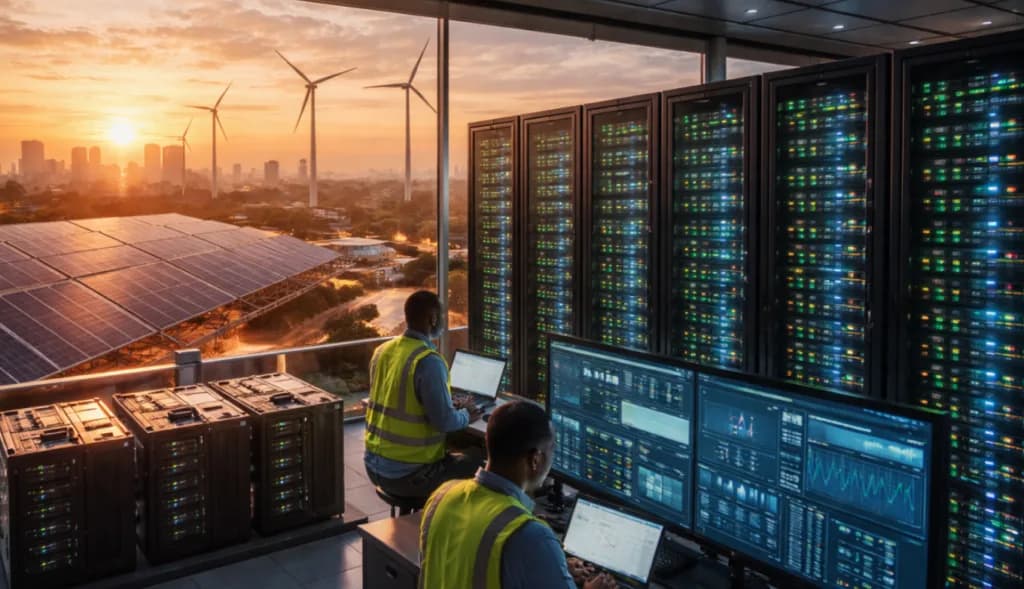
Until recently, Africa’s energy debate has focused on generation capacity. Can countries produce enough electricity? Can they reduce blackouts? Odoh believes AI shifts the focus. Modern data centres consume far more electricity than conventional IT facilities and require a stable power supply around the clock. Developers are also building these facilities closer to cities and business districts, placing new demands on electricity networks that utilities never designed for that kind of load. Electric vehicles add further pressure. Instead of drawing power mainly from factories and businesses, electricity demand now extends to homes, office parks and public charging stations. The challenge is no longer just generating electricity. Utilities must deliver it where and when businesses need it.
Three markets, three different realities
Africa’s largest technology markets show how closely electricity and digital infrastructure now go hand in hand. South Africa has attracted fresh investment from global cloud providers after improving electricity supply and expanding private energy projects. Kenya has used its renewable energy resources, particularly geothermal power, to attract digital infrastructure investment. Nigeria faces a different reality. Demand for digital services continues to grow, but an unreliable national grid forces many data centres to rely on captive gas generation and battery systems. Each country is taking a different route, but reliable electricity remains a key factor for companies planning AI infrastructure.
Building smarter networks
Odoh says utilities need to invest in electricity networks as well as new generation capacity. As more solar, wind, battery storage and gas generation come online, utilities will need systems that balance multiple power sources and respond to changing demand throughout the day. “We need everything,” Odoh said. “The real question is how to integrate all these different energy sources into one intelligent grid.”That thinking also shapes Schneider Electric’s business. The company says it already supplies power management and electrical infrastructure to a significant share of Africa’s data centres, particularly in East Africa. It is also assembling more equipment locally as demand grows. Whether Africa attracts more AI investment will depend on several factors, including connectivity, regulation and electricity. Schneider Electric argues that generating more power is only part of the equation. Countries also need electricity grids that can support the demands of modern digital infrastructure.