Building sustainable digital infrastructure for Africa's future
Africa's digital economy cannot grow without the infrastructure behind it. Every online payment, banking transaction, streamed video and cloud-based service depends on networks that most people never think about. Fibre cables, data centres, mobile towers and reliable electricity keep those services running every day. Demand continues to rise as more businesses move online and consumers

Building sustainable digital infrastructure for Africa's future
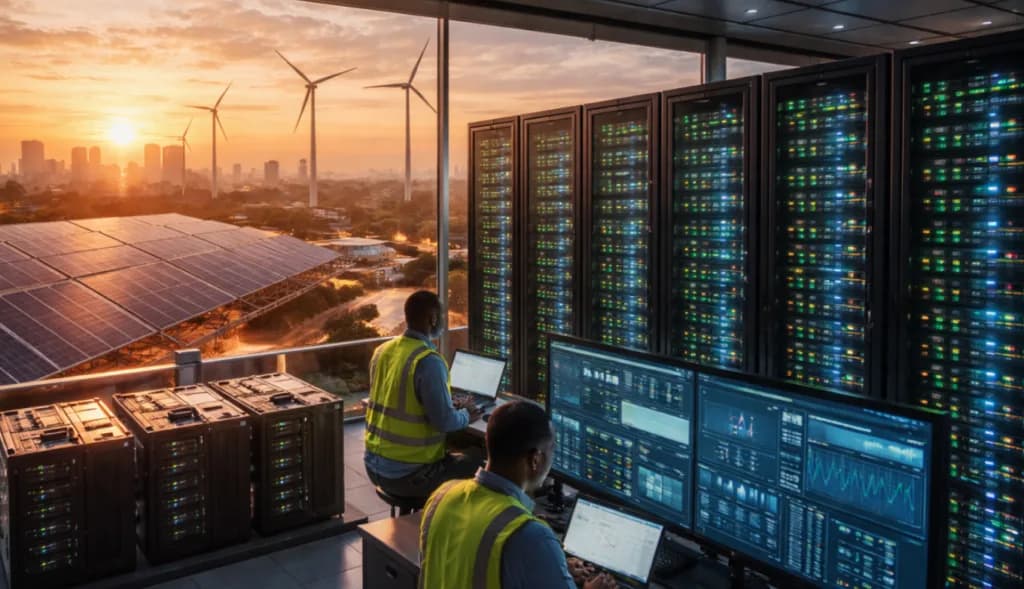
Africa’s digital economy cannot grow without the infrastructure behind it. Every online payment, banking transaction, streamed video and cloud-based service depends on networks that most people never think about. Fibre cables, data centres, mobile towers and reliable electricity keep those services running every day. Demand continues to rise as more businesses move online and consumers spend more time using digital services. That puts pressure on infrastructure that, in many parts of Africa, is already operating under difficult conditions. Adding more capacity is only part of the answer. Companies also need infrastructure that is affordable to run and reliable enough to support businesses that cannot afford downtime. Power remains one of the biggest costs for digital infrastructure operators. Data centres run around the clock, while mobile networks cannot stop operating every time the grid fails. In many countries, diesel generators are still used to bridge the gap during outages. That keeps services available, but it also increases operating costs. Fuel prices, maintenance and equipment replacement all add to the bill. This is why more operators are investing in solar power, battery storage and energy-efficient equipment. These investments often make financial sense long before they deliver environmental benefits.
Infrastructure spending is becoming more practical
There was a time when companies focused on building as much infrastructure as possible. Today, many are taking a different approach. Rather than building duplicate networks, operators are sharing towers, leasing fibre and using third party data centres where it makes commercial sense. That reduces costs and allows capital to be spent where it is needed most. It is a model that is becoming more common across Africa, particularly as demand for digital services continues to grow. Another trend is the growth of local data centres. Businesses increasingly want their applications and data hosted closer to the customers they serve. That can improve performance while reducing dependence on infrastructure outside the continent. South Africa, Kenya and Nigeria have attracted much of this investment, but activity is spreading to other markets as demand increases. For local businesses, it also means better access to cloud services without relying entirely on overseas infrastructure.
The work is far from finished
Digital infrastructure is becoming just as important as transport, water and electricity. Businesses expect reliable connectivity. Banks need payment systems that stay online. Manufacturers rely on connected systems to keep production moving. Retailers depend on digital platforms to serve customers. As those demands increase, infrastructure will have to keep pace. The companies that invest wisely today will not necessarily be the ones with the biggest networks. They are more likely to be the ones that build infrastructure that is reliable, cost-effective and able to support the businesses that depend on it every day.