500 Meters launches R250 plan to build 20,000 community-owned spaza shops
A new initiative wants South Africans to put R250 each towards building community owned spaza shops across the country. The OWN SPAZA SHOP initiative was shared by entrepreneur Nthabeleng Likotsi on Instagram, with a target of raising R500 million. The plan is to use the money to establish 20,000 spaza shops and create more than
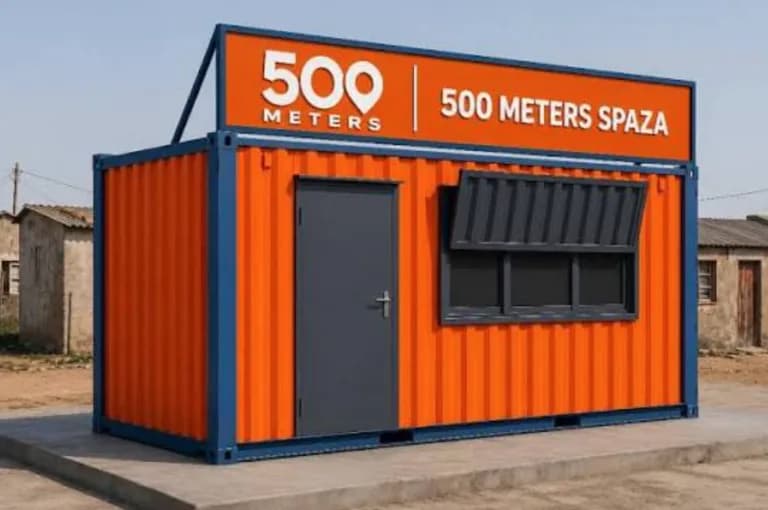
500 Meters launches R250 plan to build 20,000 community-owned spaza shops
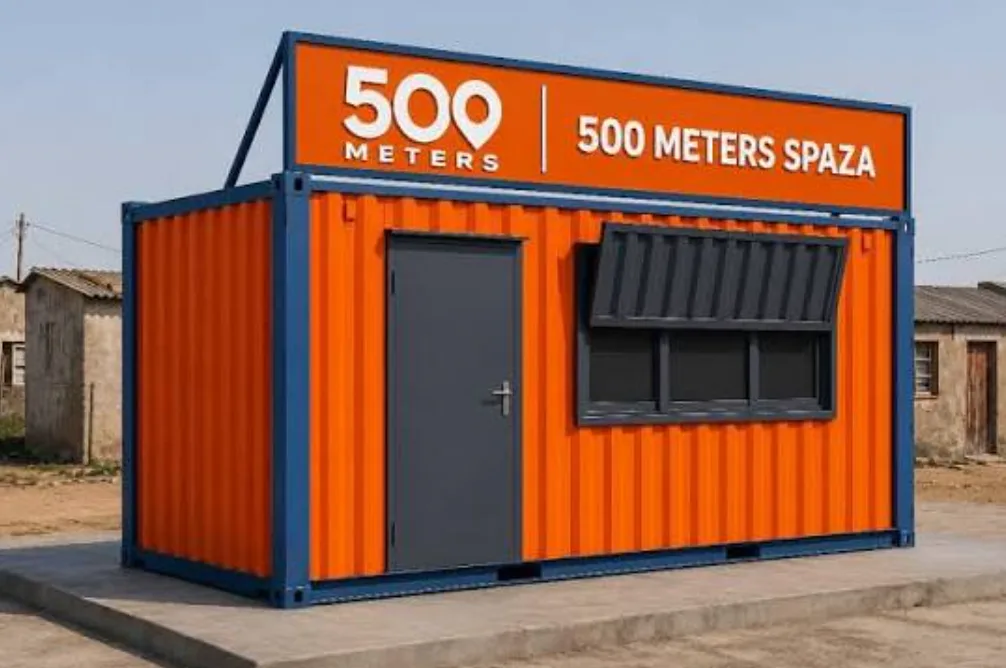
A new initiative wants South Africans to put R250 each towards building community owned spaza shops across the country. The OWN SPAZA SHOP initiative was shared by entrepreneur Nthabeleng Likotsi on Instagram, with a target of raising R500 million. The plan is to use the money to establish 20,000 spaza shops and create more than 100,000 permanent jobs. The initiative is built around community ownership, with people contributing smaller amounts instead of one person having to fund an entire shop.
Building a network of spaza shops
The proposal comes at a time when spaza shops remain an important part of township retail. Many households rely on these stores for everyday groceries and other basic products. They are usually closer to customers than larger supermarkets and shopping centres. OWN SPAZA SHOP wants to take that existing market and build a larger network around it. The proposal includes a cooperative structure through which the money raised would be managed. It also plans to have a separate cooperative focused on education and training. Seven founding directors have been identified for the initiative.
The numbers still need more detail
The proposal refers to R250,000 as an estimated cost for a refurbished and stocked spaza shop. At that figure, 20,000 shops would cost about R5 billion. That is considerably higher than the initial R500 million fundraising target. The initiative will therefore need to explain how the R500 million will be allocated and how the wider 20,000-shop target will be funded. It will also need to set out exactly what someone contributing R250 gets in return. For a community ownership model, contributors would want to know whether their money buys a stake in the cooperative, gives them an ownership interest in a particular shop or works in another way.
The supply chain could be important
One of the potential benefits of having a large group of spaza shops under one structure is buying power. Instead of individual shop owners buying stock separately, the network could potentially negotiate with manufacturers, distributors and wholesalers as a larger customer. That could help shops compete on pricing and keep more of their margins. But running a network of 20,000 shops would also require a serious distribution and management system. Stock, payments, accounting, security and day-to-day operations would all have to be managed across the network.
From contribution to ownership
The idea behind OWN SPAZA SHOP is relatively straightforward: pool small contributions and use collective ownership to build businesses in local communities. The difficult part will be putting the structure behind the idea. The organisers will need to provide more information about the fundraising process, ownership, shop locations, operating costs and how contributors will benefit.