6 million trees in Kenya to be maintained using Artificial Intelligence
AstraZeneca has committed to planting up to six million trees in Kenya and will utilize an AI deep learning model to monitor tree health, long-term survival, and carbon sequestration as part of its flagship AZ Forest program, focusing on climate action, human health, and community resilience. The reforestation project in Kenya covers more than 3,500
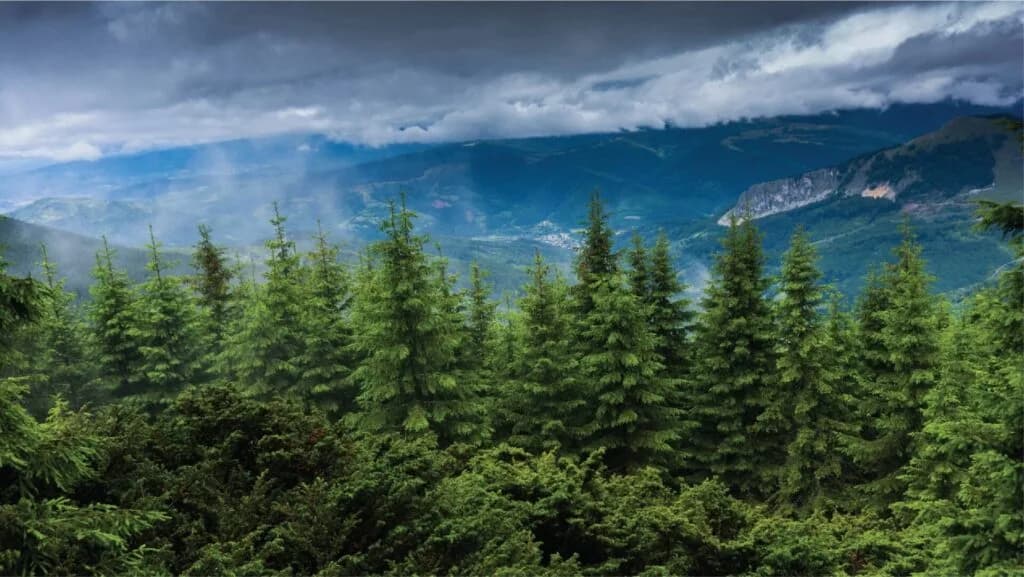
6 million trees in Kenya to be maintained using artificial intelligence
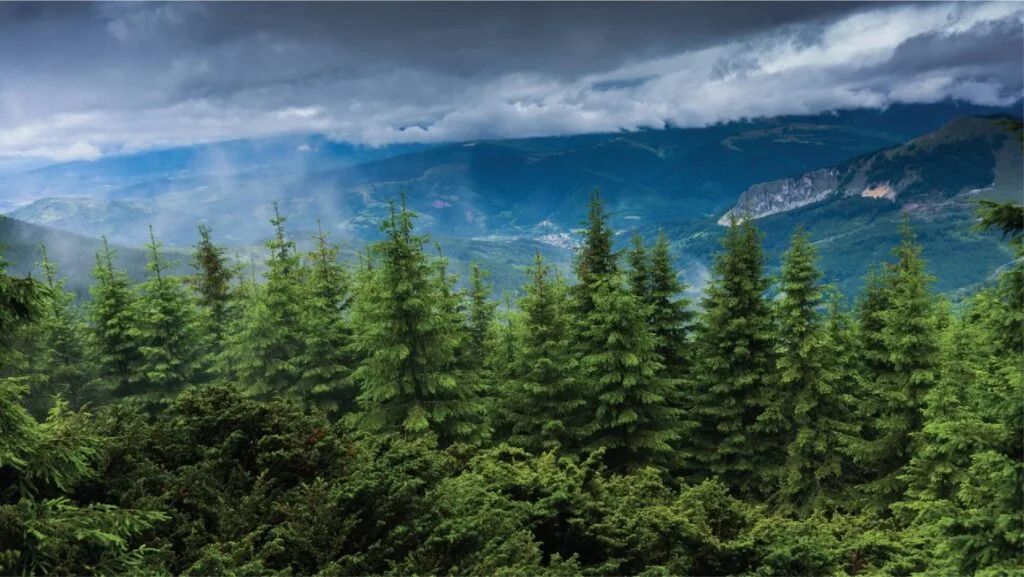
AstraZeneca has committed to planting up to six million trees in Kenya and will utilize an AI deep learning model to monitor tree health, long-term survival, and carbon sequestration as part of its flagship AZ Forest program, focusing on climate action, human health, and community resilience.
The reforestation project in Kenya covers more than 3,500 hectares across six counties in the western part of the country, adjacent to the Rift Valley. AstraZeneca is among the pioneers using an advanced AI deep learning model to analyze drone footage and satellite imagery for monitoring tree growth, health, and carbon sequestration levels.
“Climate change affects us all and tackling it requires concerted action from governments, individuals, and business.”
“We welcome AstraZeneca’s approach to reforestation: working with local communities to ensure economic benefits for people that match the positive impact on the planet. This initiative will contribute towards Kenya’s goal to plant 15 billion trees over the next decade,” said Her Excellency Rachel Ruto First Lady of the Republic of Kenya.
Designed with a science-based approach and incorporating technological innovations, the program aims to promote long-term tree health, increase biodiversity of flora and fauna, and provide an economic boost for local communities. The project aligns with the global focus on nature-based solutions to address the climate-health crisis, with COP28 placing emphasis on progress made since the Glasgow Declaration of COP26 to end deforestation.
AstraZeneca is collaborating with experts, including Earthbanc and the Green Planet Initiative 2050 Foundation (GPI2050), for the Kenya project. Indigenous and productive tree species will improve soil health, local crop yields, and benefit the local agroeconomy. Over 5,000 local farmers and community members will be engaged in the project.
The AZ Forest program is also active in Ghana, where almost three million trees have been planted this year, and in Rwanda, with a target to plant around 5.8 million trees across 21,000 hectares, making it one of the largest forest restoration initiatives in Rwanda.