Zimbabwe Launches New Currency ZiG in Bid to Stabilize Economy
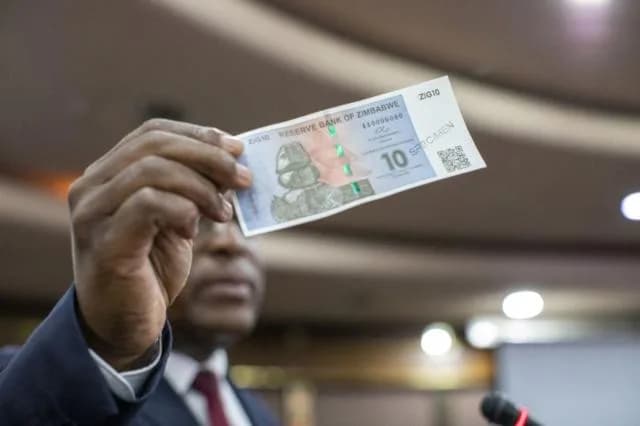
In a bid to address the ongoing currency crisis and economic challenges plaguing the nation, Zimbabwe introduced a new currency, ZiG, on Friday, replacing its struggling predecessor. The move aims to curb the depreciation and rejection of the previous currency by the populace, marking a significant step towards stabilizing the country's financial landscape. Governor of
Zimbabwe-Launches-New-Currency-ZiG-in-Bid-to-Stabilize-Economy
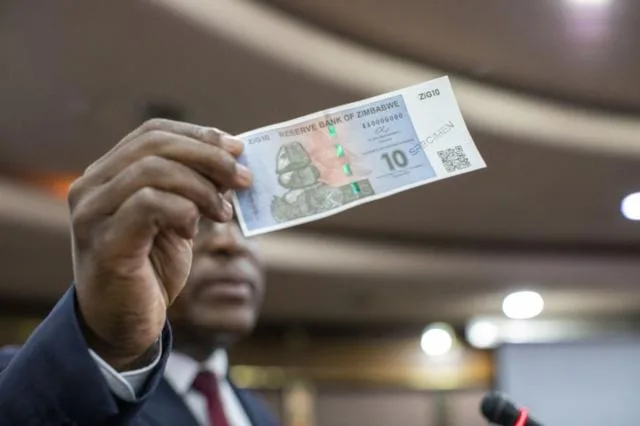
In a bid to address the ongoing currency crisis and economic challenges plaguing the nation, Zimbabwe introduced a new currency, ZiG, on Friday, replacing its struggling predecessor. The move aims to curb the depreciation and rejection of the previous currency by the populace, marking a significant step towards stabilizing the country’s financial landscape.
Governor of the Reserve Bank of Zimbabwe, John Mushayavanhu, announced that ZiG will be backed by gold reserves and a basket of foreign currencies, with implementation set to commence on Monday. The decision comes amidst mounting pressure on the Zimbabwe dollar, which has witnessed a drastic decline in value, positioning it among the world’s worst-performing currencies.
Since January, the Zimbabwe dollar has experienced a staggering 70% devaluation on the official market, exacerbating inflationary pressures. In response, traders have increasingly favoured transactions in U.S. dollars, compounding the challenges faced by the local currency.
Mushayavanhu emphasized the necessity of safeguarding the local currency from further deterioration, citing the dominance of U.S. dollar transactions in the country. The transition to ZiG includes a three-week window for citizens to exchange old notes for the new currency.
Friday’s announcement marks the latest in a series of currency interventions undertaken by the Zimbabwean government since the dramatic collapse of the Zimbabwe dollar in 2009. Past measures included the issuance of a 100 trillion Zimbabwe dollar banknote and temporary adoption of the U.S. dollar as legal tender.
Subsequent attempts to reintroduce a domestic currency in 2016 were met with currency volatility, prompting policy shifts such as the ban on foreign currencies for domestic transactions in 2019. However, the resurgence of the black market and rapid depreciation of the local currency necessitated the reinstatement of the U.S. dollar for broader circulation.