Zimbabwe’s Spodumene Exports Rise 30% Despite Low Lithium Prices
Zimbabwe is defying global market trends by significantly increasing its exports of spodumene concentrate an essential lithium bearing mineral used in electric vehicle (EV) batteries even as international lithium prices remain weak. The country’s growing production output and strategic investments have positioned it as a key player in the global battery mineral supply chain. Spodumene
Zimbabwe’s Spodumene Exports Rise 30% Despite Low Lithium Prices
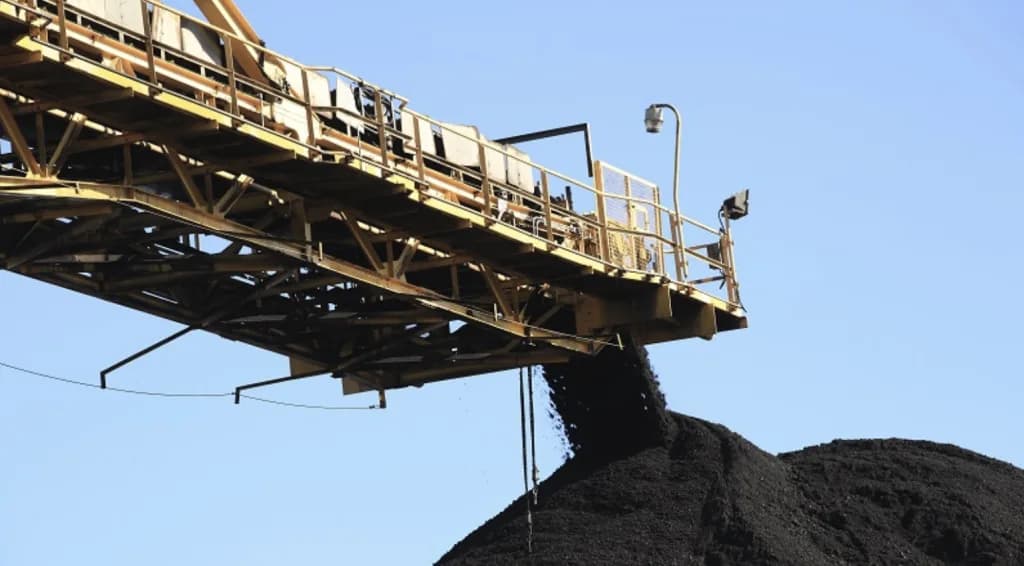
Zimbabwe is defying global market trends by significantly increasing its exports of spodumene concentrate an essential lithium bearing mineral used in electric vehicle (EV) batteries even as international lithium prices remain weak. The country’s growing production output and strategic investments have positioned it as a key player in the global battery mineral supply chain.
Spodumene Exports Soar in 2025
Zimbabwe’s exports of spodumene concentrate surged by 30% in the first half of 2025. The country exported 586,197 metric tons of the mineral between January and June, up from 451,824 metric tons during the same period in 2024, according to the Minerals Marketing Corporation of Zimbabwe (MMCZ), as reported by Reuters.
This sharp increase occurred despite global lithium prices dropping more than 80% from their 2022 peak. Instead of scaling back, Zimbabwe has chosen to scale up, signaling a major strategic shift. The country is no longer simply reacting to price fluctuations it is actively expanding capacity in anticipation of future demand for EVs and renewable energy.
Production Boom Led by Arcadia and Others
Rapid production scale up at Prospect Lithium Zimbabwe, which runs the Arcadia Mine Zimbabwe’s largest lithium project has fueled much of the export growth. The mine increased its output by 48.3% in the first quarter of 2025, from 34,000 metric tons in January to over 50,000 in March. Other producers, including Bikita, Kamativi, and Sabi Star, also ramped up operations.
Chinese investors support most of these projects. Despite weak spot prices, production remains aggressive. Analysts believe many operators accept slim profits or even short term losses to secure long-term control of battery mineral supply chains.
Why Zimbabwe is Producing More at Lower Prices
Although prices currently around US$765 per ton, lithium remains a strategically vital resource. Chinese companies like Zhejiang Huayou Cobalt, Sinomine, Chengxin, Yahua, and Canmax have invested over US$1 billion in Zimbabwe’s lithium sector since 2021. These firms aim to secure long-term spodumene supply for China’s booming battery and EV sectors.
Several Zimbabwean mines continue operating near or below break-even. However, investors remain confident in a market rebound driven by global electrification and energy storage growth.
Government Policy Accelerates Value Addition
Zimbabwe’s government has supported the sector through targeted policy and investment promotion. In 2022, authorities banned raw lithium ore exports. The ban will expand to include lithium concentrate starting January 2027.
These moves aim to boost local processing and value addition. Several domestic projects are underway, including a US$270 million concentrator at Sandawana and planned lithium sulfate plants at strategic sites. Combined, these developments are expected to attract more than US$700 million in processing investment by 2026.
Zimbabwe’s Growing Influence in the Lithium Market
Zimbabwe has emerged as Africa’s leading lithium producer. Spodumene concentrate now ranks among its top export commodities. The lithium sector is generating not only foreign exchange but also jobs and infrastructure in mining areas. Despite depressed global prices, Zimbabwe’s rising exports highlight the strength of its long-term strategy in shaping the future of energy storage and electric mobility.