Zambia's Ongoing Debt Challenges and China's Pivotal Role in African Trade
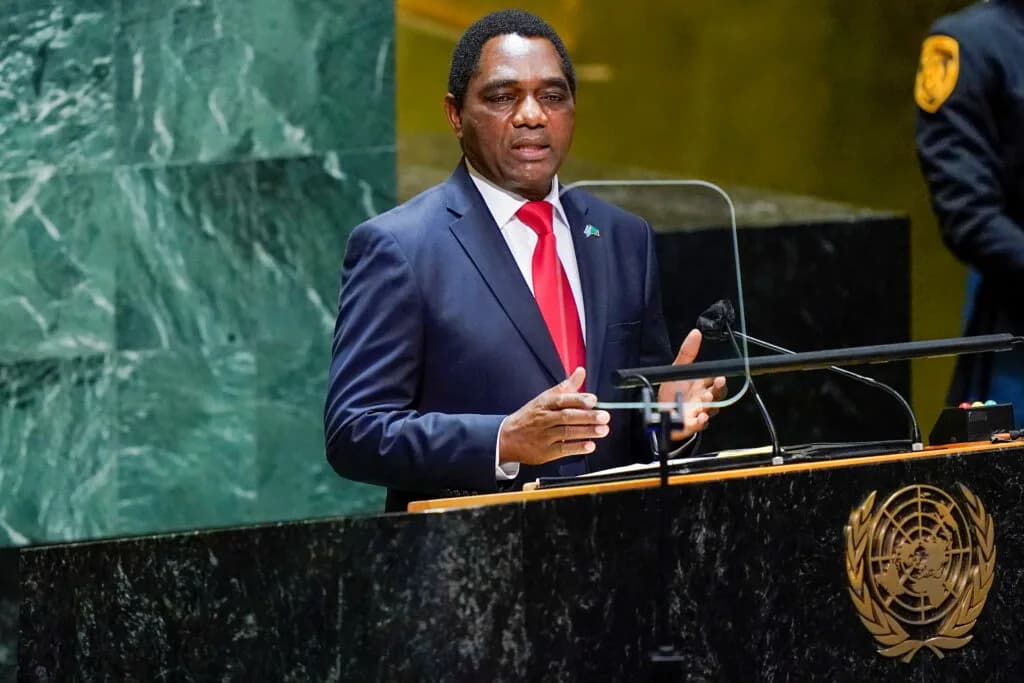
Zambia continues to grapple with significant debt challenges, with nearly $7 billion pending resolution, even after a deal with bilateral lenders last year addressed over $6 billion. The remaining $7 billion debt is owed to bondholders and commercial banks, and Zambia's pursuit of debt relief has been a protracted and challenging journey. Despite a deal
Zambia's Ongoing Debt Challenges and China's Pivotal Role in African Trade
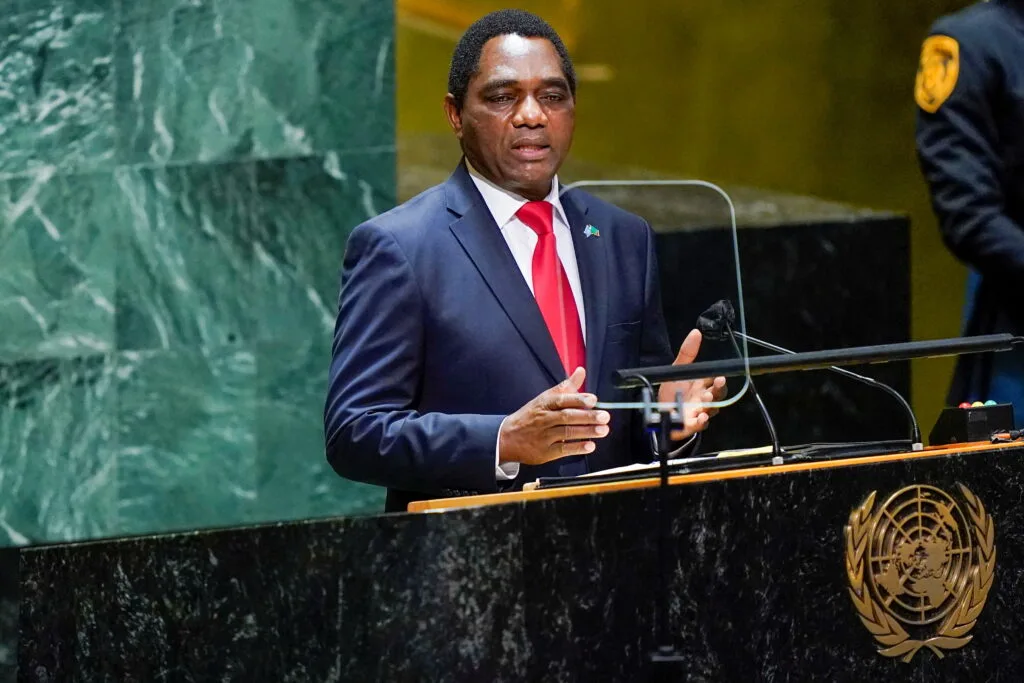
Zambia continues to grapple with significant debt challenges, with nearly $7 billion pending resolution, even after a deal with bilateral lenders last year addressed over $6 billion. The remaining $7 billion debt is owed to bondholders and commercial banks, and Zambia’s pursuit of debt relief has been a protracted and challenging journey.
Despite a deal reached last October to restructure approximately $3 billion of debt with bondholders, the agreement was rejected by official creditors co-led by France, China, and South Africa. They argued that the terms agreed upon by Lusaka and bondholders did not align with the concessions granted by official lenders.
Andrew Chibuye, the Country Senior Partner at PWC in Zambia, sheds light on the copper-producing nation’s ongoing quest for debt relief. Zambia’s experiences are closely monitored by other African nations, such as Ethiopia and Ghana, which are next in line for debt restructuring.
Meanwhile, China maintains its position as Africa’s largest trading partner for the 15th consecutive year, with commerce between China and Africa reaching $282 billion in 2023, marking a 1.5% growth. Chinese exports to African nations increased by 7.5% to $173 billion, while imports from Africa declined by 6.7% to $109 billion. Beijing’s trade surplus expanded to $64 billion in 2023.
The export of raw materials and commodities has been identified as a key factor contributing to structural weaknesses in African economies. However, the combined impact of global shocks from pandemics and conflicts is accelerating efforts by African countries to industrialize. Manufacturers at an exhibition in Cameroon are exploring ways to leverage the African Continental Free Trade Area (AfCFTA) and tap into international markets amid these transformative shifts.