Zambia Approves $971.5 Million in Energy Sector Investments
Zambia’s Energy Regulation Board (ERB) has approved licences, construction permits and licence inclusions linked to proposed investments worth about ZMW18.4 billion ($971.5 million) across the electricity, renewable energy and downstream petroleum sectors. The approvals, announced on 17 August 2026, cover 23 licences, 20 construction permits and licence inclusions. They include renewable-energy equipment manufacturing and supply,
Zambia Approves $971.5 Million in Energy Sector Investments
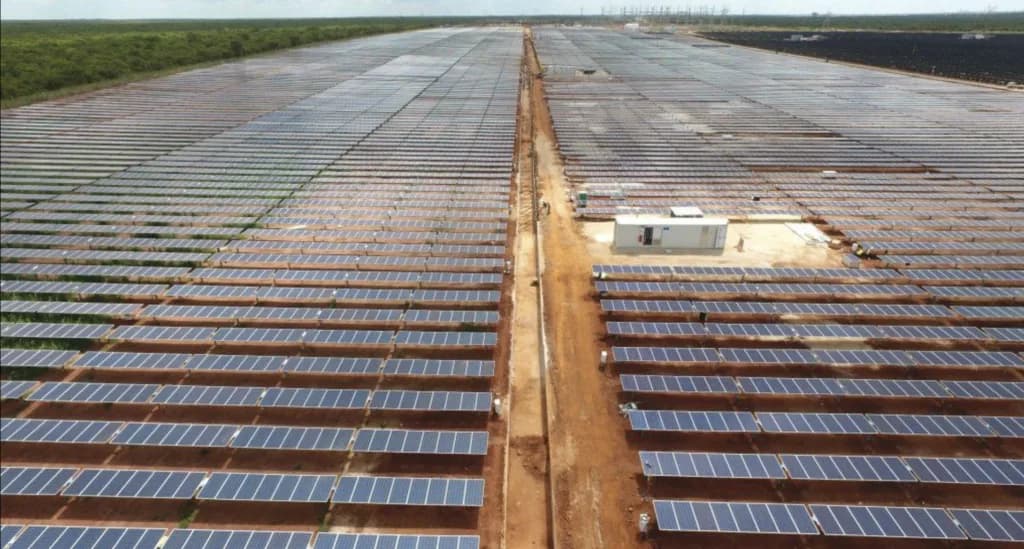
Zambia’s Energy Regulation Board (ERB) has approved licences, construction permits and licence inclusions linked to proposed investments worth about ZMW18.4 billion ($971.5 million) across the electricity, renewable energy and downstream petroleum sectors. The approvals, announced on 17 August 2026, cover 23 licences, 20 construction permits and licence inclusions. They include renewable-energy equipment manufacturing and supply, petroleum transportation and distribution, lubricant imports and blending, as well as the authorisation of 116 petroleum transporters. The regulator also approved the commissioning of five retail service stations and two utility-scale solar projects.
Solar Projects Add to Zambia’s Power Pipeline
The electricity-related approvals come as Zambia continues to deal with a gap between domestic generation and demand. Severe drought reduced hydropower output, leaving the country increasingly reliant on imports while demand from households, mines and businesses continues to grow.
In February, the government told Parliament that available domestic generation had fallen to 1,635 MW, against demand of about 2,400 MW. At the time, Zambia required around 511 MW of electricity imports to meet the shortfall.
The International Monetary Fund expects the electricity deficit to remain a challenge in 2026, with new generation still insufficient to meet rising demand.
The two utility-scale solar projects add to efforts to increase non-hydro generation. The ERB’s 2025 Energy Sector Report estimated that projects already in the pipeline could add about 500 MW of renewable generation capacity in 2026, as projects linked to the government’s 1,000 MW solar target are expected to come online. The latest ERB statement does not specify the expected generation capacity or investment value of the two newly approved solar projects.
Petroleum Approvals Cover Transport and Distribution
The latest approvals also cover Zambia’s downstream petroleum sector, which remains dependent on imported fuel. As a landlocked country, Zambia receives petroleum products through neighbouring countries before distributing them through road and pipeline networks. Demand is also expected to increase as mining, agriculture, industrial activity and population growth expand.
The approval of 116 petroleum transporters, together with licences covering petroleum transportation and distribution, adds capacity within that supply chain. The developments come alongside wider changes in Zambia’s petroleum sector. In July, the government said petroleum-procurement debt had fallen from more than $900 million in 2022 to about $210 million.
The government also attributed part of the reduction in diesel prices to the TAZAMA Open Access Framework, with the diesel pump price falling from K32.54 per litre in March 2025 to K28.11 in July 2026. Strategic fuel stocks were reported at 21 days for diesel and 15 days for petrol.
Approvals Still Need to Translate Into Projects
For the electricity sector, regulatory approval is only one step before new generation reaches the grid. Projects still need to secure financing, complete construction and reach commercial operation. The ERB has previously identified financial close as a constraint on renewable-energy development, pointing to weaknesses in project conceptualisation, financial modelling and project packaging.
That makes the progress of the two newly approved solar projects important. Their contribution to Zambia’s electricity supply will depend on how quickly they move from regulatory approval to financing, construction and generation.