CEC’s Solar Strategy Targets 800 MW for Zambia by 2027
Zambia’s Copperbelt Energy Corporation (CEC) is leading a large-scale solar energy rollout that will add more than 800 megawatts (MW) of clean power to the national grid by the end of 2027. This effort marks a pivotal shift in Zambia’s energy strategy as the country works to reduce its reliance on hydropower amid climate-driven water
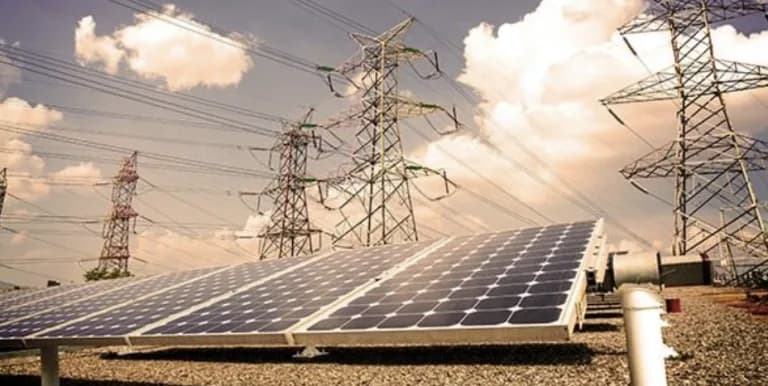
CEC’s Solar Strategy Targets 800 MW for Zambia by 2027
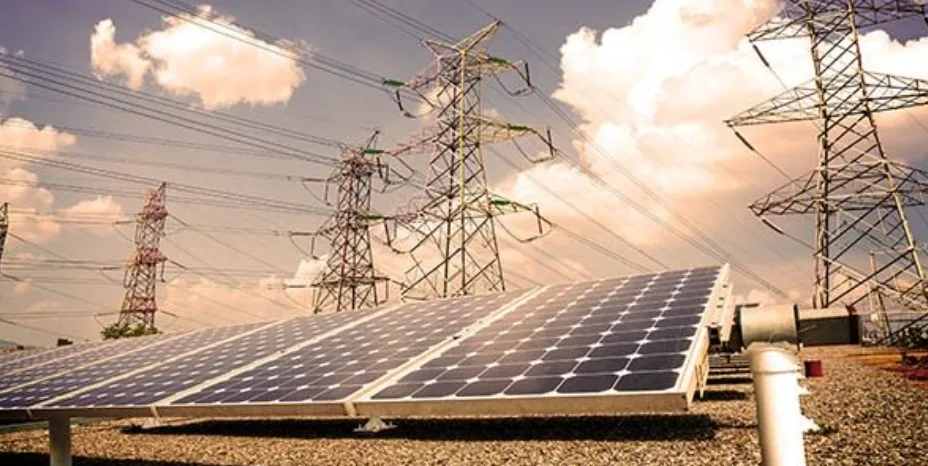
Zambia’s Copperbelt Energy Corporation (CEC) is leading a large-scale solar energy rollout that will add more than 800 megawatts (MW) of clean power to the national grid by the end of 2027. This effort marks a pivotal shift in Zambia’s energy strategy as the country works to reduce its reliance on hydropower amid climate-driven water shortages.
For years, hydropower from the Kariba Dam has dominated Zambia’s electricity supply. When water levels remain high, the dam delivers around 3 gigawatts (GW) of electricity exceeding the country’s 2.5 GW demand. However, recurring droughts and reduced rainfall in the Zambezi and Kafue River catchments have slashed generation capacity, triggering a 1.3 GW shortfall. As a result, load shedding and power rationing now frequently disrupt households, businesses, and Zambia’s critical mining industry.
The Green Alternative
To stabilize supply and build resilience, CEC has aggressively scaled up solar energy investments. The company already operates 94 MW of solar power and supplements it with 80 MW of diesel-powered emergency turbines. These resources primarily serve its core customers mines in the Copperbelt and Katanga Province in the Democratic Republic of Congo.
Driving the Expansion
CEC continues to push forward major solar projects, including the 136 MW Itimpi plant near Kitwe and the 12 MW Fitula plant in Chingola. Both remain on track for commissioning in the first quarter of 2026 and will meaningfully boost the local energy mix. In addition, the 25 MW Global Energy Transfer Feed-in Tariff (GETFiT) project aims to reach financial close in the third quarter of 2025, expanding CEC’s renewable portfolio even further.
A Landmark 500 MW Co-Development with ZESCO
CEC’s most ambitious project yet is a 500 MW solar plant being developed in partnership with Zambia’s national utility, ZESCO. The rollout will occur in two phases of 250 MW each. The companies plan to reach financial close on the first phase by the end of 2025 and expect to complete construction within 12 months. They aim to begin operations by the end of 2026.
CEC has already launched key feasibility efforts, including site selection, grid integration studies, and environmental and social assessments.
“We have a fast-track execution approach. Immediately we reach financial close, we want the project done within 12 months,” says Hilton Fulele, CEC Renewables Asset Manager, in an exclusive interview with Engineering News Online.
Supportive Policies and Growing Investment
Zambia’s renewable energy sector continues to attract investment thanks to a supportive policy landscape. Power Purchase Agreements (PPAs) and incentives for Independent Power Producers (IPPs) have helped position Zambia as a leading destination for clean energy investors. CEC’s solar push directly supports the country’s ambition to build a low-carbon, resilient energy system and participate more fully in regional power trade through the Southern African Power Pool (SAPP).
Toward Inclusive Energy Security
Despite these advances, more than 60% of Zambians still lack access to reliable electricity. CEC’s solar expansion offers more than just a response to climate and supply crises it represents a bold move toward inclusive, long-term energy security. it is therefore in my opinion that all the current solar plants and green power being fed into the national grid translates Into less loadsheding hours so that the country’s SMEs can directly benefit from all the new projects like the just commisioned chisamba solar plant and the solar expansion project from CEC through more business running hours for small businesses.