Xiaomi's Electric Vehicle Debut Sparks Surge in Hong Kong Trading
Xiaomi Corp. witnessed a remarkable surge in its stock price on the Hong Kong market, buoyed by robust orders for its inaugural electric vehicle (EV) launch, signalling optimism for the smartphone giant's venture into China's fiercely competitive automotive landscape. On the first day of trading following the commencement of sales for its cars, Xiaomi shares
Xiaomis-Electric-Vehicle-Debut-Sparks-Surge-in-Hong-Kong-Trading
Xiaomi Corp. witnessed a remarkable surge in its stock price on the Hong Kong market, buoyed by robust orders for its inaugural electric vehicle (EV) launch, signalling optimism for the smartphone giant’s venture into China’s fiercely competitive automotive landscape.
On the first day of trading following the commencement of sales for its cars, Xiaomi shares soared by as much as 16%. The company reported an impressive uptake, with orders for nearly 90,000 units received within the initial 24-hour window.
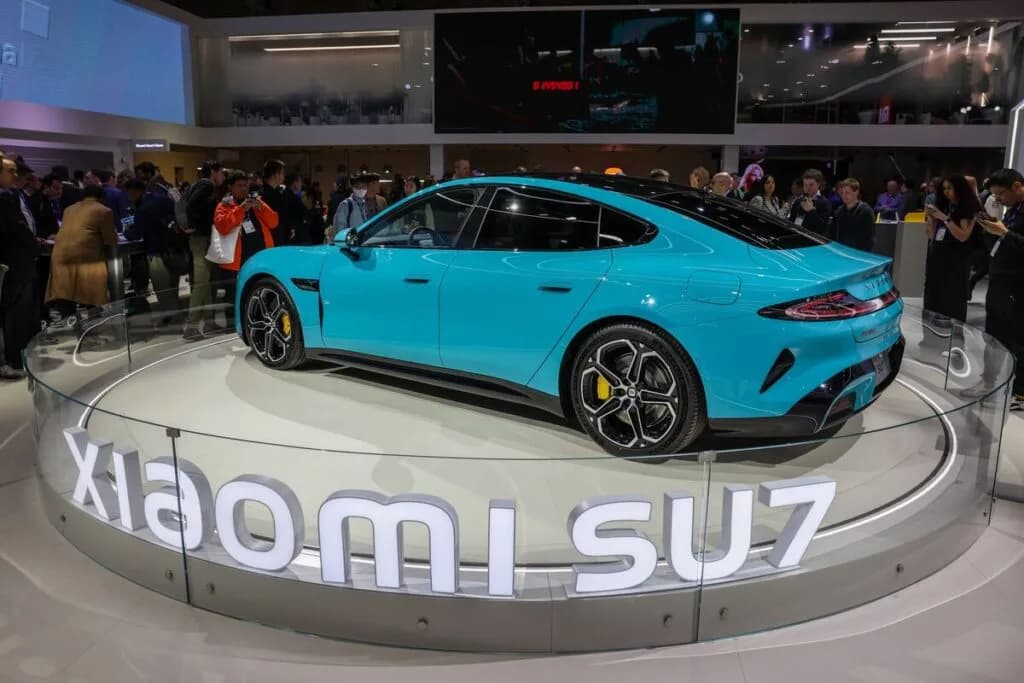
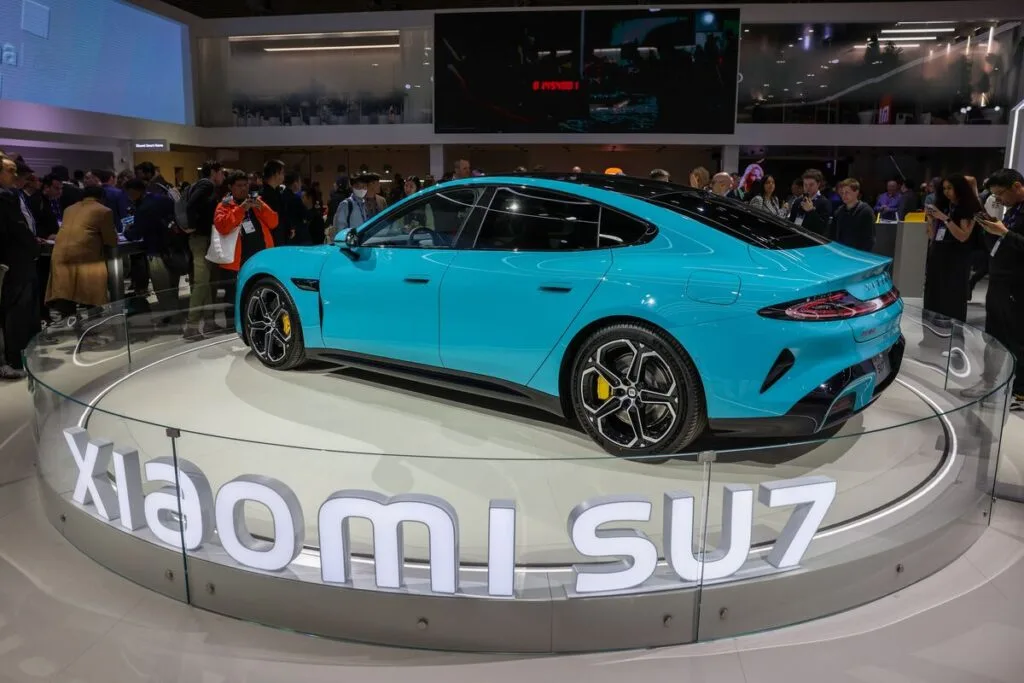
Analysts have hailed the strong demand for Xiaomi’s SU7 model, surpassing expectations and positioning it as a formidable contender in the premium EV sedan segment, potentially rivalling Tesla Inc.’s popular Model 3 in the Chinese market.
Goldman Sachs Group Inc. forecasts that orders for Xiaomi’s EVs could hit 100,000 units by the end of the year, while Citigroup Inc. estimates full-year sales in the range of 55,000 to 70,000 units.
However, attention now shifts to Xiaomi’s manufacturing capabilities and its ability to meet the burgeoning demand. Analysts at Goldman Sachs, including Timothy Zhao, emphasize that ramping up manufacturing capacity will be a critical focus in the coming months, particularly as the waiting time for the SU7 has extended to 18-21 weeks compared to the initial 5-8 weeks.
The global EV market, once ripe with subsidy-driven growth opportunities, has transformed into an intensely competitive arena. China’s electric car market, in particular, is expected to witness a slowdown for the second consecutive year, with growth projected to decline to 25% in 2024 from 36% in the previous year and 96% in 2022.
Xiaomi’s strong market entry poses a potential threat to established competitors. Rivals such as XPeng Inc. and BYD Co. may need to adjust their pricing strategies to remain competitive, according to analysts at Citigroup, including Jeff Chung.
Following Xiaomi’s surge, XPeng experienced a decline of up to 9% in Hong Kong trading, while BYD saw a 2.9% increase, reflecting the shifting dynamics and heightened competition within China’s EV landscape.