Xiaomi reveals the EV SU7 sedan
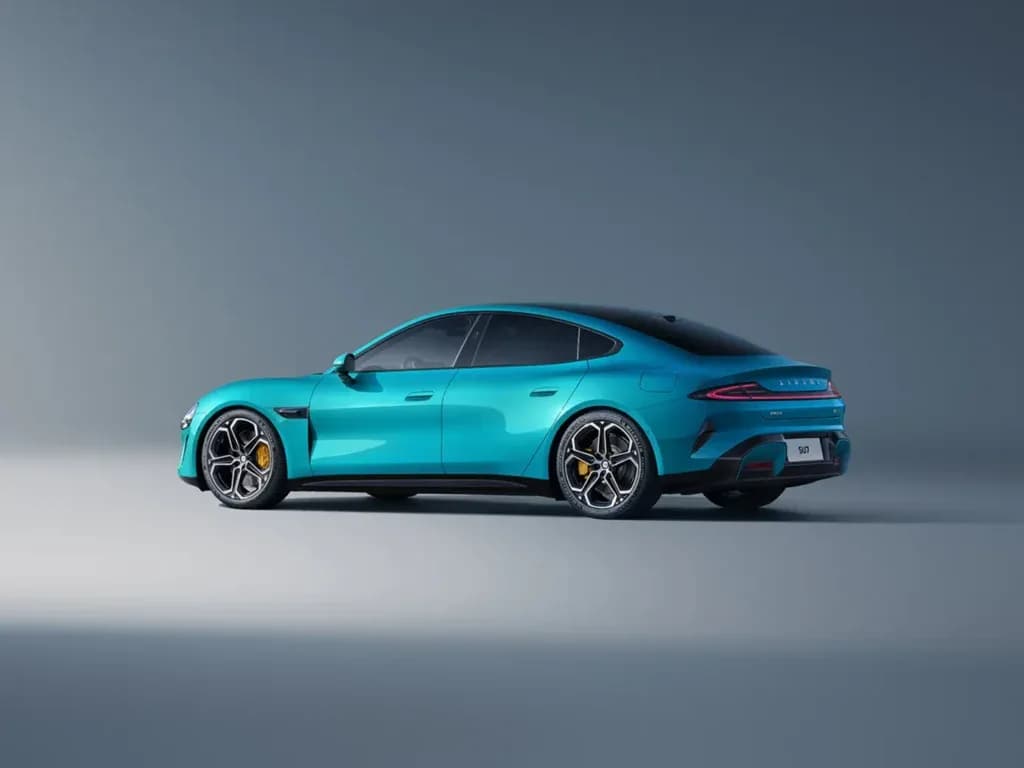
Xiaomi, the renowned Chinese smartphone manufacturer, has unveiled its inaugural electric vehicle, the SU7 sedan. Set to debut in the Chinese market next year, Xiaomi's entry into the electric vehicle (EV) sector highlights the company's ambition to merge the sophisticated technology found in smartphones with automobile interiors. Xiaomi's potential success could be attributed to its
Xiaomi-reveals-the-EV-SU7-sedan
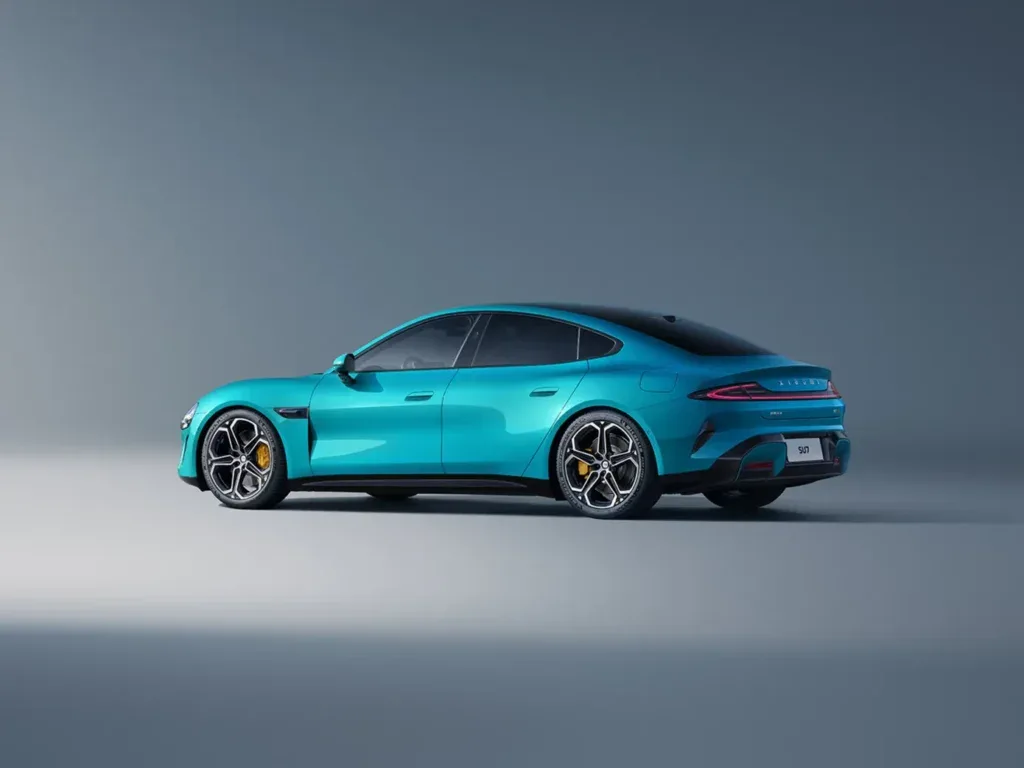
Xiaomi, the renowned Chinese smartphone manufacturer, has unveiled its inaugural electric vehicle, the SU7 sedan.
Set to debut in the Chinese market next year, Xiaomi’s entry into the electric vehicle (EV) sector highlights the company’s ambition to merge the sophisticated technology found in smartphones with automobile interiors.
Xiaomi’s potential success could be attributed to its proprietary “HyperOS.” Developed over six years, this versatile system aims to provide users with a cohesive experience, seamlessly integrating applications and user preferences across various platforms, be it smartphones, smart home systems, or automobiles.
While this integration concept isn’t novel, with Faraday Future’s initial EV venture in China echoing a similar vision, past endeavors haven’t consistently delivered. Companies like Apple, with its CarPlay, and Google, through Android Auto, have tried to replicate smartphone experiences on vehicle screens. Google even ventured into developing an Android version tailored for comprehensive in-car infotainment systems, collaborating with several automotive manufacturers. Apple’s progress, although slower, recently announced its first partners.
However, managing all aspects internally poses challenges. Apple’s longstanding car project has witnessed shifts in direction. Volkswagen’s attempts to establish a formidable in-car software team encountered hurdles. Tesla, on the other hand, has successfully crafted an immersive software experience for its vehicles, opting out of CarPlay and Android Auto to retain screen control.
Yet, Xiaomi’s approach seems distinct. Benefiting from China’s dominant EV supply chain and the rapid evolution and cost reduction of EV tech, Xiaomi, backed by strong financial resources, can envision creating a vehicle tailored for its software ecosystem. While Huawei also supports an EV startup in China, Xiaomi’s venture appears more comprehensive.
Regarding specifications, Xiaomi’s claims are noteworthy. The top-tier model boasts an impressive range of 800 km (approximately 500 miles) on a full charge, utilizing a 101kWh battery from the Chinese titan, CATL. A more basic version, equipped with a 73.6kWh battery, targets a range of 668 km (about 415 miles) on a single charge. These vehicles promise rapid charging capabilities, achieving 220 km in just five minutes, with an acceleration from 0 to 100 km/h in a mere 2.78 seconds. Pricing details remain undisclosed.
Nevertheless, Xiaomi faces the quintessential challenge confronting all new automakers: constructing vehicles at scale that prioritize reliability and safety, irrespective of technological advancements. While Xiaomi aims to refine the in-car experience, the broader challenges of automotive manufacturing remain intricate.