United States Tariffs Loom Over SA Exports, but Hopes Remain
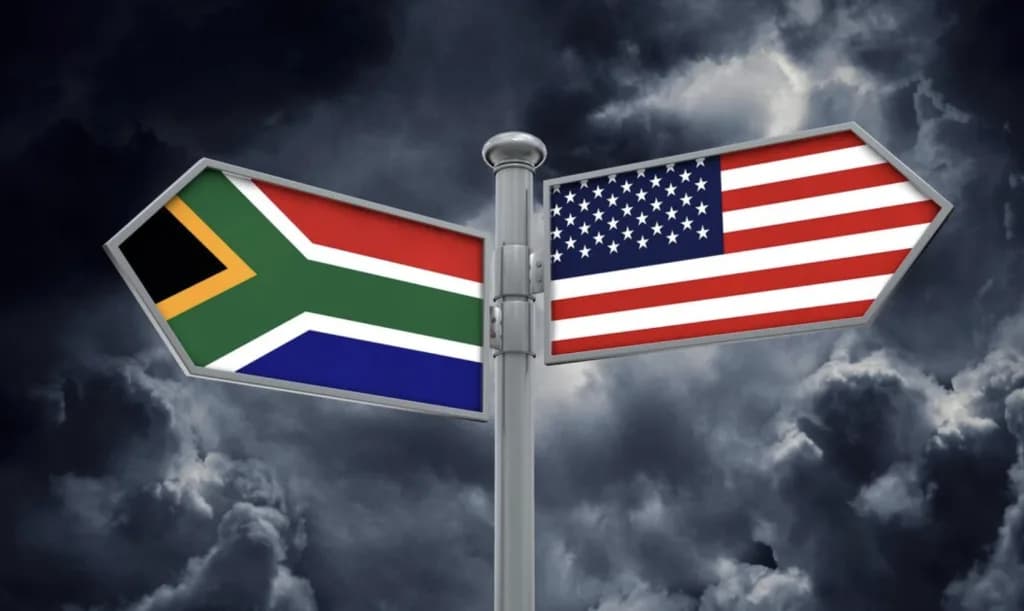
With less than 48 hours before the United States enforces a sweeping 30% tariffs on South African exports, exporters across multiple sectors brace for a significant blow to trade flows and profitability. The looming trade barrier follows months of stalled negotiations between Pretoria and Washington and threatens some of South Africa’s most valuable export categories,
United States Tariffs Loom Over SA Exports, but Hopes Remain
With less than 48 hours before the United States enforces a sweeping 30% tariffs on South African exports, exporters across multiple sectors brace for a significant blow to trade flows and profitability. The looming trade barrier follows months of stalled negotiations between Pretoria and Washington and threatens some of South Africa’s most valuable export categories, from automotive products to fresh produce and metals.
Automotive Sector in the Crosshairs
Passenger vehicles and automotive parts rank among the largest South African exports to the United States, and the 30% tariff could have a sharp impact. German manufacturers such as BMW and Mercedes-Benz, which produce popular models in South Africa for U.S. markets, may reduce shipments or absorb steep costs. Industry insiders warn that the combined effect of the new tariff and existing import duties could make South African-made vehicles uncompetitive in the U.S., jeopardizing jobs and production volumes at domestic plants.
Citrus and Nuts at Risk
Agricultural exporters share similar concerns, particularly in the citrus and tree nut industries. South Africa supplies significant volumes of oranges, soft citrus, grapefruit, and macadamias to the U.S. market. These products typically operate on tight margins and rely on favorable duty-free or low-duty arrangements under the African Growth and Opportunity Act (AGOA). A blanket 30% tariff would erode competitiveness almost overnight, forcing producers to seek alternative buyers in Europe, the Middle East, and Asia.
Steel and Aluminium Already Struggling
South Africa’s metals sector has faced mounting pressure since the U.S. raised global steel and Aluminium tariffs to 50% in June 2025. The new tariff adds another layer of cost to shipments not covered by the existing Section 232 duties, particularly for niche metal products. Analysts warn that some exporters may exit the U.S. market entirely, further tightening margins in an industry already grappling with overcapacity challenges.
Ripple Effects Across Manufacturing
Beyond these headline sectors, the tariff threatens a broad range of manufactured goods and processed exports, including chemicals and machinery. Many of these products currently enjoy AGOA preferences, which the new tariff rate would effectively nullify. Trade economists caution that the loss of preferential access could weaken South Africa’s manufacturing base, undermining a key pillar of job creation and foreign exchange earnings.
With the deadline fast approaching, Pretoria continues efforts to secure exemptions or concessions from Washington but has yet to achieve a breakthrough. Businesses wait for clarity, though many still hope that last-minute negotiations could avert the worst-case scenario. Until then, the full impact on South Africa’s competitiveness, jobs, and investment in one of its key export markets remains in the balance.