Zambia’s copper boom could give local SMEs a bigger role
When people talk about Zambia's copper industry, the conversation usually goes straight to the big mining companies and how much copper the country can produce. For small businesses, there is another side to it. If mining activity increases, somebody has to supply the mines. That could be a transport company in Copperbelt, a small engineering
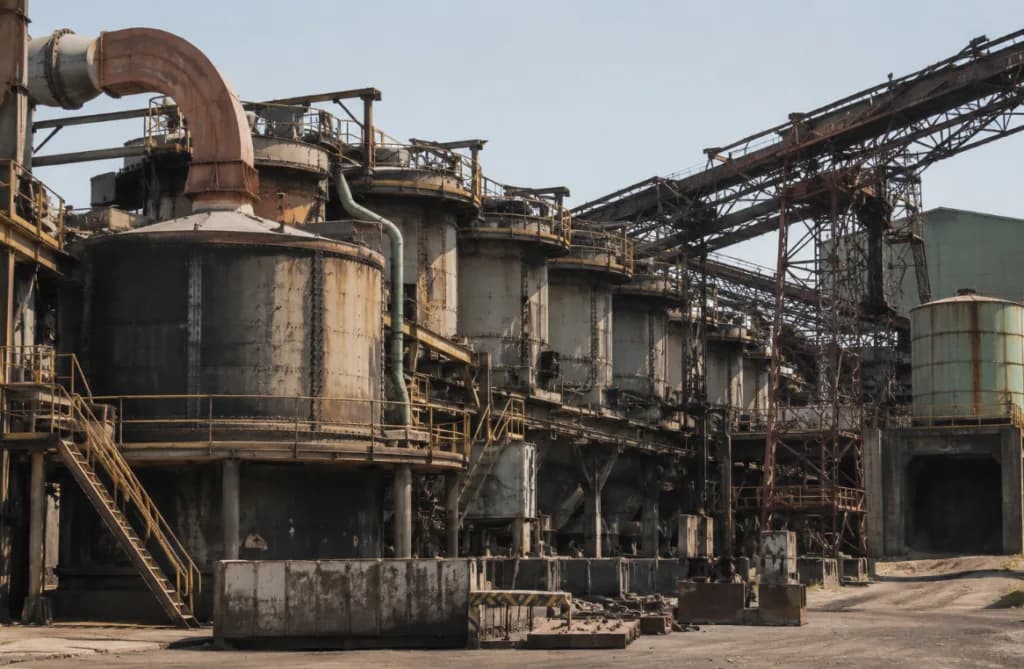
Zambia’s copper boom could give local SMEs a bigger role
When people talk about Zambia’s copper industry, the conversation usually goes straight to the big mining companies and how much copper the country can produce. For small businesses, there is another side to it. If mining activity increases, somebody has to supply the mines. That could be a transport company in Copperbelt, a small engineering business, a food supplier, a security company or a startup building software for companies that need to keep track of equipment and orders. The business opportunity may not be in copper itself. It could be in everything around it.
Some local businesses are already getting work
There is already an example of this at Mopani Copper Mines. The company said its supplier development programme generated more than ZMW20 million in orders for 15 local businesses between January and June 2026. Mopani also plans to bring another 60 local companies into the programme. For a small business, an order from a mining company can be significant. It can mean buying another vehicle, taking on workers or having enough revenue to move into a bigger contract. It also gives the business a customer that can help build its track record.
The opportunities are not difficult to see
Mines need plenty of services that have nothing to do with extracting copper.
They need trucks and machinery maintained.
They need food delivered to workers.
They need protective clothing and equipment.
They need security.
They need waste removed.
They need accommodation, transport and cleaning services.
They also need technology.
A startup could build a system that helps suppliers manage orders. Another could help with stock tracking or payments. These are ordinary business problems, but mining companies spend money solving them.
The difficult part is becoming a supplier
This is where many smaller businesses could struggle. A mining company cannot necessarily give a large contract to a business that has only handled small orders. There may be requirements around safety, insurance, equipment, staff, certifications and previous experience. Then there is the money needed to do the work. A supplier might need to buy materials and pay workers before receiving payment from the mining company. For a small business, that can put a lot of pressure on cash flow. So getting more SMEs into the mining supply chain is not just about finding contracts. They also need access to finance and help meeting the requirements of larger buyers.
More copper could mean more business around the mines
Zambia wants to increase copper production as demand for the metal grows. That means mining companies will need to spend more on equipment, transport, power, maintenance and other services. If more of that spending goes to Zambian companies, the impact can reach well beyond the mines. A local transport company hires drivers. An engineering business buys equipment. A food supplier hires more staff. Those businesses then spend money with other businesses. That is where the copper industry can have a bigger effect on the local economy.
The government has a role to play
Zambia’s mining sector cannot simply be told to use more local suppliers and then be left to figure out the rest. Small businesses need to know what mining companies are looking for. They need access to finance. They need training where there are gaps. And they need a fair chance to compete for contracts. There is also the question of processing. If Zambia can do more with its copper before it leaves the country, the number of businesses involved could increase. That would create opportunities for manufacturers, engineering companies and other suppliers instead of keeping most of the value around the mines.
The election is only part of the story
Zambia’s August 13 election has put the country’s economy and mining sector under scrutiny. But for SMEs, the bigger question is what happens after the votes are counted.If copper production increases, will local companies get more of the work? Will smaller suppliers be able to access finance? Will mining companies buy more goods and services from Zambian businesses? Will the country build the infrastructure needed to support those businesses? Those decisions will matter to entrepreneurs just as much as the copper production figures.
The real opportunity may be in the supply chain
A startup does not need to discover a new copper deposit to benefit from Zambia’s mining industry. It may only need to solve a problem that mining companies already have.
Moving equipment.
Repairing machinery.
Supplying food.
Managing stock.
Providing software.
Handling waste.
These businesses may not make the headlines when copper production rises, but they can benefit from the money being spent around the mines. Zambia already has the copper. The bigger question for its SMEs is whether they can become part of the business built around it.