WeWork files for bankruptcy
WeWork, the office-sharing company backed by SoftBank, filed for Chapter 11 bankruptcy protection in the United States after its business model was upended by remote work trends. The filing represents an admission by key investor SoftBank that WeWork's survival depends on using bankruptcy to renegotiate costly leases. SoftBank owns approximately 60% of WeWork. According to
WeWork files for bankruptcy
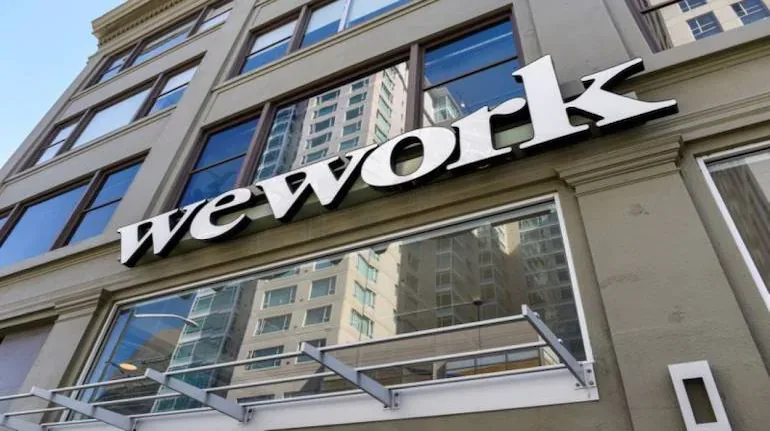
WeWork, the office-sharing company backed by SoftBank, filed for Chapter 11 bankruptcy protection in the United States after its business model was upended by remote work trends.
The filing represents an admission by key investor SoftBank that WeWork’s survival depends on using bankruptcy to renegotiate costly leases. SoftBank owns approximately 60% of WeWork.
According to WeWork, about 92% of lenders have agreed to a restructuring deal to convert debt into equity, wiping out around $3 billion in debt. WeWork aims to maintain normal operations throughout the proceedings.
The company’s expansion under co-founder Adam Neumann was underpinned by breakneck growth at the expense of profitability. His ouster in 2019 derailed plans for an IPO.
SoftBank stepped in with more funding and installed new leadership, but was ultimately forced to take WeWork public last year at a vastly reduced $8 billion valuation.
While WeWork renegotiated some leases, it remained weighed down by long-term agreements that became unprofitable amid remote work’s rise. Unable to achieve profitability, WeWork filed for bankruptcy after creditors refused an interest payment extension.
The Chapter 11 filing will allow WeWork to potentially exit expensive leases and rightsize its real estate footprint. But competition from landlords offering flexible offices themselves continues to pressure WeWork’s business model.