Uganda adopts first new oil policy since 2008 as production approaches
Uganda has introduced a new national oil policy for the first time in more than a decade. The Development comes as the country draws closer to commercial production. The Ministry of Energy presented the 2025 National Oil Policy on April 28 at the 11th Oil and Gas Convention in Kampala. Officials finalised the framework in

Uganda adopts first new oil policy since 2008 as production approaches

Uganda has introduced a new national oil policy for the first time in more than a decade. The Development comes as the country draws closer to commercial production. The Ministry of Energy presented the 2025 National Oil Policy on April 28 at the 11th Oil and Gas Convention in Kampala. Officials finalised the framework in October 2025, and Cabinet approved it soon after. It replaces the previous policy adopted in 2008.
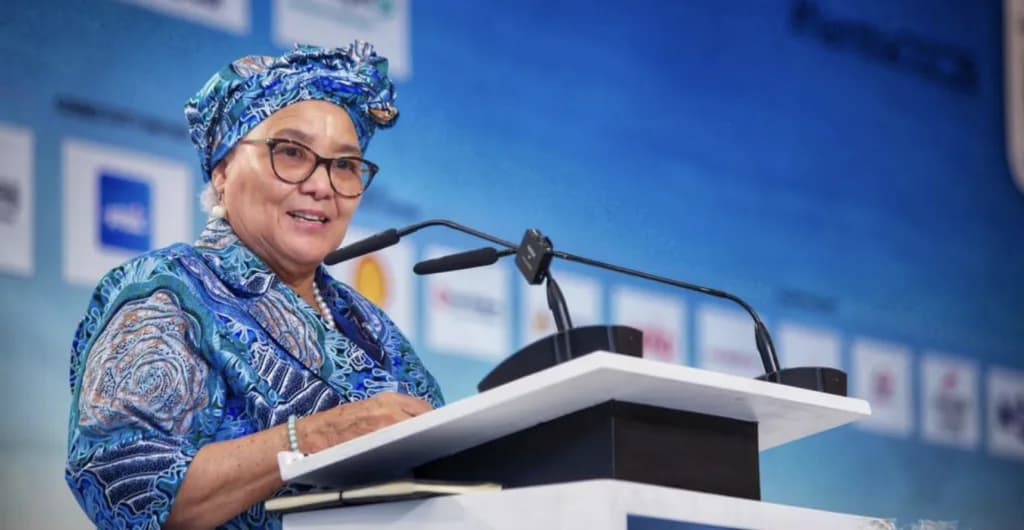
Energy Minister Ruth Nankabirwa said the policy will guide the sector at a decisive stage as Uganda prepares to begin production. She said the key question is no longer whether Uganda will produce oil, but when and how well it will manage that production. The policy sets out nine priorities, including expanded exploration, stronger downstream capacity, and greater participation by local firms. Officials also highlighted commitments to environmental oversight and improved transparency. The framework introduces a more adaptable licensing system that combines competitive bidding with direct applications to attract investors and speed up project development.
Major projects near completion ahead of expected 2026–2027 output
The rollout of the new policy comes as major oil projects move closer to completion. TotalEnergies has drilled 145 of the 152 planned wells at the Tilenga project. CNOOC has pushed the Kingfisher field to about 70% completion. Crews have built 82% of the East African Crude Oil Pipeline, which stretches 1,443 kilometers from Uganda to Tanzania’s port of Tanga.
These developments show steady progress as Uganda targets first commercial oil production in the 2026–2027 fiscal year, according to Ernest Rubondo. Developers expect the planned Hoima refinery, with a capacity of 60,000 barrels per day and an estimated cost of $4 billion, to reach a final investment decision in July 2026. The new policy also backs a third licensing round for exploration blocks scheduled for the same fiscal year. Officials say the updated framework provides the legal and regulatory footing needed to move ahead, and Thomas Tayebwa said the focus now shifts to execution.