Uganda Adds 24 MWp of Solar Capacity as Ituka Plant Starts Grid Supply
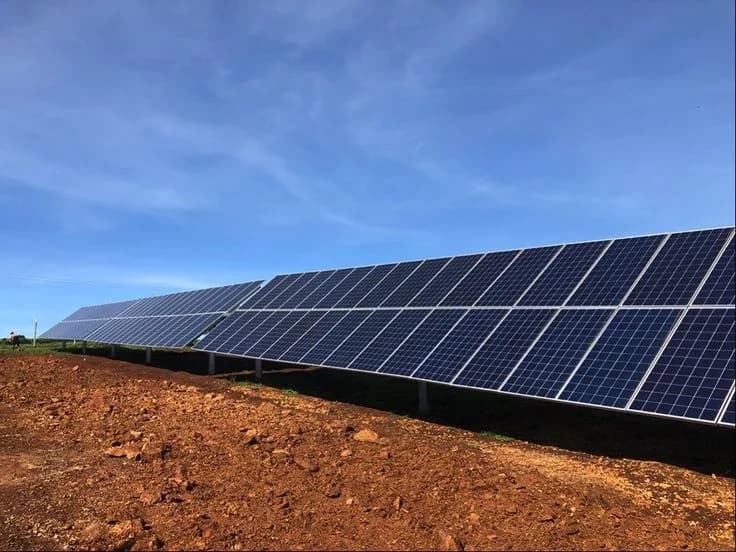
Uganda has added new solar generation capacity after AMEA Power energized the 24 MWp Ituka Solar PV Plant in Madi Okollo District, northwest Uganda. The project has started feeding electricity into the national grid and is expected to strengthen supply in the West Nile region, which was connected to the national grid in 2024. AMEA
Uganda Adds 24 MWp of Solar Capacity as Ituka Plant Starts Grid Supply
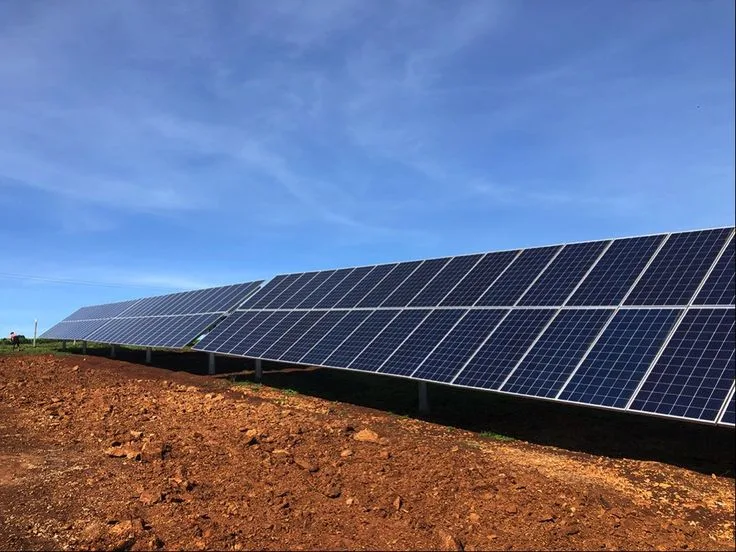
Uganda has added new solar generation capacity after AMEA Power energized the 24 MWp Ituka Solar PV Plant in Madi Okollo District, northwest Uganda. The project has started feeding electricity into the national grid and is expected to strengthen supply in the West Nile region, which was connected to the national grid in 2024. AMEA Power announced on 11 August that the plant had been energized ahead of commercial operations. The project includes a 25 MVA substation operating at 132/33 kV, while its grid injection capacity stands at 20 MWac. Uganda Electricity Transmission Company Limited (UETCL) will purchase the electricity under a power purchase agreement.
Ituka Adds Capacity to West Nile Grid
The project comes about two years after the West Nile region was connected to Uganda’s national grid through the 132 kV Kole-Gulu-Nebbi-Arua transmission line in August 2024. Before the interconnection, the region relied heavily on local generation and experienced power shortages and recurring outages. Ituka adds new generation capacity to the region as Uganda continues expanding the national transmission network.
At the national level, Uganda had around 2,100 MW of installed electricity capacity at the end of 2025, according to the Electricity Regulatory Authority (ERA), against peak demand of approximately 1,345 MW. Hydropower remains the dominant source of electricity generation, while solar accounts for a smaller share of the country’s power mix.
The Ituka project adds solar generation in a region that only recently gained access to the national grid. Its connection also comes as Uganda expands renewable energy capacity and works to integrate additional generation into its developing electricity system. For businesses in West Nile, the additional capacity could support greater investment in electricity-dependent operations, including refrigeration, milling, agricultural processing and ICT services. This could help local startups and SMEs move beyond trading raw agricultural products into processing and other value-added activities that require more dependable power.