Transport Strike Disrupts Nairobi as Fuel Prices Rise
Transport operators in Nairobi, including ride-hailing drivers, public transport crews, and long-distance truckers, went on strike on Monday over rising fuel prices and reported shortages, disrupting movement across Kenya’s capital. The action adds to growing pressure on the country’s economy as fuel costs continue to climb amid tensions in the Middle East. A spot check
Transport Strike Disrupts Nairobi as Fuel Prices Rise
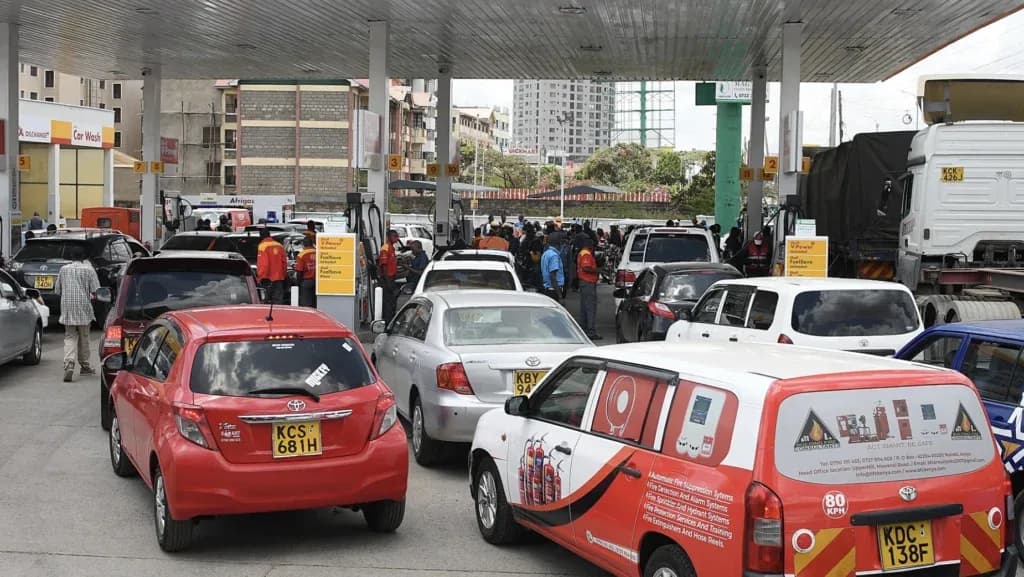
Transport operators in Nairobi, including ride-hailing drivers, public transport crews, and long-distance truckers, went on strike on Monday over rising fuel prices and reported shortages, disrupting movement across Kenya’s capital. The action adds to growing pressure on the country’s economy as fuel costs continue to climb amid tensions in the Middle East.
A spot check across multiple bus stops in the city showed large numbers of commuters stranded, with few vehicles operating. Many were unable to get to work as operators kept buses and minibuses off the roads. The disruption extended beyond transport, with several schools remaining closed for the day while some businesses asked employees to work from home. Concerns are growing that the situation could develop into one of the most significant transport disruptions in recent years if it continues.
Fuel Prices and Industry Response
The strike follows last week’s fuel price adjustments by the Energy and Petroleum Regulatory Authority (EPRA), which increased petrol prices by KES 16.65 ($0.13) per litre and diesel by KES 46.29 ($0.36). Diesel, widely used by public transport and freight operators, is now selling at KES 242.92 ($1.88) per litre, while petrol has risen to KES 214.25 ($1.66).
In a statement, the Transport Sector Alliance said the strike had brought together multiple segments of the industry, including passenger transport, cargo and logistics, ride-hailing services, motorcycle operators, and private motorists. The group described the action as one of the most coordinated in the country’s transport sector. Ride-hailing drivers also stayed off the roads, with some avoiding certain areas due to safety concerns, while others turned to off-app trips and negotiated fares directly with commuters affected by the shortage of vehicles.
Supply Pressure and Uncertain Timeline
The disruption has renewed concerns over fuel supply in Kenya, which relies almost entirely on imported petroleum products through a government-to-government arrangement with suppliers in the United Arab Emirates and Saudi Arabia. Introduced in 2023, the deal was meant to ease pressure on foreign currency reserves and stabilise prices.
However, reports of intermittent shortages in parts of the country over the past month have raised questions about supply stability. Rising geopolitical tensions in the Middle East could place further strain on supply chains and keep prices elevated. The Transport Sector Alliance has also criticised fuel costs in Kenya, noting that prices remain higher than in some neighbouring countries, including Ethiopia.
There is no clear timeline for when the strike will end, with operators indicating that services will only resume once fuel prices are reviewed or government measures are introduced.