Policy Uncertainty and Political Risks in African Trade Governance
Trade policy in Africa often moves faster than the businesses it governs. Companies invest in supply chains, logistics networks, and export relationships that take years to build. Regulations, however, can shift overnight. A new tariff appears, a licensing rule changes, or a temporary export restriction is introduced to calm domestic political pressure. For firms operating
Policy Uncertainty and Political Risks in African Trade Governance
Trade policy in Africa often moves faster than the businesses it governs. Companies invest in supply chains, logistics networks, and export relationships that take years to build. Regulations, however, can shift overnight. A new tariff appears, a licensing rule changes, or a temporary export restriction is introduced to calm domestic political pressure. For firms operating across borders, these shifts turn trade policy into a moving target.
When Trade Rules Move Faster Than Markets
The problem is not regulation itself. Every trading system relies on rules. The challenge lies in how frequently those rules change and how little warning often accompanies them. Businesses can adapt to strict regulations if they remain consistent. What is far harder to manage is uncertainty. When policies change abruptly, companies are forced to rethink contracts, pricing strategies, and supply arrangements that may have taken years to negotiate.
Political pressure often drives these policy reversals. Governments facing currency shortages, inflation spikes, or rising food prices sometimes respond by tightening trade controls. Export bans, new import duties, or sudden licensing requirements are introduced to protect domestic markets or conserve foreign exchange. While such measures may address short-term economic concerns, they can also disrupt regional trade flows and weaken confidence among investors who depend on predictable operating conditions.
Regional Integration Meets Domestic Reality
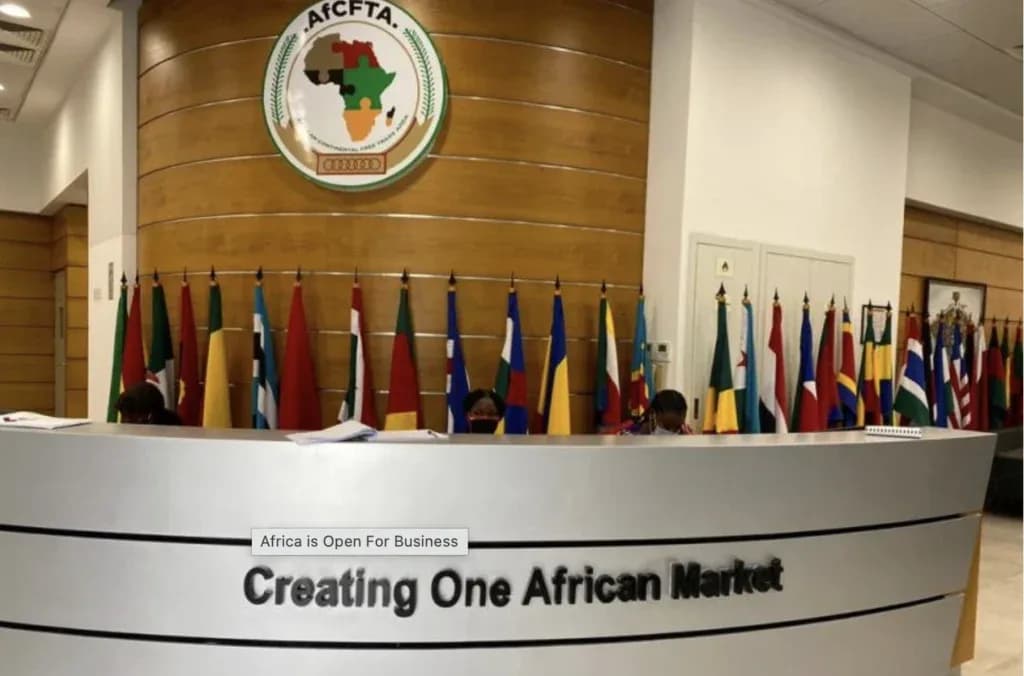
This tension becomes more visible as regional trade integration gains momentum. The African Continental Free Trade Area (AfCFTA) promises a single market that could reshape how goods move across the continent. Lower tariffs and harmonized standards are intended to encourage manufacturers to scale production beyond national borders. Yet regional ambition often collides with domestic policy realities. Governments that publicly support integration may still introduce national measures that complicate cross-border commerce.
Infrastructure alone cannot resolve these challenges. Roads, ports, and railways are essential for trade, but physical connectivity does not guarantee regulatory consistency. A well-built trade corridor loses much of its value if cargo is delayed by unexpected documentation requirements or sudden regulatory changes at the border. For logistics companies and exporters, administrative uncertainty can become as costly as poor infrastructure.
Investment and the Need for Predictability
Investors watch these dynamics closely. Trade-oriented industries such as manufacturing, agriculture, and processing depend heavily on predictable policy environments. Production decisions are rarely short-term; factories, distribution centers, and export networks require years to become profitable. When governments alter trade rules without clear timelines or consultation, companies may delay investment or redirect capital to markets where policy signals appear more stable.
None of this suggests that governments should abandon policy flexibility. Economic shocks, global price swings, and domestic political pressures often demand quick responses. But the frequency and unpredictability of some policy interventions raise broader questions about how trade governance is managed. Businesses do not simply need open markets; they need clarity about the rules under which those markets operate.
Africa’s trade potential remains significant. Regional demand is expanding, industrial ambitions are growing, and integration initiatives continue to evolve. Turning that potential into sustained economic activity will depend on something less visible than new infrastructure or trade agreements. It will depend on whether trade rules can remain stable long enough for businesses to trust them. Will the rules hold?