Dispute Settlement, Regulation and Predictability for SMEs in AfCFTA
Trade agreements do not function on tariff schedules alone. For small and medium-sized enterprises SMEs, their value depends on whether rules and regulation can be enforced in a predictable and accessible way. Under the African Continental Free Trade Area (AfCFTA), dispute settlement mechanisms are intended to provide that certainty, giving smaller businesses greater confidence to
Dispute Settlement, Regulation and Predictability for SMEs in AfCFTA
Trade agreements do not function on tariff schedules alone. For small and medium-sized enterprises SMEs, their value depends on whether rules and regulation can be enforced in a predictable and accessible way. Under the African Continental Free Trade Area (AfCFTA), dispute settlement mechanisms are intended to provide that certainty, giving smaller businesses greater confidence to operate across borders.
Structure and Implications for SMEs
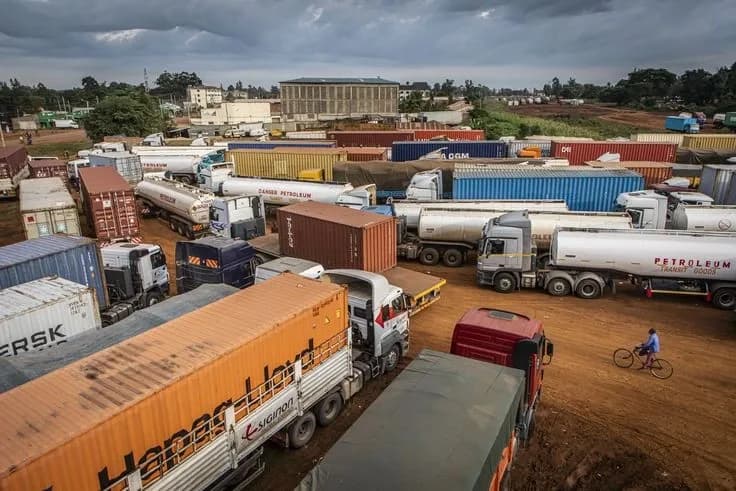
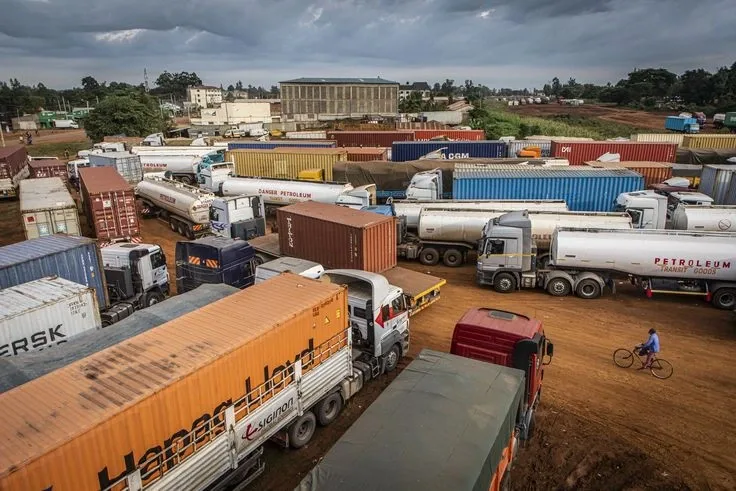
For SMEs, trade issues do not start in policy documents they start with stagnation goods do not move. A shipment gets held at the border, costs change without warning, or a requirement appears that was not there before. These are the points where cross-border trade becomes unpredictable. What sits behind this is not always visible. Disputes are handled between governments, but the consequences land on smaller firms with limited room to absorb delays or added costs. In practice, smaller businesses carry much of the risk when trade rules are applied inconsistently.
Predictability matters most where margins are tight and disruptions are costly. Uncertainty around rules of origin, customs procedures, or non-tariff barriers can quickly affect operations. When trade rules are applied consistently, it becomes easier to plan, price, and deliver across borders. Without that consistency, even small disruptions can limit the ability to expand into new markets.
Access, Capacity and Enforcement Challenges
However, the benefits of the system depend on how effectively it is used. In many cases, smaller businesses lack direct channels to escalate trade challenges to the state level, where disputes are formally handled. This creates a gap between the existence of a rules-based system and its practical impact on operations. Strengthening communication between the private sector and government authorities is essential to ensure that concerns are captured and addressed within the dispute process.
Capacity remains another constraint. Not all member states have equal legal or technical resources to pursue trade disputes, and this can affect how well SME-related issues are represented. Without adequate support, smaller economies and by extension their businesses may struggle to make full use of the system. Targeted capacity-building and technical assistance will be important to ensure broader participation and more balanced outcomes.
Enforcement is equally critical. Delays in resolving disputes or failure to implement rulings can have immediate financial consequences. Unlike larger corporations, smaller firms are less able to absorb prolonged uncertainty or additional costs. Consistent enforcement of decisions is therefore central to building trust in the system and encouraging participation in cross-border trade.
Predictable Trading Environment for SMEs
The AfCFTA’s dispute settlement framework represents a move toward a more predictable trading environment. This predictability is not theoretical it directly affects the ability to enter new markets, manage risk, and compete beyond domestic borders.
For SMEs, the value of the system will be measured in how consistently trade rules are applied in practice. Where that consistency holds, cross-border trade becomes easier to navigate. Where it does not, uncertainty remains.