Toyota Set to Introduce Three EV Models in South Africa by 2026
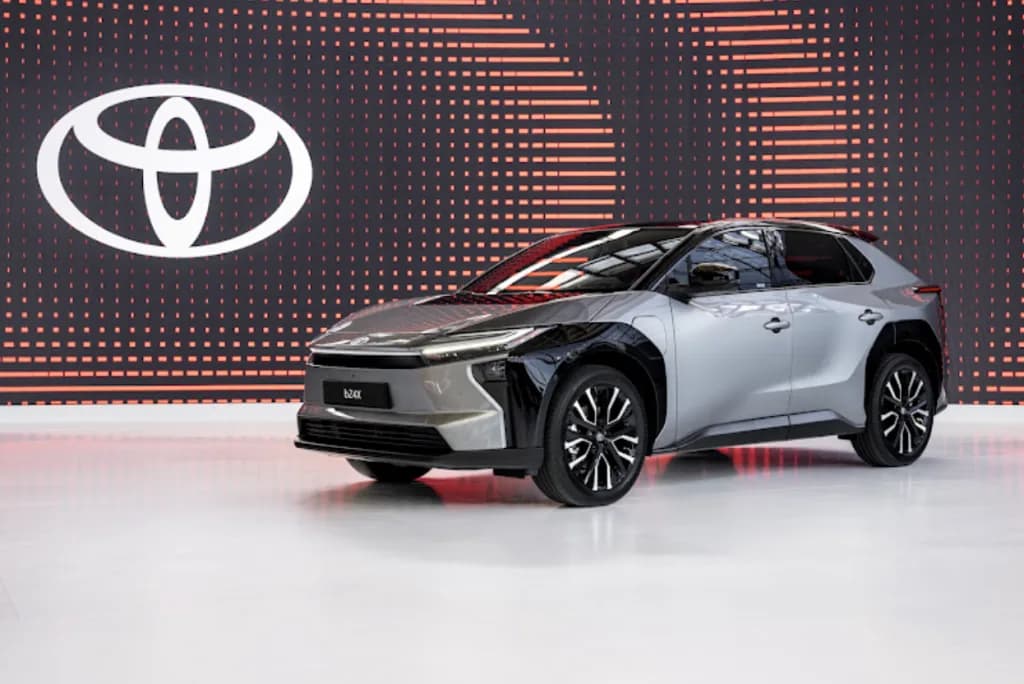
Toyota is preparing to make a landmark entry into South Africa’s electric vehicle (EV) market with the launch of three battery electric models in early 2026. The announcement means a significant shift for the Japanese automaker, which already dominates the hybrid segment in the country but has until now held back on full EV deployment.
Toyota Set to Introduce Three EV Models in South Africa by 2026
Toyota is preparing to make a landmark entry into South Africa’s electric vehicle (EV) market with the launch of three battery electric models in early 2026. The announcement means a significant shift for the Japanese automaker, which already dominates the hybrid segment in the country but has until now held back on full EV deployment.
An EV Market Still in Its Infancy
South Africa’s EV market remains small, with industry estimates showing fewer than 1,500 fully electric cars sold in 2024. Limited charging infrastructure, frequent power cuts, high import duties, and low consumer purchasing power slow adoption. Even so, global momentum toward electrification forces major automakers to take Africa seriously.
Toyota’s Hybrid Success
Toyota leverages its strong market position to build consumer confidence. The company controls more than 60% of South Africa’s hybrid and plug-in hybrid sales, led by popular models like the locally produced Corolla Cross hybrid. By adding fully electric models, Toyota aims to strengthen its footprint and gradually introduce South African drivers to battery-powered mobility.
A “Cafeteria Strategy” for the Future
Unlike some rivals, Toyota refuses to bet everything on EVs. Andrew Kirby, CEO of Toyota South Africa, describes the company’s approach as a “cafeteria strategy,” stressing that future mobility will involve multiple powertrains. Alongside battery EVs, Toyota continues to invest in hybrids, plug-in hybrids, hydrogen fuel cells, and carbon-neutral internal combustion engines.
Local Production on the Horizon
The first three Toyota EVs will arrive in 2026 as imports. However, the company signaled plans for future local production a crucial step for South Africa’s auto industry, which faces stagnating output and rising dependence on imports. Local EV manufacturing could sustain jobs and keep the country competitive as global markets accelerate toward electrification.
Competition in the EV Race
The EV space in South Africa grows more competitive by the day. European brands like BMW, Volvo, and Mercedes-Benz lead the premium market, while Chinese manufacturers, especially BYD, expand aggressively with affordable options. Toyota’s entry will intensify the race and may pressure policymakers to speed up charging infrastructure and introduce consumer-friendly incentives.
For South African drivers, Toyota’s EVs bring both opportunity and uncertainty. Adoption may remain gradual, but a trusted, mass-market brand could turn EVs from a niche luxury into a mainstream choice.