Toyota and BMW Test Renewable Petrol in Spain
Toyota and BMW have started a six month trial in Spain to test renewable petrol in everyday driving. Both companies continue to support alternatives to battery electric vehicles. The pilot programme brings together Toyota, BMW, Bosch and Spanish energy company Repsol. Twenty production vehicles will run exclusively on Repsol's renewable petrol. Bosch will monitor fuel
Toyota and BMW Test Renewable Petrol in Spain
Toyota and BMW have started a six month trial in Spain to test renewable petrol in everyday driving. Both companies continue to support alternatives to battery electric vehicles. The pilot programme brings together Toyota, BMW, Bosch and Spanish energy company Repsol. Twenty production vehicles will run exclusively on Repsol’s renewable petrol. Bosch will monitor fuel use, emissions and the movement of the fuel through the supply chain. The fuel itself is not new. Repsol already sells it at selected filling stations across Spain. The aim is to gather real-world data from vehicles being driven under normal conditions.
A fuel that works with existing engines
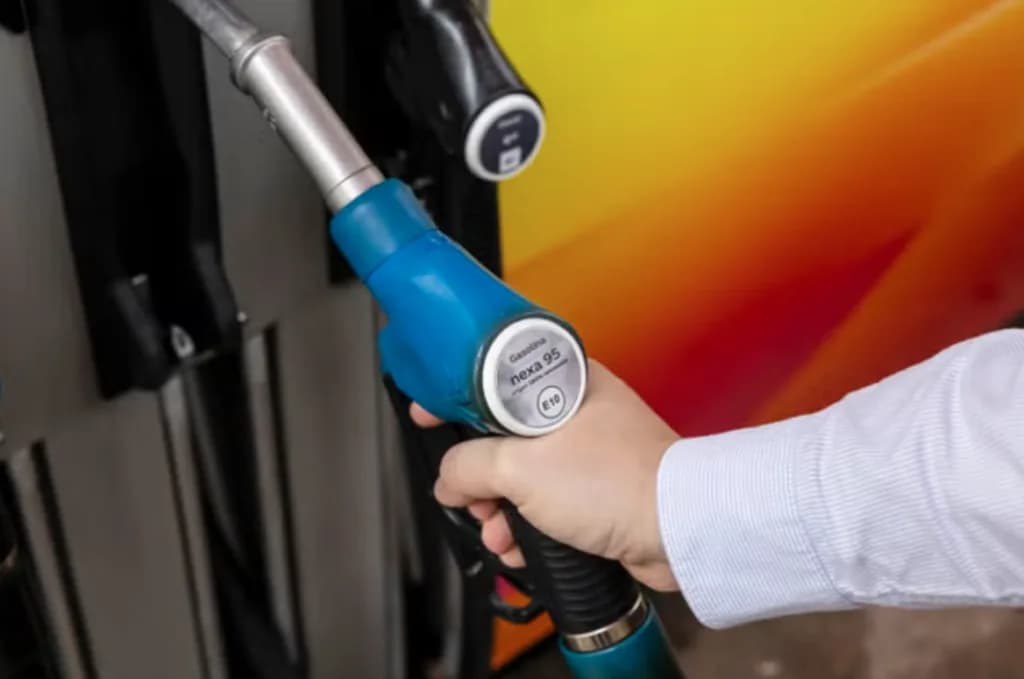
Unlike hydrogen or battery electric technology, renewable petrol does not require a new type of vehicle. Repsol says its Nexa 95 fuel can be used in conventional petrol engines without any modifications. The company also says it produces around 70% lower net carbon emissions than standard petrol. It has shared few details about how the fuel is made, apart from saying it uses renewable feedstocks, including waste materials. If those claims hold up, the fuel could help reduce emissions from vehicles already on the road.
Another approach to cutting emissions
Toyota and BMW have taken a different path from manufacturers focusing almost entirely on electric vehicles. Both companies continue to expand their EV line ups. At the same time, they are investing in hydrogen and renewable fuels. Their view is that no single technology will suit every market. That is especially true in countries where charging infrastructure is still limited or where petrol vehicles are likely to stay on the road for many years. This latest trial forms part of that strategy.
More than a technical exercise
The project comes as Europe continues to debate the future of combustion-engine vehicles. The European Union has softened its position on ending sales of new petrol and diesel vehicles by 2035. It has left room for vehicles that can run on approved low carbon fuels. That has renewed interest in renewable petrol. Some manufacturers argue that existing vehicles should also play a role in reducing transport emissions. The data collected during the trial could help shape future policy discussions in Europe. Only 20 vehicles are taking part, making this a relatively small programme. Even so, it reflects a broader trend across the automotive industry. Electric vehicles remain the biggest investment for most manufacturers. At the same time, many are exploring technologies that could lower emissions from the millions of petrol powered vehicles already on the road. Whether renewable petrol gains wider support will depend on production capacity, cost and government policy. For now, Toyota and BMW are focused on seeing how the fuel performs under everyday driving conditions.