Too Little Energy, Too Late? South Africa’s Painful De-Industrialisation Amid Eskom’s “Profitability”
South Africa is bleeding manufacturing jobs and industrial capacity while government, Eskom, and NERSA celebrate incremental improvements in the power system. The country has suffered multiple energy crises over more than a decade, yet meaningful structural reform has been excruciatingly slow. The question must be asked: why has it taken so many corporate failures, factory
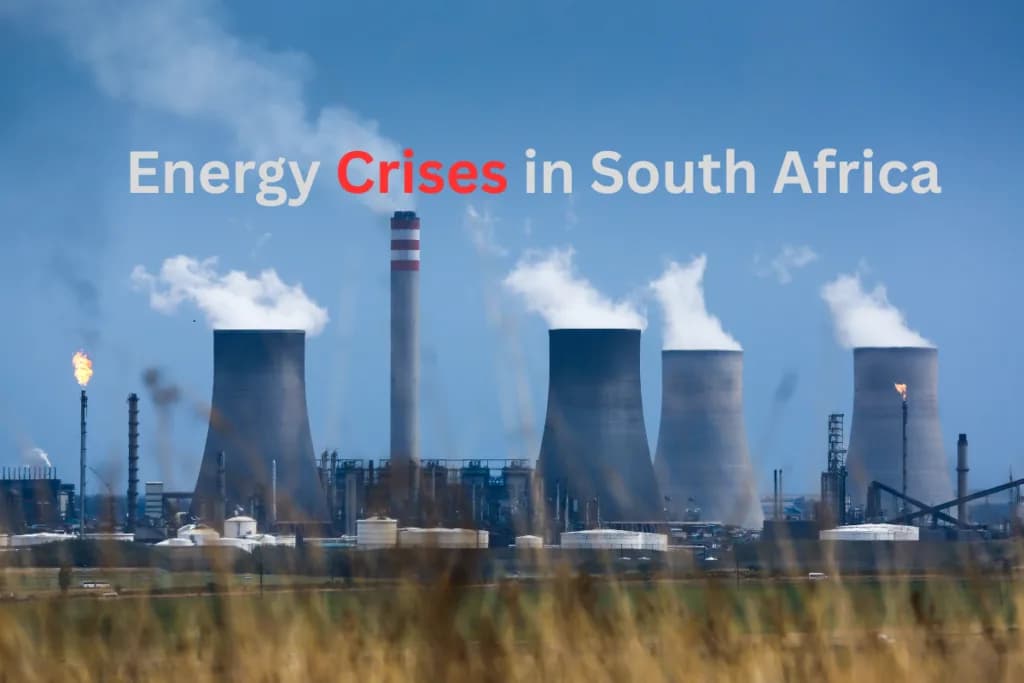
Too Little Energy, Too Late? South Africa’s Painful De-Industrialisation Amid Eskom’s “Profitability”
South Africa is bleeding manufacturing jobs and industrial capacity while government, Eskom, and NERSA celebrate incremental improvements in the power system.
The country has suffered multiple energy crises over more than a decade, yet meaningful structural reform has been excruciatingly slow. The question must be asked: why has it taken so many corporate failures, factory closures, and lost investments for policymakers to finally begin addressing the crippling cost and unreliability of electricity?
The human and economic cost is clear. Major manufacturers and miners have repeatedly warned that high electricity prices, unreliable supply, and bureaucratic delays are making South Africa uncompetitive. Yet Eskom reports turning profitable while industries continue to install expensive rooftop solar and diesel generators just to stay alive.
This raises a deeper concern: at what cost is this “profitability” being achieved, and who is paying the price?
A Pattern of Warnings Ignored
The warning signs have been visible for years. In Newcastle, long steel operations were first scaled back and ultimately closed citing unsustainable energy costs. Nissan’s decision to withdraw manufacturing investment from South Africa was partly attributed to energy instability and high operational costs. Mining houses and smelters have diverted new projects to countries with more reliable and affordable power. Ferro-alloy producers, including threats to facilities like Assmang’s Machadodorp smelter announced yesterday, face potential shutdowns due to electricity tariffs and supply issues.
These are not isolated incidents. They reflect a broader de-industrialisation trend that has seen South Africa lose ground in sectors that traditionally provided stable employment and foreign exchange earnings. While government highlights Eskom’s improved financial position, the reality on the factory floor is one of painful adaptation. There have been billions spent by private companies on solar PV, battery storage, and backup generators to keep production running.
Eskom’s Debt, “Profitability”, and Tariff Strategy
Eskom still carries a massive debt burden. Despite claims of financial turnaround, the utility has maintained elevated tariffs for industrial and mining customers, which are the very sectors that employ hundreds of thousands and drive a good part of the country’s exports and related tax income. Recent tariff restructuring plans, including adjustments to wheeling rebates and non-bypassable charges, have further squeezed the economics of corporate PPAs and self-generation.
Critics argue that Eskom is recovering costs from a shrinking industrial base while surplus generation in some periods is not translating into lower prices for large users. This stubborn approach to pricing, even as the utility produces more electricity than is consumed at times, raises questions about the balance between financial recovery and supporting economic growth.
The proposed tariff changes under review by NERSA are a step in the right direction, but many in industry feel they are coming too late and may not go far enough or fast enough to stem the bleeding.
The Cost of Inaction
The private sector has stepped in where the state failed. Businesses have invested billions in alternative energy solutions, from rooftop solar to hybrid systems. This has helped keep some operations afloat but at enormous capital cost. This was capital that could have been used for expansion, job creation, or competitiveness improvements.
Meanwhile, no senior official at Eskom, NERSA, or in the relevant government departments appears to have faced meaningful consequences for years of load shedding, project delays, and policy missteps. The lack of accountability has eroded trust and discouraged investment.
What Needs to Happen Now
To reverse the damage, several urgent actions are required:
- Accelerate Tariff Reform — NERSA and Eskom must fast-track cost-reflective but competitive tariffs for industrial users. Wheeling and self-generation rebates should support, not penalise, private investment in energy.
- Clear Grid Connection Bottlenecks — The recent Grid Capacity Allocation Rules are welcome but implementation must be swift and transparent.
- Accountability and Leadership — Stronger oversight and consequences for repeated failures are essential to restore confidence.
- Integrated Industrial-Energy Policy — Energy policy must be explicitly linked to re-industrialisation goals, with targeted support for energy-intensive sectors during the transition.
- Public-Private Collaboration — Genuine partnerships, not just consultation, to align Eskom’s financial needs with the country’s economic survival.
South Africa cannot afford further delay. The manufacturing and mining sectors remain vital for employment, exports, and economic stability. If policymakers continue to move too little and too late, the de-industrialisation trend will become permanent, with devastating long-term consequences for jobs and national prosperity.
The time for excuses is over. Rapid, decisive action on tariffs, grid access, and energy affordability is needed to give industries a fighting chance to recover and grow.