EV growth is challenging RAF funding
The Road Accident Fund (RAF) has long been financed through a levy included in the price of every litre of petrol and diesel sold in South Africa. Levy has long provided a steady stream of money for the fund, which compensates people injured in road crashes and supports families who lose relatives in accidents.The system
EV growth is challenging RAF funding
The Road Accident Fund (RAF) has long been financed through a levy included in the price of every litre of petrol and diesel sold in South Africa. Levy has long provided a steady stream of money for the fund, which compensates people injured in road crashes and supports families who lose relatives in accidents.The system was built for a country where almost every vehicle on the road stopped at a fuel station. That assumption is starting to change.
More EVs, less fuel levy revenue
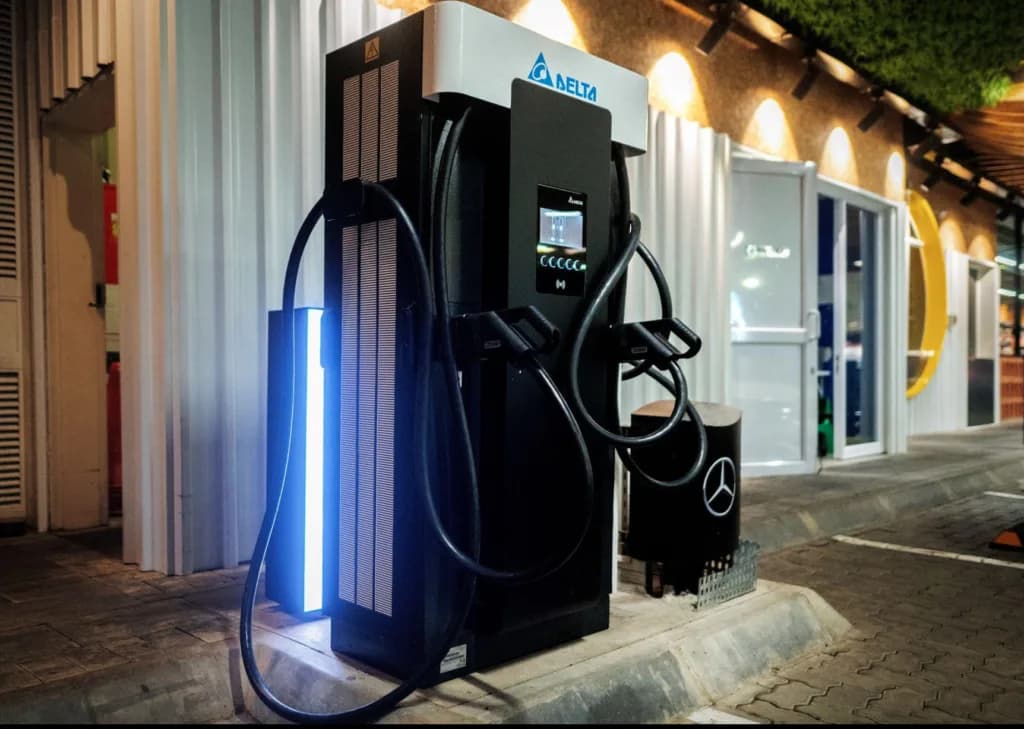
Electric vehicles do not buy petrol or diesel, which means their owners do not contribute to the RAF through the fuel levy. On its own, that is not a major problem. EVs still represent a small slice of South Africa’s vehicle market. But sales are rising quickly. Battery-electric vehicle sales jumped 96% in the first quarter of 2026 compared with a year earlier. The growth has highlighted a question policymakers will eventually have to answer: if more vehicles stop buying fuel, where will the RAF’s money come from?
The licence disc proposal
Government is considering an additional charge linked to licence disc renewals as one possible answer. The proposal has already raised concerns because motorists who drive petrol and diesel vehicles are already paying into the RAF whenever they fill up. For many drivers, the idea of paying through the fuel levy and then paying again when renewing a licence disc is likely to be a difficult sell.
A problem bigger than electric cars
The timing is also sensitive. The RAF has been battling financial pressure for years. In 2025, the fund told Parliament that its liabilities exceeded its assets and expected income. At the time, it was also dealing with a claims backlog of around 400,000 cases. None of this means electric vehicles are creating the RAF’s financial troubles. Those challenges existed long before EV sales began to rise. What electric vehicles are doing, however, is exposing the limits of a funding model that depends heavily on fuel sales.South Africa is now facing the same reality confronting governments in other parts of the world. As more drivers move away from petrol and diesel vehicles, fuel levies become a less reliable source of revenue. The transition may take years, but the debate over how to replace that income has already begun.