The Quandary and Future of Coal Generated Power
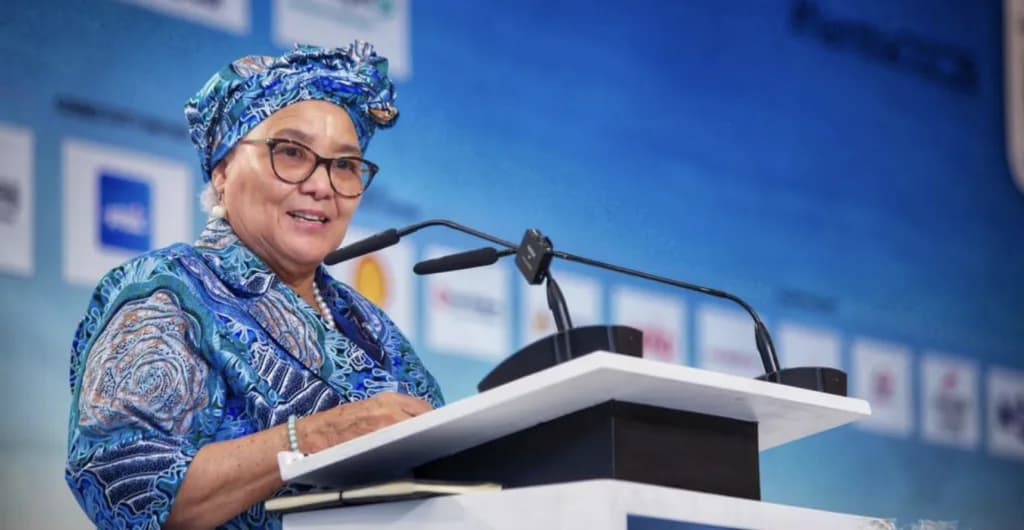
"Coal leads the economy -It will lead the economy for the next 15 years". This was one of the opening statements by Silas Zimu, Special Advisor to the Electricity Minister of South Africa. Today saw the Coal Industry gather in Johannesburg for the Coal & Energy Transition Day, set up to provide insights into the
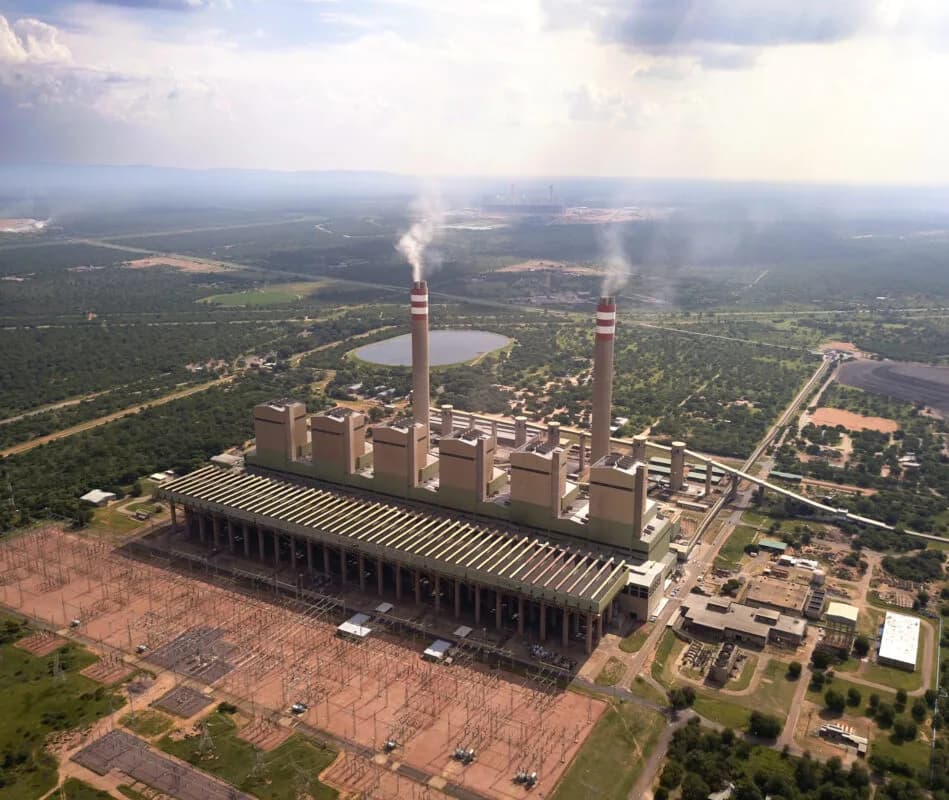
A-Medupi-built-by-South-Africans
“Coal leads the economy -It will lead the economy for the next 15 years”. This was one of the opening statements by Silas Zimu, Special Advisor to the Electricity Minister of South Africa.
Today saw the Coal Industry gather in Johannesburg for the Coal & Energy Transition Day, set up to provide insights into the current energy industry developments, providing broad discussions on the future of energy and of coal in particular.
The view that there is going to be ongoing reliance on coal generated energy is broadly shared across the industry, with countries such as South Africa having been through an ongoing process of developing more renewable energy that has not met the energy demands of a developing nation nor has it resulted in reduction of energy costs.
There are so many deep ironies in energy production that are predictably ignored by many but should not be. As an example, China currently produces around 80% of all solar panels globally but also predominantly uses coal energy to produce them. China produces close to 60% of all coal generated power globally. Coal power is the main engine that drives the worlds largest production factory and currently produces more electricity than the EU, US and India combined.
AI Driving Increasing Energy Demand:
One of the key industries driving the increase in energy demand is the rapid development in AI, cloud computing and data centres and that require massive amounts of energy to run and to cool. There is an average of around 100 megawatts of power required to power an AI data centre in the US, according to Vuslat Bayoglu, Managing Director of Menar, who says that “this is equivalent to the average energy consumption of around 100,000 households”.
With Global trade and manufacturing currently in the spotlight, there has been a significant shift away from a blind focus on simply focusing on renewable energy and rather towards how can the energy sector meet the energy requirements going forward without necessarily removing coal out of the picture completely.
The USA, and other countries in the EU that have started experiencing power outages recently due to insufficient energy availability, have started to reassess their position on a purely renewable one. This is also being driven by big advances in carbon capture technology that is expected to be able to deliver clean air output from coal powered power stations shortly, according to Menar.
What does Energy Supply in South Africa Look Like in Future:
There is no question at this stage that South Africa needs more energy supply volume quickly, however the price of energy currently is creating a massive challenge for the manufacturing sector as well as the potential development in AI.
The current administration seems to be focussed purely on providing energy for the poor, rather than seeing industries grow that can provide more economic growth, jobs and more investment in the country.
Silas Zimu, however did indicate that the administration has a plan to ensure that there will be more solar power supplied to poor households and said that there were also plans to stabilise power generation in the mid-term with the introduction of nuclear Small Modular Reactors (SMR”S) that are planned to be established in each province in the country.
The urgent need to provide more economic catalysts in Africa’s largest economy cannot be understated, after a first quarter GDP growth of only 0,1% and a full year GDP in 2024 of only 0,8%. The future of coal seems set to be the only short-term solution at this stage but costs are also not being managed to produce cheaper energy.
The current administration should urgently take a look at some of the policies in China (that it seems to admire) and develop cheaper energy rapidly with a focus on growing sector specific manufacturing and beneficiation projects that can add value to the countries vast natural resource wealth rather than simply exporting them to other nations for them to benefit from. And for this to become real, cheap energy in volume is part of the solution.