The Mahindra XUV 3XO Enters a Tougher, More Demanding SUV Segment
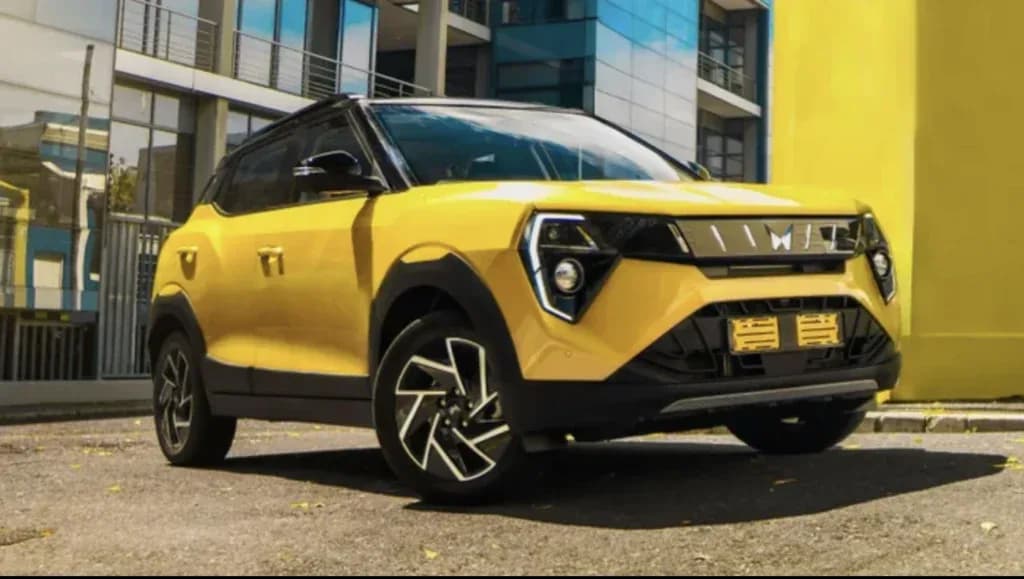
A Step Forward in Design The Mahindra XUV 3XO represents a notable update to the brand’s compact SUV offering, replacing the XUV300 with a more modern design and improved feature set. While it introduces several upgrades, it also enters a highly competitive segment where buyers increasingly expect refinement, efficiency, and long-term reliability not just affordability.
The Mahindra XUV 3XO Enters a Tougher, More Demanding SUV Segment
A Step Forward in Design
The Mahindra XUV 3XO represents a notable update to the brand’s compact SUV offering, replacing the XUV300 with a more modern design and improved feature set. While it introduces several upgrades, it also enters a highly competitive segment where buyers increasingly expect refinement, efficiency, and long-term reliability not just affordability.
At a glance, the XUV 3XO makes a stronger visual impression than its predecessor. The updated styling, including sharper LED lighting and a more contemporary front-end design, aligns it more closely with current market trends. However, design alone is no longer a differentiator in this segment, where competitors have already set high standards in build quality and finish.
Performance and Technology Trade-Offs
Under the bonnet, the 1.2-litre turbocharged petrol engine delivers adequate performance for urban and highway driving. With outputs in the range of 80–82kW and 200Nm, it competes on paper with rivals in the same class. That said, performance is only part of the equation. Buyers in this segment are increasingly sensitive to fuel efficiency and long-term running costs, areas where smaller turbo engines can vary depending on driving conditions and maintenance.
The most visible shift in the XUV 3XO is inside the cabin. The introduction of dual digital displays and improved infotainment features reflects a broader industry move toward more tech-focused interiors. While this enhances perceived value, it also raises expectations around software reliability, usability, and long-term durability areas where newer systems are often tested over time rather than at launch.
Safety, and Market Reality
Safety and driver assistance features have been expanded, with systems such as adaptive cruise control and lane-keeping assist available in higher trims. This aligns the XUV 3XO with global trends, but it also places it in direct comparison with more established brands that have spent years refining these technologies. The real-world effectiveness of these systems will likely shape buyer confidence.
From a market perspective, the XUV 3XO continues to compete primarily on value. Its pricing undercuts many established competitors, which may appeal to cost-conscious buyers. However, this also places pressure on the brand to maintain consistency in build quality, after-sales support, and resale value factors that often influence purchasing decisions as much as upfront cost.
Ultimately, the Mahindra XUV 3XO reflects a broader shift in the entry-level SUV segment. Buyers are no longer choosing based on price alone. They expect a balance of technology, safety, and reliability. Whether the XUV 3XO can sustain its competitiveness will depend less on its feature list and more on how it performs in everyday ownership.
Read more about new car releases here