Mali launches state mining firm to tighten sector control
The government of Mali has established a new state-owned mining company aimed at increasing public control over the country’s extractive assets. The entity, Société de patrimoine minier (Sopamim SA), will be fully owned by the state and tasked with acquiring and managing government equity stakes in mining projects. Through Sopamim, authorities in Bamako plan to
Mali launches state mining firm to tighten sector control
The government of Mali has established a new state-owned mining company aimed at increasing public control over the country’s extractive assets. The entity, Société de patrimoine minier (Sopamim SA), will be fully owned by the state and tasked with acquiring and managing government equity stakes in mining projects. Through Sopamim, authorities in Bamako plan to centralise oversight of mining holdings as they recalibrate the state’s relationship with foreign operators and strengthen national control over strategic resources.
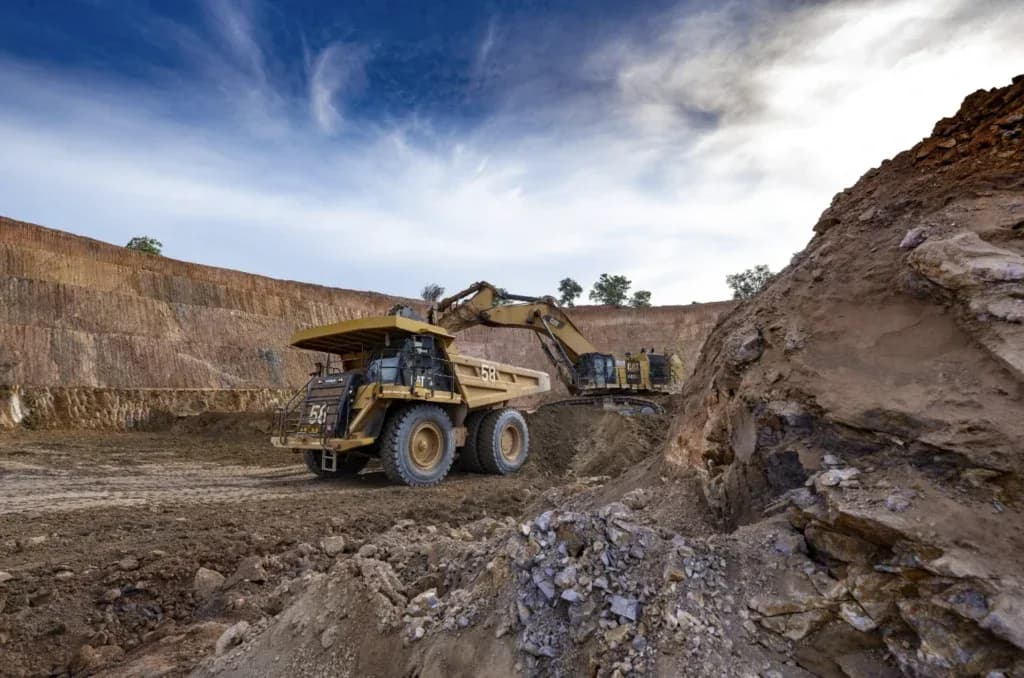
Mining remains the backbone of Mali’s economy, with gold production placing the country among West Africa’s leading producers. The sector has attracted major international investors, including Barrick Gold, one of the world’s largest gold and copper producers. Despite this international footprint, the government has increasingly shown its intention to retain a larger share of mining revenues and strengthen national participation across the value chain.
According to the Extractives Global Programmatic Support (EGPS), a World Bank-backed initiative, extractive revenues reached an estimated 1,075.4 billion CFA francs (approximately $1.95 billion) in 2022. That figure represented 9.2% of gross domestic product and accounted for 53.53% of tax authority (DGI) collections. Yet the sector employed just 1.9% of the national workforce, highlighting the gap between revenue generation and broad-based job creation.
A mining code under revision
Mali’s regulatory framework has evolved significantly since the 1990s. The 1991 Mining Code introduced a liberalised regime designed to attract foreign capital through tax incentives and favourable investment terms, an approach reinforced by reforms in 1999. From 2012 onward, however, policymakers began shifting toward a model that sought a greater state share of mining income.
That trajectory culminated in the adoption of a new Mining Code in August 2023 under President Assimi Goïta. The revised framework grants the state a 10% stake in new mining projects, with the option to increase participation to 30% by incorporating shares reserved for local investors. The creation of Sopamim SA corresponds with this policy direction, providing a dedicated vehicle through which the government can consolidate ownership, negotiate from a stronger position, and expand domestic participation in the sector.