The Power Paradox: Why African Mining Fleets Can’t Cut Diesel Loose
The global mining sector faces an undeniable imperative to slash its carbon footprint, and Africa stands at the forefront of this transformation. From the vast, coal dependent energy landscape of South Africa to the isolated copper and gold mines scattered across the continent, operators are keenly exploring the transition from traditional diesel-powered fleets to advanced
The Power Paradox: Why African Mining Fleets Can’t Cut Diesel Loose
The global mining sector faces an undeniable imperative to slash its carbon footprint, and Africa stands at the forefront of this transformation. From the vast, coal dependent energy landscape of South Africa to the isolated copper and gold mines scattered across the continent, operators are keenly exploring the transition from traditional diesel-powered fleets to advanced electric alternatives. But, despite the compelling allure of lower emissions, reduced maintenance expenditures, and enhanced operational efficiency, a complete shift to electrification remains a complex, deliberate process.
The Remote Power Challenge
One of the most formidable obstacles lies squarely with infrastructure. Mining operations are inherently situated in remote, rugged terrains where reliable access to electrical power is inherently scarce. Fully electrifying a fleet demands far more than merely acquiring new machinery; it necessitates substantial upfront investment in robust power generation, sophisticated transmission networks, and resilient energy storage solutions. Consider nations like South Africa, where persistent grid instability and frequent load shedding events render absolute reliance on the national grid for large-scale electrification often impractical. Consequently, mining corporations are frequently compelled to finance and construct their own dedicated renewable energy systems, typically integrated with advanced battery storage, a strategy that introduces considerable financial outlay and intricate logistical planning.
Charging Capabilities and Operational Integration
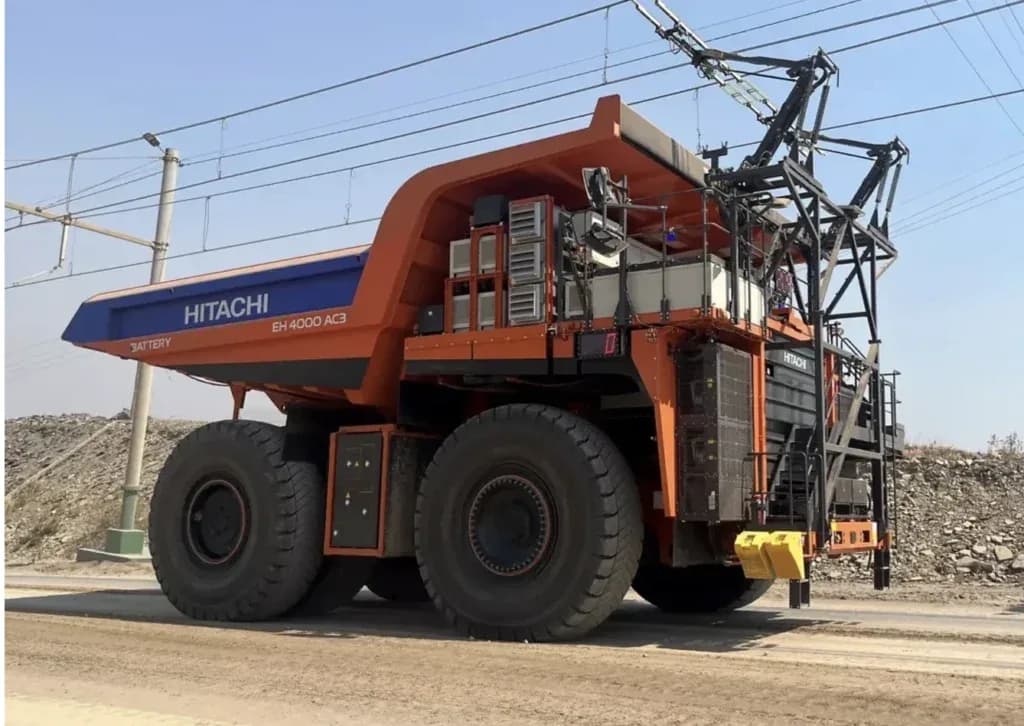
Charging capability is another critical concern. Electric mining vehicles, especially large haul trucks, require powerful, high-capacity charging stations. These stations are expensive to install. Crucially, they must also integrate seamlessly into existing mine operations to prevent downtime, as any interruption directly impacts productivity targets.
Cost continues to be a predominant barrier. While electric fleets promise significant reductions in long-term operating expenses, the initial capital expenditure is notably higher than for conventional diesel fleets. This encompassing cost includes the procurement of electric vehicles, the installation of intricate charging networks, upgrades to power supply systems, and potential investments in localized renewable energy sources. For numerous African mining companies, particularly the smaller-scale operators, securing the necessary financing for such substantial investments presents a significant hurdle.
Technology Limitations
Technological limitations also play a discernible role. Although battery technology has advanced at an astonishing pace, current battery solutions still contend with challenges related to energy density, overall weight, and charging duration. Large mining trucks require batteries capable of sustaining arduous shifts under extreme conditions, and these advanced batteries remain expensive and are not universally efficient enough to entirely supersede diesel in every heavy-duty application. Furthermore, concerns regarding battery lifespan and future replacement costs continue to influence long-term operational and financial planning.
The Mechanical and Data Dependency factor
An often underestimated dimension of this transition is the fundamental shift from purely mechanical to digitally-driven operations. Electrified fleets are inherently reliant on vast streams of data. Mine operators must meticulously monitor energy consumption, precisely schedule charging cycles, and proactively manage battery health all of which demand advanced data analytics platforms and specialized technical expertise. This represents a profound evolution from traditional diesel-centric operations and necessitates significant upskilling and reskilling of the existing workforce. Without the requisite digital infrastructure and skilled personnel, the journey toward electric fleets becomes even more arduous.
Policy and Energy Mix Complexities
Finally, prevailing policy and national energy mix considerations further complicate the panorama. In many African nations, electricity generation continues to heavily depend on fossil fuels. This implies that while emissions at the mine site itself might diminish, the broader carbon footprint may not contract unless renewable energy sources are comprehensively integrated into the national grid. Additionally, inconsistent regulatory frameworks and limited governmental incentives for green investments can dissuade companies from committing to this transformative leap.
Despite these multifaceted barriers, the momentum for change is undeniable. Forward-thinking companies are already implementing hybrid systems, launching pilot programs for electric vehicles, and making strategic investments in renewables, laying the groundwork for widespread electrification. This ambitious pivot from diesel to data-driven electric fleets is no quick fix, but it’s a profound and essential transformation, charting a course toward a more sustainable, efficient, and technologically advanced mining future across Africa.