Libya Taps Chevron to Study Untested Offshore Block NC146
The agreement focuses on technical and geological studies to better understand what the block holds. They have no drilling planned yet, and no one has made an investment decision. For now, the work involves gathering data that will shape what comes next and determine if the block is worth developing. NOC Chairman Masoud Suleman said
Libya Taps Chevron to Study Untested Offshore Block NC146
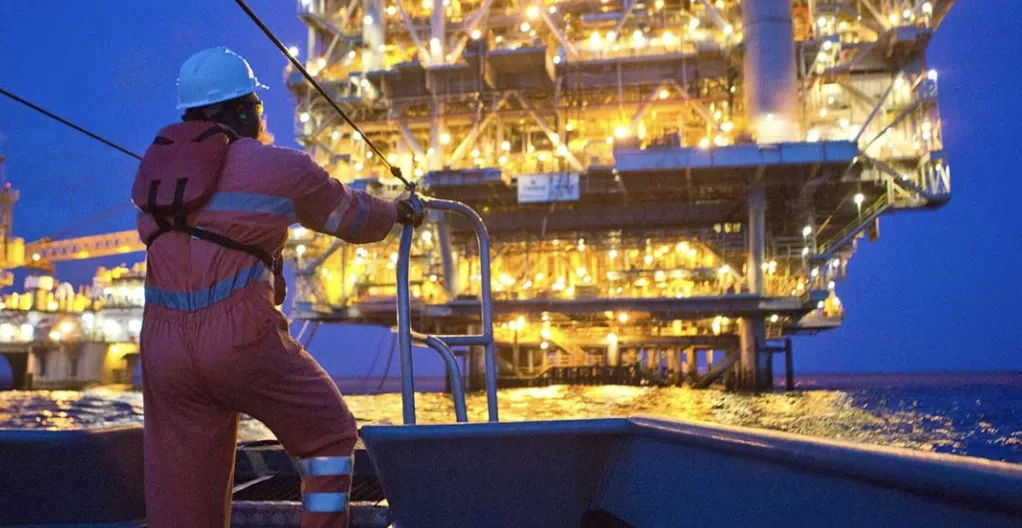
The agreement focuses on technical and geological studies to better understand what the block holds. They have no drilling planned yet, and no one has made an investment decision. For now, the work involves gathering data that will shape what comes next and determine if the block is worth developing.
NOC Chairman Masoud Suleman said the area remains largely unexplored but pointed to “encouraging geological indicators” that suggest viable resources. He did not give estimates. Chevron will bring its offshore experience and apply industry-standard exploration technology.
Libya Pushes Further Offshore
The deal is part of Libya’s wider effort to restart exploration activity, with more attention now going offshore. NOC has made it clear it wants to open up new offshore areas and bring in foreign partners, especially ahead of a planned licensing round.
This direction has been building for some time. By mid-2025, authorities had already positioned offshore development as a key part of Libya’s energy plans.
In January 2026, NOC launched the country’s first deepwater exploration well. This marks a notable step in an area that has seen very little development. The project involved international partners, a necessity given the cost and technical demands of deepwater work.
What comes out of Chevron’s study will likely determine whether Libya moves ahead with more detailed exploration on the block.
Production Targets and New Deals
Libya currently produces around 1.4 million barrels of oil per day. The goal is to push that up to about 1.6 million barrels per day by the end of 2026, partly to make up for declining output from older onshore fields. In line with that push, Libya signed a 25-year agreement in late January 2026 with TotalEnergies and ConocoPhillips, indicating a continued reliance on long-term partnerships to grow production.
Read more about Chevron HERE