Tesla Secures In-Principle Approval for Driver-Assistance System in China
Elon Musk's brief visit to China yielded immediate results as Tesla Inc. received in-principle approval from government authorities to deploy its driver-assistance system in the world's largest auto market. According to sources familiar with the matter, the US automaker obtained approval under specific conditions, although details of all criteria remain undisclosed. Tesla overcame two crucial
Tesla-Secures-In-Principle-Approval-for-Driver-Assistance-System-in-China
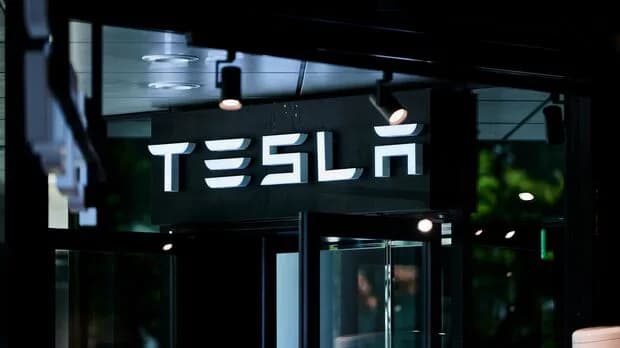
Elon Musk’s brief visit to China yielded immediate results as Tesla Inc. received in-principle approval from government authorities to deploy its driver-assistance system in the world’s largest auto market.
According to sources familiar with the matter, the US automaker obtained approval under specific conditions, although details of all criteria remain undisclosed.
Tesla overcame two crucial hurdles by finalizing a mapping and navigation agreement with Chinese tech giant Baidu Inc. and meeting data-security and privacy requirements.
Following the announcement, Tesla’s shares surged by 15% on Monday, marking its most significant single-day gain in over three years, while Baidu’s American depositary receipts also rose by 5.6%. Tesla has yet to comment on the status of its regulatory approval efforts.
Elon Musk’s visit to China on Sunday, during which he met with Premier Li Qiang, played a pivotal role in seeking approval for the driver-assistance software aimed at reversing the carmaker’s revenue decline.
Although Tesla’s suite of features requires constant supervision and does not render its vehicles autonomous, the company charges $8,000 for the system in the US, or offers a subscription for $99 per month.
While Tesla initially enjoyed favourable treatment in China, its market position has weakened amid increased competition from domestic electric vehicle manufacturers such as BYD Co.
Approval for Tesla’s Full Self-Driving (FSD) system in China could be a game-changer for the company, especially considering its recent struggles, including a decline in quarterly revenue and sales figures.
Teaming up with Baidu, a qualified supplier with top-level mapping credentials, will enable Tesla to leverage the Chinese company’s advanced navigation and mapping services.
While securing approval for FSD in China could help Tesla regain lost ground, its driver-assistance systems have faced scrutiny in the US. The National Highway Traffic Safety Administration recently initiated a probe into Tesla’s Autopilot system following several crashes involving vehicles that received software updates.
Despite challenges, Musk remains steadfast in Tesla’s pursuit of autonomy, emphasizing its importance during recent earnings calls.
While reports suggest tentative approval from Chinese officials for Tesla’s FSD launch in the country, further details are awaited as the company navigates regulatory hurdles and seeks to bolster its presence in one of the world’s most lucrative auto markets.