Tanzania Breaks Ground on $273 Million Fuel Storage Project at Dar es Salaam Port
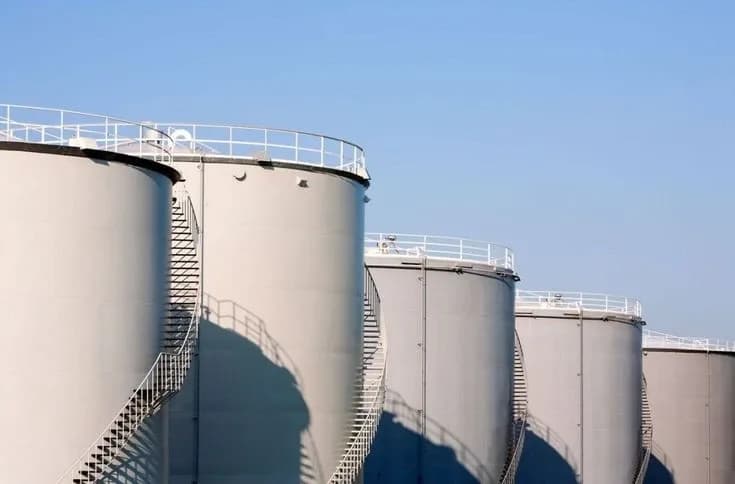
Tanzania held a groundbreaking ceremony on March 3, 2026, for the construction of 15 petroleumstorage tanks at the Port of Dar es Salaam. The government launched the project in 2024 at a cost of 701.8 billion Tanzanian shillings ($273 million). Once completed, the facility will add 378,000 cubic metres of fuel storage capacity. The presidency
Tanzania Breaks Ground on $273 Million Fuel Storage Project at Dar es Salaam Port
Tanzania held a groundbreaking ceremony on March 3, 2026, for the construction of 15 petroleumstorage tanks at the Port of Dar es Salaam. The government launched the project in 2024 at a cost of 701.8 billion Tanzanian shillings ($273 million). Once completed, the facility will add 378,000 cubic metres of fuel storage capacity.
The presidency said construction has reached 41% completion and will strengthen the country’s energy security. For the first time, the Tanzania Ports Authority will operate its own petroleum storage tanks, enabling the port to maintain larger fuel reserves and secure a more reliable supply.
Expanding fuel storage and port capacity
The new infrastructure will significantly improve the port’s ability to handle petroleum cargo. The project will reduce tanker unloading times from an average of 22 days to about seven days per vessel, easing congestion and eliminating demurrage charges fees shipowners impose when vessels remain delayed. These charges average about $25,000 per delay and often increase fuel prices for consumers.
Tanzania Ports Authority Director General Plasduce Mbossa said the project forms part of the Dar es Salaam Port Master Plan, which aims to improve operational efficiency and strengthen the port’s competitiveness. The plan also seeks to position the port as a key regional energy gateway. When construction finishes in February 2027, the project will increase the port’s oil receiving capacity from 1,051,888.52 cubic metres to 1,429,888.52 cubic metres, a 35.9% increase. The expansion should improve fuel availability and help stabilise domestic fuel prices.
Rising geopolitical tensions
The development comes as geopolitical tensions increase across global energy routes. Escalating tensions involving Iran, Israel and the United States have raised concerns about disruptions to the Strait of Hormuz. Nearly 20% of global oil consumption passes through the strait each day, according to the U.S. Energy Information Administration.
At the same time, threats to shipping in the Red Sea from Iran-aligned groups, including the Houthis in Yemen, have increased concerns about disruptions along the Red Sea Suez Canal corridor, a critical route linking Asia, Europe and Africa.