South Africa’s Hive Hydrogen Project Nears Green Ammonia Production
South Africa’s US$5.8 billion Hive Hydrogen project has progressed toward commercial production after selecting a US$1 billion green ammonia and electrolyser solution for its planned facility in the Coega Special Economic Zone. The project, located in Nelson Mandela Bay’s Coega Special Economic Zone, is drawing attention because developers believe it could produce some of the
South Africa’s Hive Hydrogen Project Nears Green Ammonia Production
South Africa’s US$5.8 billion Hive Hydrogen project has progressed toward commercial production after selecting a US$1 billion green ammonia and electrolyser solution for its planned facility in the Coega Special Economic Zone.
The project, located in Nelson Mandela Bay’s Coega Special Economic Zone, is drawing attention because developers believe it could produce some of the world’s lowest-cost green ammonia at a time when industries such as shipping search for cleaner fuel alternatives.
Hive Hydrogen, backed by UK-based Hive Energy and South African infrastructure firm BuiltAfrica, says a combination of large-scale renewable energy generation and newer electrolyser technology could significantly reduce production costs, one of the biggest obstacles facing the global green hydrogen industry.
Focus on Lower-Cost Green Ammonia Production
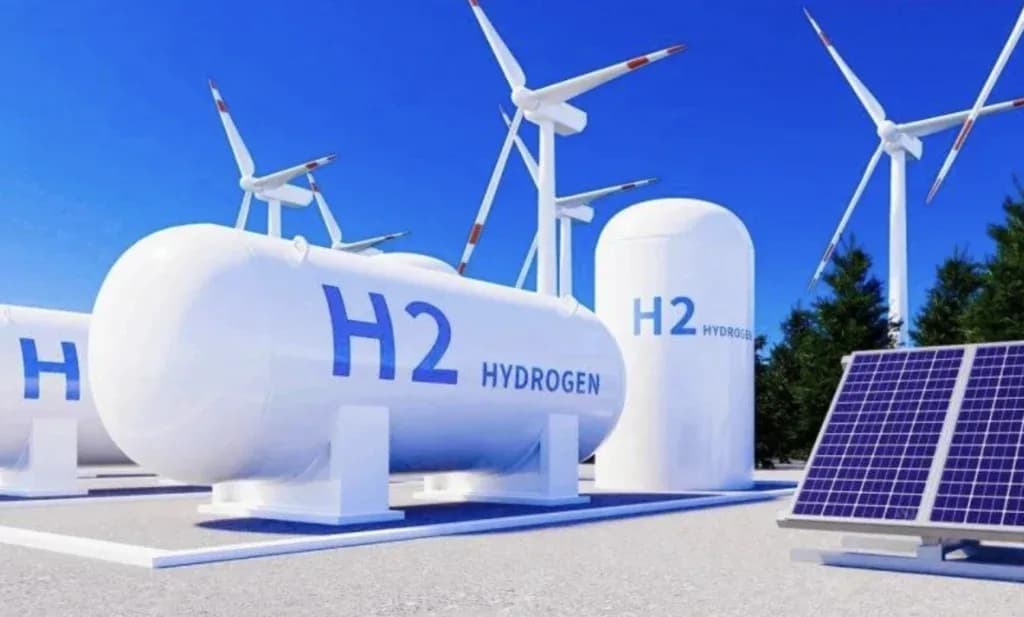
The facility is expected to be powered by nearly 1,500 MW of wind energy and 1,430 MW of solar capacity. Danish energy company Topsoe will supply solid oxide electrolyser technology that Hive Hydrogen says could lower renewable infrastructure costs by more than €500 million while reducing electricity transmission expenses by 25%.
Cost has remained one of the main barriers facing clean hydrogen projects globally. Despite growing political backing and billions of dollars committed to energy transition projects, many hydrogen developments continue to face concerns around commercial viability, infrastructure requirements and long-term demand. Hive Hydrogen believes growing demand for green ammonia, particularly from the shipping industry, could improve the economics of large-scale production.
Shipping Industry Driving Demand
Shipping companies are under increasing pressure to reduce emissions as regulators and customers push for alternatives to heavy fuel oil. Green ammonia has emerged as one of the fuel options being explored for long-distance shipping because it does not produce carbon emissions during use when handled under the correct operating conditions.
According to Hive Hydrogen general manager Colin Loubser, demand for ammonia-powered vessels is increasing as more shipping companies invest in cleaner fuel technologies.
“The number of ships commissioned to run on green ammonia as a maritime fuel is increasing exponentially,” the company said, adding that ammonia engine technology for shipping has already reached commercial readiness.
South Africa’s Hydrogen Ambitions
South Africa’s government has also identified the project as part of the country’s broader energy transition plans. Last year, Electricity and Energy Minister Kgosientsho Ramokgopa awarded the development “lighthouse” status, identifying it as one of South Africa’s flagship clean energy projects.
The project’s environmental impact assessment has already been completed, while front-end engineering and design work is continuing ahead of a final investment decision expected during the third quarter of next year.
Interest in hydrogen development continues to grow internationally. According to Mining Weekly, the Hydrogen Council and consulting firm McKinsey & Company estimate that more than US$110 billion has now been committed to over 500 hydrogen projects worldwide that are operational, under construction or have already reached final investment decision.
China currently leads global committed hydrogen investment, followed by North America and Europe. Countries including Germany, Spain, Chile and Namibia are also expanding hydrogen strategies as governments attempt to reduce emissions from industries such as shipping, steel, chemicals and cement.
Germany has already begun converting ports such as Hamburg and Brunsbüttel into hydrogen import hubs, while Shell is developing a 100 MW renewable hydrogen electrolyser project expected to begin operations in 2027.
The Hive Hydrogen development is being closely watched as an indication of whether large-scale green hydrogen projects can become commercially viable while aligning the country as a supplier in the emerging global market for cleaner industrial fuels.