South Africa’s Solar Industry Positive on Growth
As 2024 draws to a close, the South African Photovoltaic Industry Association (SAPVIA) has commented that this has been a year of exceptional growth in the solar industry. While load-shedding seem to be a distant memory, with over 250 days without scheduled outages, there are still regular power supply interruptions being experienced across the country
Looking Ahead to Solar Growth in 2025
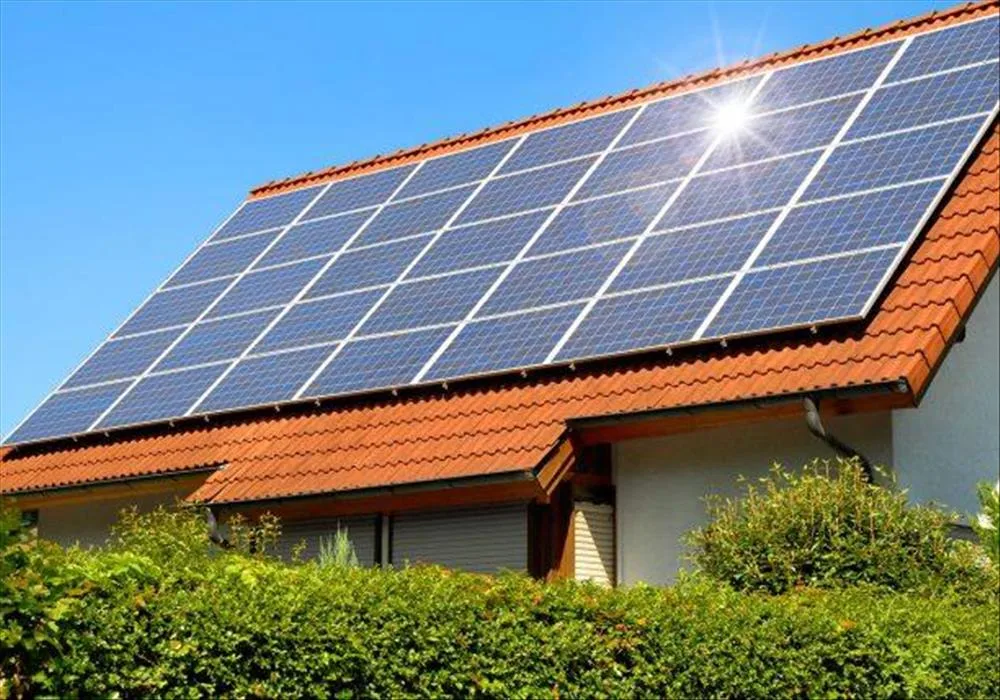
As 2024 draws to a close, the South African Photovoltaic Industry Association (SAPVIA) has commented that this has been a year of exceptional growth in the solar industry.
While load-shedding seem to be a distant memory, with over 250 days without scheduled outages, there are still regular power supply interruptions being experienced across the country and both private households and businesses are looking for stable and uninterrupted solutions still.
2024 was marked by steady growth, notable achievements, and key lessons, and according to SAPVIA, the year has set the stage for a brighter, greener future.
Growth Milestones 2024
By October this year, South Africa had added 961 MW of private-sector solar PV capacity, while the country’s total solar PV capacity surged to 8.97 GW, an 11.9% increase compared to 2023.

This includes 2.8 GW from public procurement programs like the Renewable Energy Independent Power Producer Procurement Programme (REIPPPP) and 6.1 GW from private-sector contributions.
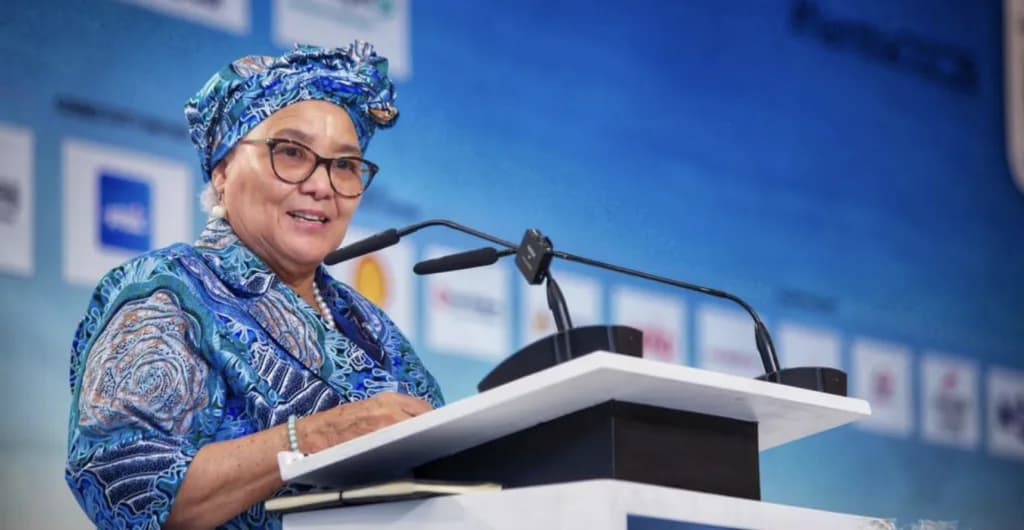
“With almost 500 MW of utility-scale projects under construction and 375 MW scheduled to come online in 2025, the future of solar in South Africa looks incredibly promising,” comments Dr Rethabile Melamu, the CEO of SAPVIA.
SAPVIA’s efforts in policy advocacy, such as its contributions to the Integrated Resource Plan (IRP) draft 2023 and ongoing engagements, have played a pivotal role in this growth. Initiatives like the South African Wholesale Electricity Market (SAWEM) advocacy have further paved the way for increased solar PV deployment across the Southern African State.
Economic impact and community contributions
The solar industry has become a significant economic driver by creating jobs and spearheading skills development initiatives. A standout example is SAPVIA’s partnership with the National Business Initiative (NBI) and Absa, which trained 100 installation companies to meet growing demand. “Members like SOLA have made significant strides in advancing private-sector renewable energy projects,” Melamu said.
Overcoming Challenges
While the industry celebrated successes, 2024 was not without obstacles.
“Regulatory delays, grid connection backlogs, and limited financing options for SMEs posed significant hurdles,” says Melamu.
SAPVIA responded by advocating for streamlined processes with the Department of Mineral Resources and Energy (DMRE) and the National Energy Regulator of South Africa (NERSA).
“We also launched a financing access initiative to connect SMEs with funding opportunities and foster partnerships with larger companies to share resources and expertise.”
Shaping the PV Future
“Looking ahead, SAPVIA predicts significant developments in the energy storage sector, with growing interest in solar-plus-storage systems to address intermittency issues,” Melamu says. “Additionally, microgrids will become increasingly popular, particularly in rural and remote areas where grid access remains limited. The adoption of rooftop solar for residential and commercial buildings will continue to grow as electricity prices rise and consumers seek ways to reduce dependence on the grid. SAPVIA is collaborating with stakeholders to develop a comprehensive grid upgrade plan that includes smart grids and energy storage integration to support renewable energy expansion.”
Solar Creating Energy Independence
This year, solar energy contributed significantly to South Africa’s 300 days of uninterrupted electricity, reducing reliance on fossil fuels and cutting carbon emissions.
“Solar PV systems supplied 5.2 TWh of energy, displacing approximately 4,260 tons of CO2. As we look ahead, solar energy will not only shape South Africa’s energy future but also position the country as a global leader in renewable energy innovation,” Melamu concluded.
Solar energy is not just about powering homes and businesses; it’s about shaping a sustainable future for all South Africans.