South Africa’s Road Death Crisis: A Business Perspective on Human and Financial Costs
South Africa faces one of the most severe road safety crises among middle-income countries. While it does not hold the absolute highest road death rate per capita globally, its figures remain alarmingly high. According to the latest available data from the Road Traffic Management Corporation (RTMC) and international comparisons, South Africa records between 17.9 and
South Africa’s Road Death Crisis: A Business Perspective on Human and Financial Costs
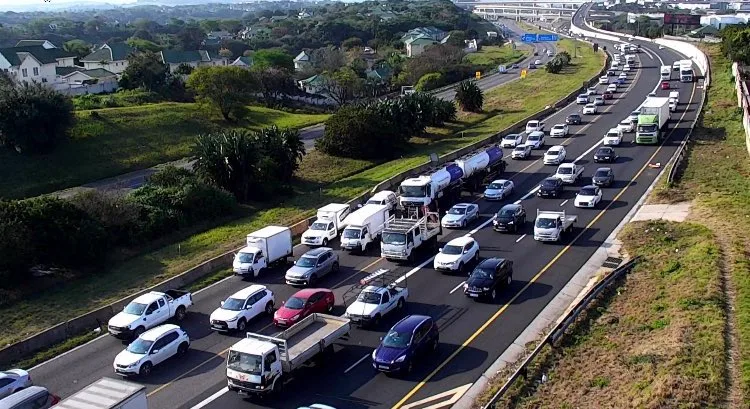
South Africa faces one of the most severe road safety crises among middle-income countries. While it does not hold the absolute highest road death rate per capita globally, its figures remain alarmingly high. According to the latest available data from the Road Traffic Management Corporation (RTMC) and international comparisons, South Africa records between 17.9 and 20.7 road fatalities per 100,000 population.
This places the country among the worst performers in its income bracket. Pedestrians account for approximately 44% of all road deaths, with alcohol involvement playing a significant role in both driver and pedestrian fatalities, particularly during night-time hours and festive periods. Reckless behaviour by minibus taxis, poor road infrastructure in many areas, speeding, and widespread disregard for traffic regulations compound the problem.
From a business perspective, this crisis is not merely a social or public health issue — it represents a substantial and growing operational, financial, and human capital risk. For companies operating in South Africa, especially SMEs with limited financial buffers, the impact manifests across staff wellbeing, fleet operations, and overall profitability.
Impact on Staff Wellbeing
Road deaths and serious injuries create profound psychological and emotional strain on employees. When colleagues, family members, or community members are killed or maimed on the roads, it triggers widespread anxiety, grief, and post-traumatic stress. In industries where staff commute daily or travel frequently for work (retail, logistics, sales, and field services), this constant background risk contributes to heightened stress levels and mental health challenges. Absenteeism rises as employees deal with personal losses or attend funerals. Presenteeism — where staff are physically at work but mentally disengaged, further erodes productivity. For many South African businesses, particularly in townships and rural areas, road trauma has become a silent drain on workforce morale and emotional resilience.
Impact on Drivers and Delivery Teams
Professional drivers, truck operators, and delivery personnel bear the brunt of the crisis. They face daily exposure to hazardous conditions: potholed roads, aggressive minibus taxis that ignore lane discipline and traffic signals, pedestrians crossing unexpectedly, and the ever-present risk of alcohol-impaired drivers. Long hours, tight delivery schedules, and pressure to meet targets often exacerbate fatigue and risk-taking behaviour.
The result is higher rates of accidents, injuries, and fatalities among this group. Businesses incur significant costs through medical expenses, temporary or permanent staff replacement, and the loss of institutional knowledge. For SMEs reliant on small delivery fleets, a single serious incident can disrupt operations for weeks and damage client relationships.
Impact on Profitability and Insurance Costs
The financial toll is substantial and often underestimated. Insurance premiums for vehicle fleets have been rising well above inflation in recent years, frequently in the 10–15% range annually, driven by high claim volumes, repair costs, and the increased value of modern vehicles.
Beyond premiums, businesses face direct costs from vehicle damage, downtime, legal liabilities, and workers’ compensation claims. Indirect costs include lost productivity, recruitment and training of replacement drivers, and reputational damage if company vehicles are involved in high-profile accidents. For SMEs operating on thin margins, these escalating costs can erode profitability, limit expansion plans, and in extreme cases threaten business viability. Larger corporates can absorb or pass on some of these expenses, but smaller enterprises often struggle to cope.
A Practical Response: Advanced Driver Safety Training
Businesses, and particularly SMEs, have a powerful and cost-effective tool at their disposal: advanced driver safety training. Rather than accepting South Africa’s dangerous roads as an inevitable reality, companies can proactively equip their drivers with the skills needed to navigate these conditions safely.
Advanced driver training programmes go well beyond basic learner’s licence instruction. Effective courses cover defensive driving techniques, hazard perception, emergency braking and evasive manoeuvres, night driving, handling poor road surfaces, managing fatigue, and understanding the dangers of alcohol-impaired road users. Many accredited providers in South Africa, offer tailored one- or two-day programmes, with refresher sessions recommended annually.
For SMEs, the implementation can start modestly. Prioritising training for high-mileage drivers and those operating company vehicles first. Many insurers are willing to offer meaningful premium discounts (typically 5–15%) for fleets or individuals who complete recognised safety courses and maintain clean records.
Some insurers even provide co-funding or reduced excess fees as incentives. Over time, businesses can extend training to staff who use their personal vehicles for work purposes, creating a broader culture of road safety.
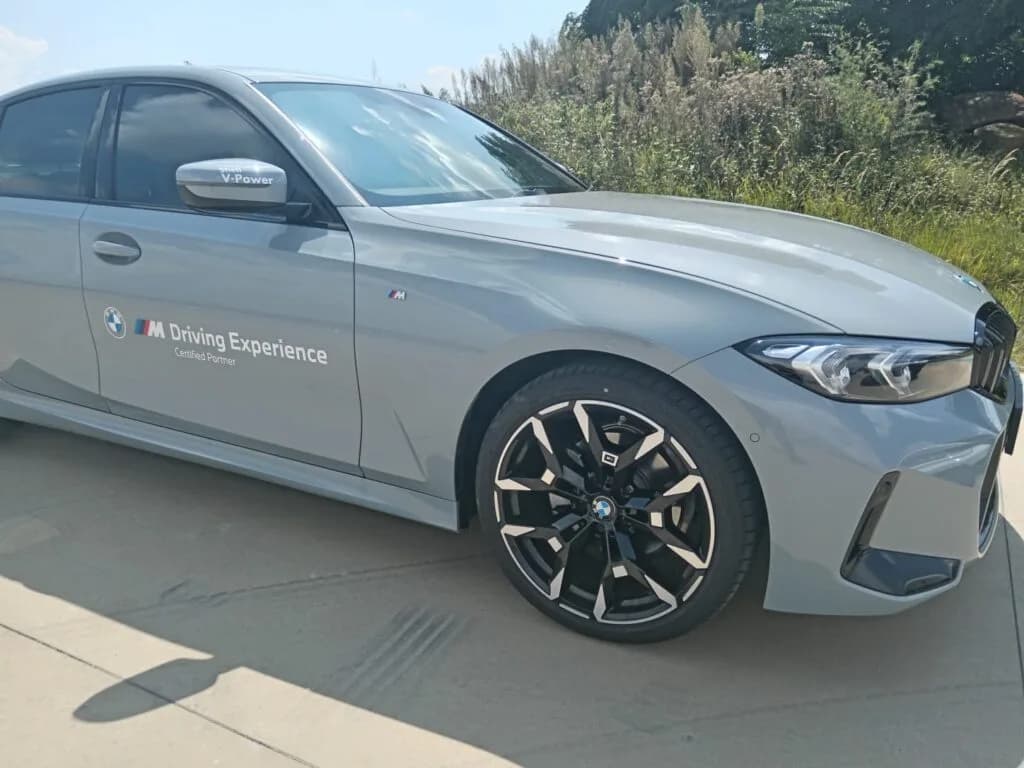
BMW Safety Driving Course Offers Practical Solutions to Business to Reduce Driver Incidents
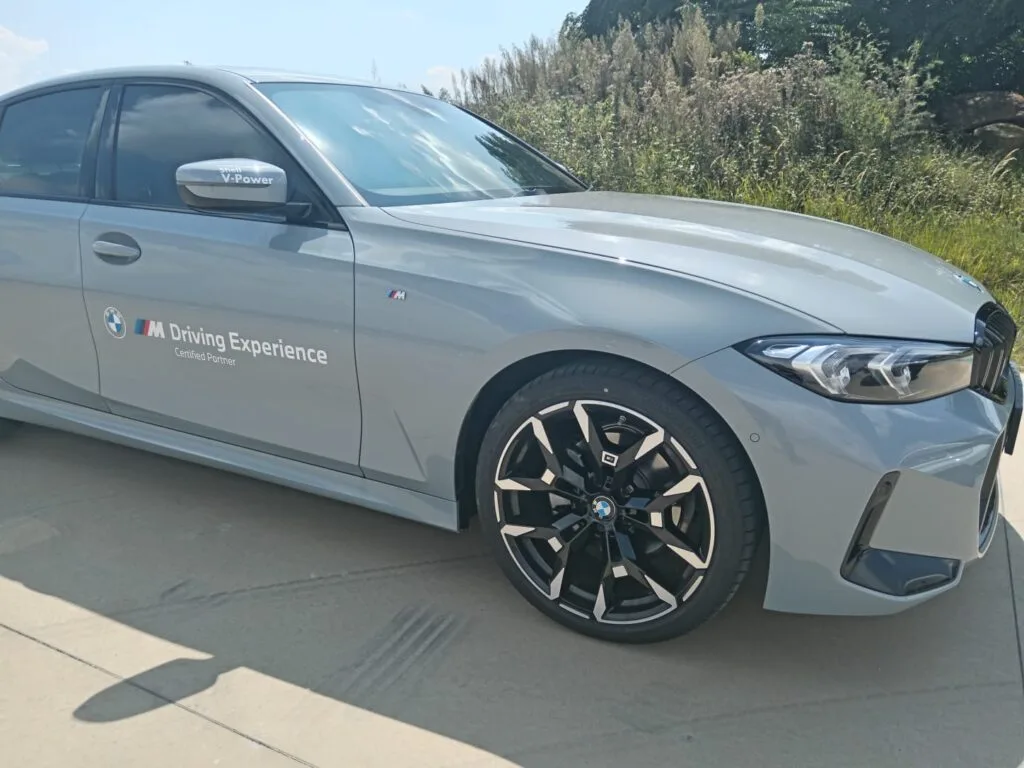
BMW South Africa offers a full-day Safety Course, that includes both practical and theoretical vehicle safety driving training. It incorporates collision avoidance, skid control and defensive driving skills that every driver can benefit from daily, not to mention the hijack prevention techniques and steps to follow in the event of the unexpected.
The BTA team was invited to participate in a full day of training and can genuinely recommend the training, with insightful and professional trainers providing you all the basics required for better and safer road travel.
Clear Return on Investment
The benefits are measurable. Well-trained drivers are significantly better equipped to anticipate and avoid the specific risks prevalent on South African roads — erratic taxis, pedestrians, potholes, and poor visibility. This leads to fewer accidents, lower insurance claims, and reduced vehicle repair costs. Fewer incidents also mean less downtime and greater operational reliability.
On the human side, reduced trauma translates into lower staff stress, better mental wellbeing, and improved retention rates. Over a 2–3 year period, many companies report net savings that far exceed the initial investment in training.
Moreover, investing in driver safety sends a powerful message to employees: their lives and wellbeing matter. It builds a stronger safety culture that can improve overall morale and even become a competitive advantage when recruiting talent in a tight labour market.
For SMEs, the numbers are particularly compelling. A small fleet spending R25,000–R40,000 annually on training for key drivers can realistically save R80,000–R200,000+ per year in combined insurance, repair, and operational costs. These savings compound over time as a stronger safety culture reduces risk exposure and improves insurer risk ratings.
Importantly, the human ROI is harder to quantify but equally significant: fewer fatalities and serious injuries mean less trauma for teams, lower stress-related absenteeism, and improved employee retention. In an environment where talent is scarce, demonstrating genuine care for driver safety becomes a powerful employer brand advantage.
Businesses that treat driver training as a strategic investment, rather than a compliance checkbox, consistently outperform peers in controlling one of their most volatile cost centres. In South Africa’s challenging road environment, advanced driver training is not a luxury; it is one of the most effective risk-mitigation and profit-protection tools available to both large corporates and resource-constrained SMEs.
Recommendations for SMEs
- Conduct a risk assessment of current fleet operations and driver profiles.
- Budget for annual advanced driver training as a non-negotiable operational expense, starting with critical roles.
- Partner with insurers early — many are keen to support proactive safety measures and may offer financial incentives.
- Track key metrics such as accident frequency, insurance claims, and staff absenteeism before and after training to quantify ROI.
- Extend the programme gradually to all staff who drive as part of their duties, including sales teams and field technicians.
South Africa’s road death crisis will not disappear overnight. However, businesses do not have to remain passive victims of the statistics. By treating advanced driver safety training as a strategic investment rather than a discretionary cost, companies — especially SMEs — can protect their people, reduce financial leakage, and build greater operational resilience.
In a challenging economic environment, where every rand counts, safer drivers are not just a moral imperative — they are a sound business decision that delivers both human and financial ret