South Africa's Monetary Policy Conundrum: Balancing Inflation Control and Economic Growth
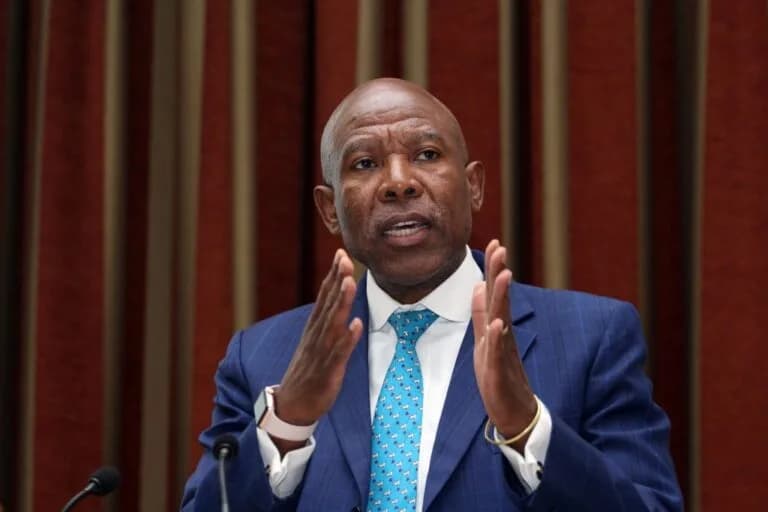
In January 2026, the South African Reserve Bank's (SARB) Monetary Policy Committee (MPC), led by Governor Lesetja Kganyago, opted to maintain the repo rate at 6.75%, with prime lending rates steady at 10.25%. This decision, marked by a split vote, underscores ongoing debates within the committee about the path forward. Kganyago cited a current inflation
Interest Rate Developments expected next week
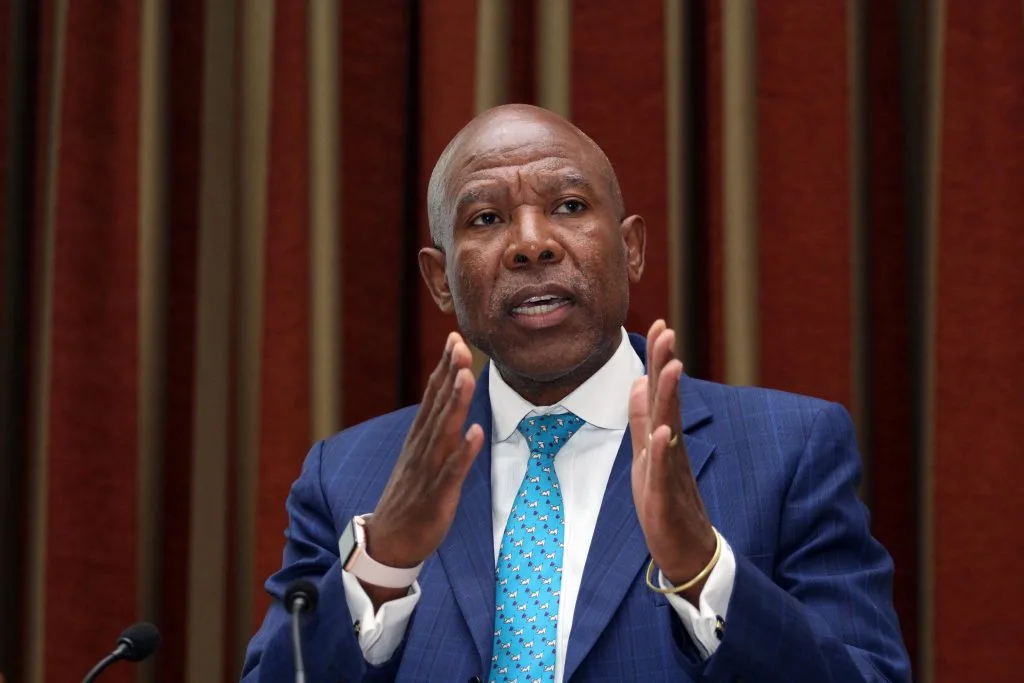
In January 2026, the South African Reserve Bank’s (SARB) Monetary Policy Committee (MPC), led by Governor Lesetja Kganyago, opted to maintain the repo rate at 6.75%, with prime lending rates steady at 10.25%. This decision, marked by a split vote, underscores ongoing debates within the committee about the path forward. Kganyago cited a current inflation rate of 3.6%, global uncertainties, and risks from food prices and electricity tariffs as pivotal factors. While this stance has helped stabilize the rand and reduce bond yields—easing the government’s substantial debt burden—it has drawn criticism for prolonging economic strain on businesses and consumers. High interest rates, critics argue, stifle growth without addressing structural issues like unemployment, which remains Africa’s highest. Yet, the SARB’s focus on anchoring inflation near its new 3% target reflects a cautious approach amid volatile international conditions.
We look at the historical interplay between the repo rate, inflation, and GDP growth over the past decade (2016–2025) below. This clearly highlights how earlier periods of elevated inflation coincided with relatively lower interest rates, contrasting with the recent era of tighter policy despite subdued price pressures, and explore Kganyago’s rationale for elevated rates and the likely trajectory ahead.
Historical Overview: Repo Rate, Inflation, and GDP Growth
Over the past decade, South Africa’s economic landscape has been shaped by global shocks, domestic challenges, and policy responses. The repo rate, SARB’s primary tool for influencing inflation and economic activity, has fluctuated in response to these dynamics. Data from sources like Trading Economics, Macrotrends, and the World Bank reveal patterns: early in the period, inflation often outpaced interest rates, contributing to currency volatility and economic instability. Post-2020, amid the COVID-19 recovery, rates rose sharply to combat resurgent inflation, even as growth remained anemic.
The table below summarizes annual data. Repo rates are year-end values, as these often reflect the prevailing policy stance; inflation is the annual average CPI change; and GDP growth is the real annual percentage change.
Sources: Repo rates compiled from SARB announcements and Global-Rates.com; inflation from Macrotrends and Stats SA; GDP growth from Macrotrends, Trading Economics, and IMF estimates.
From 2016 to 2019, inflation averaged around 5%, often exceeding the repo rate in effective terms when adjusted for real rates. For instance, in 2016, inflation hit 6.6% while the repo rate ended at 7%, but earlier in the year, it was lower, allowing inflationary pressures to build. This period saw modest GDP growth, averaging 1%, hampered by structural issues like energy shortages and corruption scandals under former President Jacob Zuma. The SARB’s relatively accommodative stance aimed to support recovery from the global financial crisis aftermath, but it contributed to rand depreciation and imported inflation.
The 2020 pandemic marked a turning point. GDP contracted by 6.2%, the worst since the Great Depression , which prompted aggressive rate cuts to 3.5%, the lowest on record. Inflation dipped to 3.2%, aided by lockdowns and oil price collapses. However, this low-rate environment sowed seeds for later inflation spikes as global supply chains disrupted and commodity prices surged in 2021–2022.
By 2022, inflation peaked at 7%, driven by Russia’s invasion of Ukraine, food shortages, and energy crises. The SARB hiked rates aggressively to 7%, then 8.25% in 2023, outpacing inflation to restore credibility. Growth, however, suffered with a post-rebound of 4.9% in 2021, but slowing to 2.1% in 2022 and below 1% thereafter. In 2024–2025, as inflation eased to 3.2%, the lowest level in 21 years, the repo rate remained elevated relative to earlier decades, averaging over 7% despite subdued prices. This inversion of lower inflation with higher rates indicated a shift toward preemptive tightening.
Analysing the Patterns: From Lax to Hawkish Policy
The data illustrates a clear evolution in SARB’s strategy. In the mid-2010s, higher inflation (often 5–6%) coexisted with lower repo rates (around 6–7%), partly because the bank targeted a 3–6% inflation band, allowing some flexibility for growth. This approach, however, failed to fully anchor expectations, leading to volatile currency movements and persistent high unemployment (averaging 27% over the decade).
Post-2020, Kganyago’s MPC adopted a more hawkish posture, influenced by global central banks like the Federal Reserve. Even as inflation fell below 4% in 2024–2025, rates stayed above 6.75%, creating positive real interest rates (repo minus inflation) of about 3–4%. This contrasts sharply with 2016–2019, where real rates were often near zero or negative, fuelling asset bubbles and debt accumulation. The policy shift stabilised the rand, reducing bond yields from peaks above 10% in 2023 to around 9% by late 2025, easing fiscal pressures on a debt-to-GDP ratio exceeding 70%.
Yet, this has come at a cost. GDP growth averaged just 0.7% from 2023–2025, far below the 2–3% needed to dent a 35% unemployment rate. High rates have increased borrowing costs, squeezing consumer spending (70% of GDP) and business investment. Exports, denominated in dollars, become less competitive as a stronger rand diminishes returns, exacerbating trade deficits. While inflation targeting has “stabilised” the economy and currency, it hasn’t ignited growth or job creation.
Kganyago’s Rationale: Caution in an Uncertain World
Governor Kganyago’s insistence on elevated interest rates stems from a multifaceted rationale, rooted in SARB’s mandate to ensure price stability while supporting balanced growth. First, he emphasises balanced risks to inflation. Despite averaging 3.2% in 2025, upside pressures persisted with food inflation from droughts and diseases like foot-and-mouth, electricity hikes from NERSA’s tariff corrections (potentially R76 billion), and administered prices (e.g., fuel levies). Kganyago has repeatedly warned that premature cuts could unanchor expectations, which have only recently fallen to record lows.
Second, global uncertainties loom large. Geopolitical tensions are escalating with U.S. – China trade wars, Middle East conflicts that could see a spike oil prices as seen this week, or disruptions in supply chains as seen in 2025, importing inflation pressure. South Africa’s risk premium, elevated by fiscal deficits and energy challenges, demands higher rates to attract capital and defend the rand. Kganyago highlighted this in 2025 speeches, noting that without tight policy, bond yields could rise, worsening debt servicing (already 20% of budget).
Third, structural reforms are lacking. Kganyago argues that monetary policy can’t fix load-shedding, logistics bottlenecks, or corruption; these require government action. By keeping rates high, SARB pressures fiscal discipline, indirectly supporting growth via lower yields. Critics, however, see this as overly conservative, especially with inflation now below the old 4.5% midpoint target. Split MPC decisions in 2025–2026 indicate internal dissent, with some favouring cuts to stimulate activity.
Commenting on the decision, Garth Rossiter, Chief Risk Officer at Lula comments: “An unchanged interest rate decision highlights that uncertainty remains a defining feature of the SME operating environment.” “While stability helps with planning, it does little to alleviate the ongoing pressures businesses face. In this context, flexibility becomes more important than the headline rate itself. SMEs need funding structures that can respond to changes in cash flow and trading conditions, allowing them to remain agile, whether they are navigating short-term strain or responding to new opportunities.” Rossiter, concludes.
The Trajectory Ahead: Gradual Easing Amid Headwinds
Looking forward, the SARB’s Quarterly Projection Model suggests gradual rate cuts as inflation trends toward 3%. Forecasts peg 2026 inflation at 3.5%, with GDP growth at 1.4%, unchanged from prior projections but still lacklustre for Africa’s largest economy. If global risks subside (e.g., softer U.S. policy), cuts could accelerate, potentially dropping the repo to 6% by 2027. However, persistent electricity pricing and supply issues or rand weakness could delay this.
The “play” here is clear: Kganyago prioritizes credibility over short-term relief, betting that low inflation will eventually foster sustainable growth. Yet, without bolder reforms such as energy liberalisation, infrastructure investment, high rates may perpetuate stagnation. For businesses and consumers, relief hinges on proving inflation’s defeat, but the decade’s data warns: stability alone isn’t prosperity.
South Africa’s monetary policy reflects a delicate balance. Kganyago’s hawkishness has tamed inflation but at growth’s expense. As 2026 unfolds, the MPC’s splits may deepen, testing whether caution yields dividends or merely prolongs the drag.